
Contents
- 📜 What is Al-Andalus?
- 📍 Where to Experience the Legacy
- 🏛️ Key Historical Sites & Monuments
- ✨ Cultural Highlights & Innovations
- ⚔️ Conflicts & Coexistence: A Complex History
- 📚 Scholarly & Artistic Contributions
- 🕌 Religious Diversity & Interaction
- 💰 Economic Powerhouse: Trade & Agriculture
- 💔 The Reconquista & Its Aftermath
- 💡 Understanding the Vibe: A Multifaceted Legacy
- 🗺️ Navigating the Historical Landscape
- 🚀 The Enduring Influence of Al-Andalus
- Frequently Asked Questions
- Related Topics
Overview
Al-Andalus, the Muslim-ruled territory of the Iberian Peninsula from 711 to 1492, wasn't just a historical period; it was a vibrant civilization that profoundly shaped Spain, Portugal, and North Africa. It represents a unique epoch of Islamic intellectual flourishing transplanted to Europe, characterized by remarkable advancements in science, philosophy, art, and architecture. For anyone interested in the deep roots of European culture and the complex interplay of civilizations, understanding Al-Andalus is essential. It’s a story of conquest, sophisticated governance, and a rich cultural synthesis that continues to resonate today.
📍 Where to Experience the Legacy
While the political entity of Al-Andalus is long gone, its physical and cultural echoes are most palpable in modern-day Spain and Portugal. Key cities like Córdoba, Seville, and Granada in Spain, and to a lesser extent Lisbon in Portugal, offer tangible links to this era. Visiting these locations allows for an immersive experience, walking through ancient streets and marveling at structures that have stood for centuries. These sites are not mere ruins but living testaments to a sophisticated society that once thrived.
🏛️ Key Historical Sites & Monuments
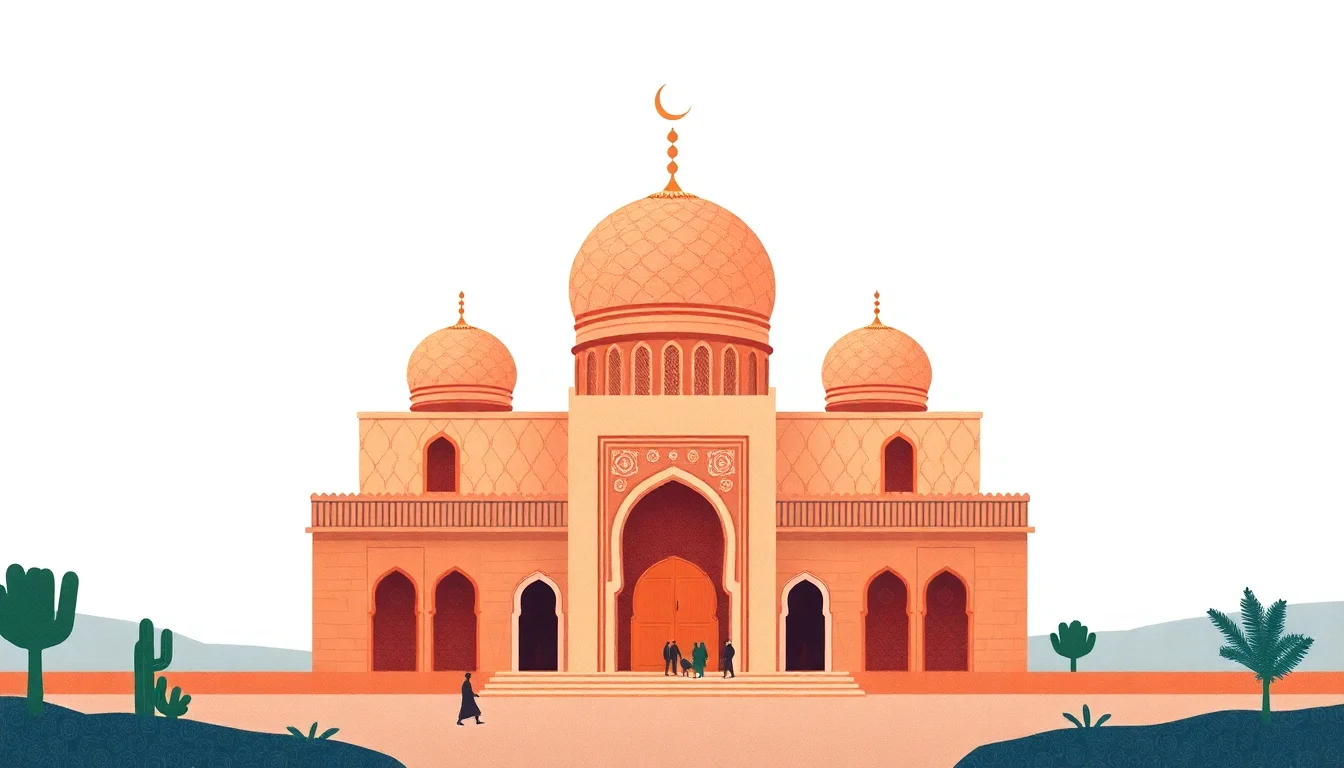
The architectural legacy of Al-Andalus is breathtaking. The Mezquita-Cathedral of Córdoba, originally a grand mosque, exemplifies the fusion of Islamic and later Christian styles. Granada's Alhambra, a palace and fortress complex, is perhaps the zenith of Nasrid art, showcasing intricate stucco work, stunning tile mosaics, and serene courtyards. Seville's Alcázar of Seville, with its Mudéjar architecture, demonstrates the lasting influence of Andalusi craftsmanship even after the Christian reconquest. These monuments are not just tourist attractions; they are portals to the past.
✨ Cultural Highlights & Innovations
Beyond architecture, Al-Andalus was a crucible of cultural innovation. It introduced advanced irrigation techniques that transformed Iberian agriculture, leading to new crops like oranges, lemons, and rice. In music, the Ziryab's innovations in stringed instruments and musical theory laid foundations for later European musical traditions. The concept of the public library, a sophisticated administrative system, and advancements in cartography and astronomy all flourished under its rule. This was a society that valued knowledge and artistic expression.
⚔️ Conflicts & Coexistence: A Complex History
The history of Al-Andalus is inseparable from the narrative of the Reconquista, the centuries-long Christian reconquest of the peninsula. This period was marked by both intense conflict and remarkable periods of coexistence, known as convivencia. While often portrayed as a constant struggle, there were also times when Muslims, Christians, and Jews lived in relative peace, contributing to a shared cultural milieu. Understanding this dynamic is crucial to grasping the complexities of Iberian history and the formation of its modern identity.
📚 Scholarly & Artistic Contributions
Andalusi scholars were pivotal in preserving and transmitting classical knowledge to medieval Europe, particularly through translations of Greek philosophical and scientific texts into Arabic. Figures like Averroes (Ibn Rushd), whose commentaries on Aristotle profoundly influenced Western thought, and Maimonides (Moses ben Maimon), a leading Jewish philosopher and physician, were products of this intellectual environment. The University of Córdoba was a renowned center of learning, attracting scholars from across the known world.
🕌 Religious Diversity & Interaction
While Islam was the dominant religion, Al-Andalus was characterized by a complex relationship with its Christian and Jewish populations. For much of its history, these communities, known as dhimmis, were granted protected status, allowing them to practice their faiths, albeit with certain restrictions and taxes. This religious pluralism, though not without its tensions and periods of persecution, fostered a unique cultural environment where ideas and traditions could intermingle, contributing to the rich intellectual output of the era.
💰 Economic Powerhouse: Trade & Agriculture
Al-Andalus was a major economic hub connecting the Mediterranean and Atlantic worlds. Its sophisticated agricultural practices, including the introduction of new crops and advanced irrigation systems like the acequia, led to increased food production and prosperity. Trade flourished, with Andalusi merchants exporting goods like textiles, leather, and metalwork, and importing spices, precious metals, and other luxury items. Cities like Almería became vital port cities, facilitating this extensive commercial network.
💔 The Reconquista & Its Aftermath
The fall of Granada in 1492 marked the end of Muslim rule in Iberia and the conclusion of the Reconquista. This event had profound consequences, leading to the expulsion or forced conversion of many Muslims and Jews, and fundamentally altering the religious and cultural landscape of the peninsula. The subsequent centuries saw a deliberate erasure or reinterpretation of the Andalusi legacy in some quarters, making the study of this period a continuous process of rediscovery and re-evaluation.
💡 Understanding the Vibe: A Multifaceted Legacy
The 'vibe' of Al-Andalus is one of sophisticated cosmopolitanism, intellectual dynamism, and a unique blend of cultures. It’s a legacy that defies simple categorization, encompassing both periods of enlightened tolerance and episodes of intolerance. The enduring appeal lies in its demonstration of how diverse peoples could create a flourishing civilization, leaving behind a material and intellectual heritage that continues to inspire awe and scholarly debate. Its cultural energy score, a Vibepedia metric, would likely fluctuate significantly across its history, but consistently register high during its peak periods.
🚀 The Enduring Influence of Al-Andalus
The influence of Al-Andalus extends far beyond the Iberian Peninsula. Its scientific and philosophical texts, transmitted through translations, were instrumental in sparking the Renaissance in Europe. Andalusi artistic motifs and architectural styles can be traced in regions as far-flung as Sicily and North Africa. The very concept of a pluralistic society, however imperfectly realized, offers enduring lessons for contemporary global interactions. The ongoing scholarly interest and the continued fascination with its material remains underscore its persistent cultural power.
Key Facts
- Year
- 711-1492
- Origin
- Umayyad conquest of Hispania
- Category
- History & Culture
- Type
- Historical Region/Civilization
Frequently Asked Questions
What were the main periods of Al-Andalus?
Al-Andalus can be broadly divided into several key periods: the initial conquest and establishment (early 8th century), the Emirate of Córdoba (756-929), the Caliphate of Córdoba (929-1031), the Taifa kingdoms (11th century), the Almoravid and Almohad empires (11th-13th centuries), and the Nasrid Kingdom of Granada (13th-15th centuries). Each period had distinct political structures and cultural characteristics.
Was Al-Andalus a single, unified state?
No, Al-Andalus was rarely a single, unified state for its entire duration. While the Caliphate of Córdoba represented a peak of centralized power, much of its history was characterized by fragmentation into smaller kingdoms (Taifas) or rule by successive North African dynasties (Almoravids, Almohads). This political fragmentation significantly influenced its cultural and military trajectory.
What is 'convivencia' and how accurate is the term?
'Convivencia' refers to the periods of coexistence and interaction between Muslims, Christians, and Jews in medieval Iberia. While it highlights instances of cultural exchange and relative tolerance, its extent and nature are heavily debated by historians. Some argue it was an idealized concept, while others emphasize its reality during specific historical moments and regions.
What are the most important surviving architectural sites?
The most iconic sites include the Mezquita-Cathedral of Córdoba, the Alhambra in Granada, and the Alcázar of Seville. Other significant examples include the Giralda in Seville (originally a minaret), the Aljafería Palace in Zaragoza, and various Roman bridges and fortifications adapted during the Andalusi period.
What scientific advancements came from Al-Andalus?
Andalusi scholars made significant contributions to astronomy, mathematics, medicine, botany, and pharmacology. They preserved and expanded upon classical knowledge, introduced new scientific instruments, and developed sophisticated medical practices. Figures like Averroes and Ibn al-Baytar were highly influential.
How did Al-Andalus influence modern Spanish and Portuguese culture?
The influence is pervasive, seen in language (thousands of Spanish and Portuguese words have Arabic origins), cuisine, music, architecture, agricultural techniques, and legal traditions. The very identity of the Iberian Peninsula is deeply intertwined with its centuries of Muslim rule and the subsequent cultural synthesis.