
Contents
Overview
The story of the boysenberry begins not with a grand plan, but with a series of horticultural gambles and a bit of luck. In the early 1920s, Walter Knott, a farmer, was experimenting with various berry cultivars, seeking to improve upon existing varieties. He obtained cuttings of a berry developed by Rudolph Boysen, a horticulturalist from Napa Valley, who had himself created a complex hybrid. Knott acquired these promising but fragile plants, which were notoriously difficult to grow and transport. He painstakingly nurtured them, facing numerous setbacks, including plants succumbing to disease and pests. It wasn't until later that Knott achieved a stable, commercially viable crop, and began selling his "Boysenberries" at his roadside stand, which would eventually evolve into the famous Knott's Berry Farm theme park and food products company.
⚙️ How It Works
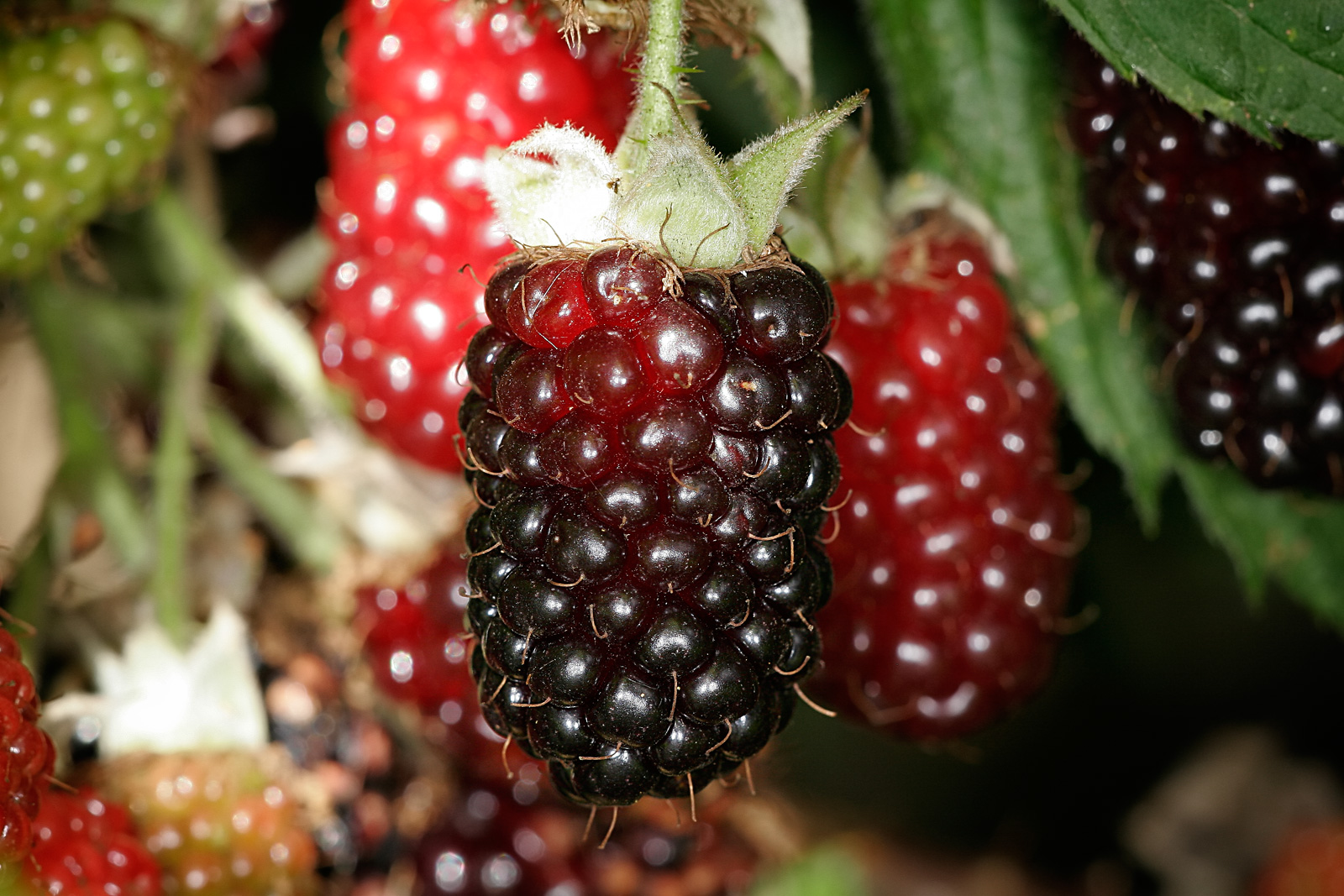
The boysenberry's genetic makeup is a testament to deliberate, albeit somewhat accidental, crossbreeding. It is a tetraploid hybrid, meaning it possesses four sets of chromosomes, contributing to its unique traits. This complex lineage results in a berry that is larger than a raspberry but softer and more delicate than a typical blackberry, with a distinctive deep red to purplish-black hue. The drupelets (individual segments of the berry) are large and juicy, and the berry itself has a relatively short shelf life due to its soft texture, making it challenging to ship long distances without damage. This fragility is a key factor in its cultivation and commercialization history, necessitating local markets or processing into preserves.
📊 Key Facts & Numbers
The boysenberry's journey from a difficult-to-grow experiment to a recognized flavor profile is marked by specific milestones and numbers. Walter Knott's initial cultivation efforts were on a small scale, but the popularity of his boysenberry jam became a significant revenue driver. While precise global production figures are scarce due to its niche status, California remains a primary growing region, with smaller operations in other parts of the United States and countries like New Zealand. The boysenberry's unique flavor profile is often described as a blend of raspberry sweetness with blackberry tartness, making it a sought-after ingredient for jams, pies, and ice cream, where its delicate structure can be preserved.
👥 Key People & Organizations
The history of the boysenberry is inextricably linked to two key figures and one iconic organization. Rudolph Boysen, a horticulturalist from Napa Valley, is credited with the original crossbreeding that produced the berry, though his own commercial success with it was limited. It was Walter Knott, a farmer, who recognized the potential of Boysen's hybrid and dedicated himself to its cultivation. Knott's persistence in the face of adversity, particularly his success in propagating and marketing the berry, led to its widespread recognition. The organization most synonymous with the boysenberry is Knott's Berry Farm, which began as Walter Knott's roadside berry stand and grew into a major theme park and food producer, with boysenberry products forming the cornerstone of its early identity and brand.
🌍 Cultural Impact & Influence
The boysenberry's cultural impact, while not as pervasive as that of strawberries or blueberries, is significant within its sphere. Its association with Knott's Berry Farm cemented its place in American popular culture, particularly in Southern California, where the "Boysenberry Pie" became a signature dessert. The success of Knott's jam and other boysenberry-flavored products demonstrated the commercial viability of niche fruits and influenced the development of artisanal food markets. Beyond its direct consumption, the boysenberry's story serves as an enduring example of agricultural innovation and the rewards of perseverance, inspiring other growers and food entrepreneurs. Its unique flavor profile has also found its way into various culinary trends, from craft beers to gourmet desserts, showcasing its adaptability and enduring appeal.
⚡ Current State & Latest Developments
In the current market, the boysenberry continues to occupy a distinct, albeit specialized, niche. While not a high-volume commodity like its more common berry cousins, it maintains a dedicated following. Cultivation remains concentrated in regions with suitable climates, primarily California and parts of the Pacific Northwest, with ongoing efforts by growers to improve disease resistance and yield. The demand for boysenberry products, particularly jams and baked goods, remains steady, driven by nostalgia and a preference for its distinctive flavor. Recent years have seen a resurgence of interest in heritage and unique fruit varieties, which bodes well for the boysenberry's continued relevance. However, its inherent fragility still presents challenges for widespread distribution, keeping it largely a regional specialty or a processed product.
🤔 Controversies & Debates
The primary controversy surrounding the boysenberry revolves around its very origin and naming. While Walter Knott is widely credited with popularizing and commercializing the berry, he acquired the plants from Rudolph Boysen, who had developed the original hybrid. Some historical accounts suggest a degree of ambiguity regarding the exact extent of Boysen's contribution versus Knott's subsequent cultivation and propagation efforts. Furthermore, the boysenberry's delicate nature has always been a point of contention for commercial growers, leading to debates about its practicality and profitability compared to hardier berry varieties. The limited shelf life and susceptibility to pests and diseases have made it a challenging crop, leading some to question whether its unique flavor justifies the intensive cultivation required.
🔮 Future Outlook & Predictions
The future of the boysenberry likely lies in continued niche cultivation and value-added products. Advances in agricultural technology, such as improved grafting techniques and disease-resistant breeding programs, could mitigate some of its cultivation challenges. There's also potential for increased demand from the craft food and beverage industry, which actively seeks unique flavor profiles. However, the boysenberry is unlikely to ever rival the production volumes of strawberries or blueberries due to its inherent fragility and specialized growing requirements. Its future success hinges on maintaining its distinct identity and appealing to consumers who value its unique taste and the story of its development, potentially through expanded direct-to-consumer sales and artisanal food markets. The ongoing exploration of new hybrid varieties could also see the boysenberry's genetic lineage contributing to future berry innovations.
💡 Practical Applications
The boysenberry's most prominent practical application is in the food industry, particularly for preserves and baked goods. Its sweet-tart flavor and juicy texture make it ideal for boysenberry jam, a signature product of Knott's Berry Farm, which has been a bestseller for decades. It is also widely used in pies, tarts, cobblers, and muffins, where its unique flavor can shine. Beyond traditional uses, boysenberries are increasingly featured in gourmet ice creams, sorbets, and even craft beverages, including beers and liqueurs. Their distinctive taste profile lends itself well to culinary experimentation, offering a complex fruit note that differs from more common berries. Due to their delicate nature, fresh boysenberries are typically sold through local farmers' markets or specialty produce distributors, rather than large supermarket chains.
Key Facts
- Category
- culture
- Type
- topic