
Contents
- 📻 Introduction to Podcasts
- 🎙️ History of Podcasting
- 📊 Types of Podcasts
- 📈 Popularity and Trends
- 📹 Video Podcasts
- 🎧 Audio-Only Experience
- 📊 Monetization and Revenue
- 📚 Creating a Podcast
- 📢 Promoting a Podcast
- 📊 Measuring Success
- 🤝 Community and Engagement
- 📚 Resources and Tools
- Frequently Asked Questions
- Related Topics
Overview
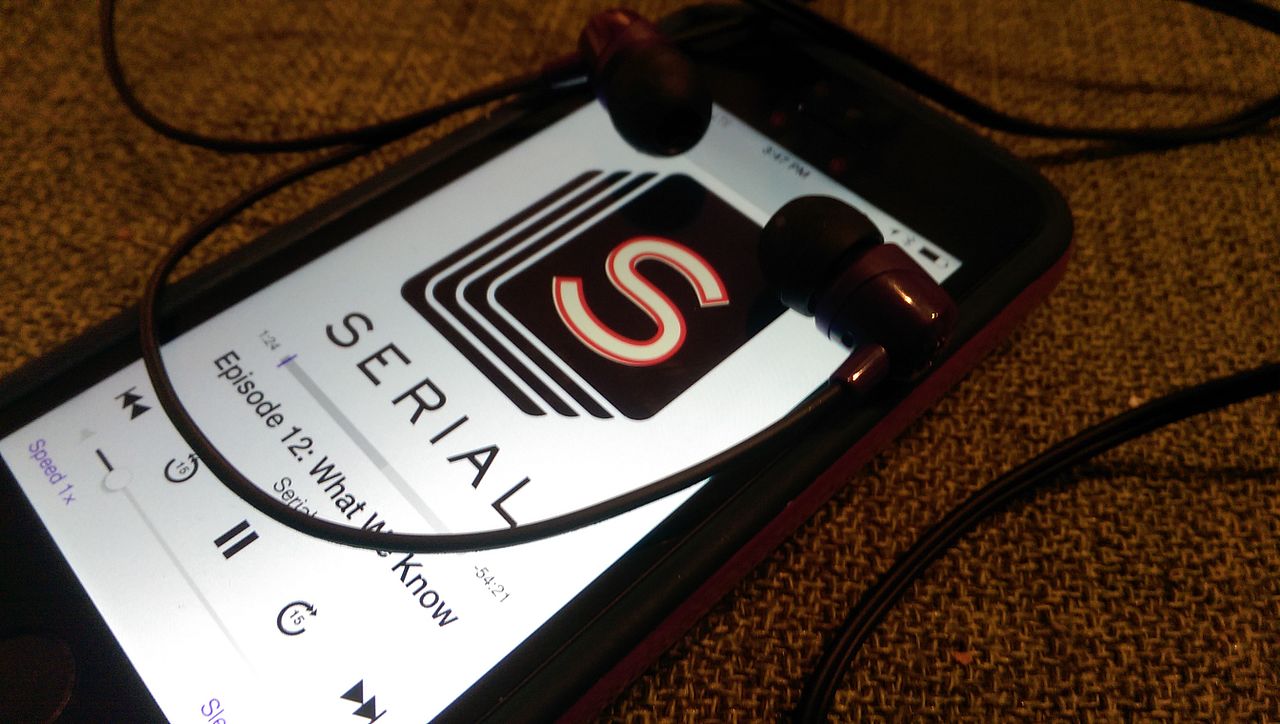
Podcasts have revolutionized the way we consume audio content, with over 800,000 active shows and more than 30 million episodes available as of 2022. The medium has given rise to a new generation of audio creators, from true crime enthusiasts like Sarah Koenig, host of Serial, to comedy legends like Joe Rogan, who has become one of the most popular podcasters with over 20 million monthly listeners. With the advent of platforms like Apple Podcasts, Spotify, and Google Podcasts, discovering and accessing podcasts has become easier than ever. However, the surge in popularity has also raised concerns about monetization, diversity, and the role of podcasts in shaping public opinion. As the medium continues to evolve, it's essential to examine the influence flows between podcasts, social media, and traditional media. With a vibe rating of 8, podcasts have become an integral part of modern entertainment and information consumption, with notable entities like The New York Times, NPR, and BBC producing high-quality content, and influencers like Tim Ferriss and Gary Vaynerchuk using podcasts to build their personal brands and connect with their audiences.
📻 Introduction to Podcasts
Podcasts are a type of digital media that have gained immense popularity over the years. As defined by Digital Media experts, a podcast is a program episode made available in digital format for download over the Internet. With the rise of Streaming Services like Spotify and Apple Podcasts, it's easier than ever to access and listen to podcasts. Whether you're a fan of True Crime stories or prefer Educational Podcasts, there's something for everyone in the world of podcasting.
🎙️ History of Podcasting
The term 'podcast' was coined in 2004, derived from the words 'iPod' and 'broadcast'. As noted by History of Podcasting enthusiasts, this marked the beginning of a new era in digital audio content. Over the years, podcasts have evolved to include various formats, such as Interview-Style and Narrative Podcasts. With the help of Podcasting Platforms like Anchor and Buzzsprout, creators can easily produce and distribute their content to a global audience.
📊 Types of Podcasts
There are several types of podcasts, catering to different interests and demographics. Comedy Podcasts are a popular genre, often featuring humorous discussions and interviews. On the other hand, News Podcasts provide listeners with up-to-date information on current events. As discussed by Podcast Experts, the diversity of podcast topics is a key factor in their widespread appeal. Whether you're interested in Sports Podcasts or Music Podcasts, there's a podcast out there for you.
📈 Popularity and Trends
In recent years, podcasts have experienced a significant surge in popularity. According to a report by Bloomberg, over a billion people watch podcasts on video platforms like YouTube every month. This shift towards video content has led to the rise of Video Podcasts, which often feature visual elements to enhance the listening experience. As noted by Industry Insiders, this trend is expected to continue, with more creators experimenting with video content. For example, popular podcasts like My Favorite Murder and How I Built This have successfully incorporated video elements into their episodes.
📹 Video Podcasts
However, the increasing popularity of video podcasts has also raised concerns about the audio-only experience. As discussed by Audio Engineers, when visual elements are prioritized, the audio quality can suffer. This can be a problem for listeners who prefer to consume podcasts solely through audio. To address this issue, podcasters can use Audio Editing Software like Audacity or Adobe Audition to ensure that their audio content is optimized for listeners. Additionally, platforms like Spotify and Apple Podcasts provide features like audio-only mode to enhance the listening experience.
🎧 Audio-Only Experience
The audio-only experience is still a crucial aspect of podcasting. As noted by Podcast Enthusiasts, the intimacy and portability of audio content are key factors in its appeal. With the help of Podcast Apps like Overcast and Pocket Casts, listeners can easily discover and enjoy their favorite podcasts on-the-go. Moreover, podcasts like Radiolab and This American Life have mastered the art of storytelling through audio, creating immersive experiences for their listeners.
📊 Monetization and Revenue
Monetization is a crucial aspect of podcasting, with creators seeking to generate revenue from their content. As discussed by Podcast Monetization experts, there are several ways to earn money from podcasts, including Sponsorships, Advertising, and Patronage. Platforms like Patreon and Ko-fi provide tools for creators to receive support from their listeners. Additionally, podcasts can use Affiliate Marketing to promote products or services and earn a commission.
📚 Creating a Podcast
Creating a podcast requires a combination of technical skills and creative vision. As noted by Podcast Creation experts, it's essential to define your target audience and develop a unique concept for your podcast. With the help of Podcasting Equipment like microphones and headphones, creators can produce high-quality audio content. Moreover, platforms like Anchor and Buzzsprout provide easy-to-use interfaces for hosting and distributing podcasts.
📢 Promoting a Podcast
Promoting a podcast is crucial to attracting and retaining listeners. As discussed by Podcast Marketing experts, social media platforms like Twitter and Instagram can be effective tools for promoting your podcast. Additionally, collaborating with other podcasters or Influencers can help expand your audience. For example, podcasts like The Daily and How I Built This have successfully used social media to engage with their listeners and promote their episodes.
📊 Measuring Success
Measuring the success of a podcast can be challenging, but there are several metrics to consider. As noted by Podcast Analytics experts, metrics like Downloads, Subscriptions, and Engagement can provide valuable insights into your podcast's performance. Platforms like Apple Podcasts and Spotify provide analytics tools to help creators track their progress. Moreover, podcasts can use Surveys and Feedback to gather information from their listeners and improve their content.
🤝 Community and Engagement
Building a community around your podcast is essential for its long-term success. As discussed by Podcast Community experts, engaging with your listeners through social media or Comment Sections can help foster a sense of belonging and loyalty. Moreover, collaborating with other podcasters or Content Creators can help expand your audience and create new opportunities. For example, podcasts like My Favorite Murder and Last Podcast on the Left have built large and dedicated communities around their shows.
📚 Resources and Tools
For those looking to get started with podcasts, there are numerous resources available. As noted by Podcasting Resources experts, online courses and tutorials can provide valuable guidance on podcast creation and promotion. Additionally, Podcasting Communities like Facebook groups and Reddit forums can connect you with other podcasters and provide support and feedback. Moreover, podcasts like The Podcaster's Studio and Podcast Insights offer tips and advice on podcasting and audio production.
Key Facts
- Year
- 2004
- Origin
- USA
- Category
- Digital Media
- Type
- Digital Media Format
Frequently Asked Questions
What is a podcast?
A podcast is a program episode made available in digital format for download over the Internet. It is primarily an audio medium, but can also include video content. As discussed by Digital Media experts, podcasts have become a popular form of entertainment and education, with millions of episodes available across various platforms.
How do I create a podcast?
Creating a podcast requires a combination of technical skills and creative vision. As noted by Podcast Creation experts, it's essential to define your target audience and develop a unique concept for your podcast. With the help of Podcasting Equipment like microphones and headphones, creators can produce high-quality audio content. Moreover, platforms like Anchor and Buzzsprout provide easy-to-use interfaces for hosting and distributing podcasts.
How do I promote my podcast?
Promoting a podcast is crucial to attracting and retaining listeners. As discussed by Podcast Marketing experts, social media platforms like Twitter and Instagram can be effective tools for promoting your podcast. Additionally, collaborating with other podcasters or Influencers can help expand your audience. For example, podcasts like The Daily and How I Built This have successfully used social media to engage with their listeners and promote their episodes.
How do I measure the success of my podcast?
Measuring the success of a podcast can be challenging, but there are several metrics to consider. As noted by Podcast Analytics experts, metrics like Downloads, Subscriptions, and Engagement can provide valuable insights into your podcast's performance. Platforms like Apple Podcasts and Spotify provide analytics tools to help creators track their progress. Moreover, podcasts can use Surveys and Feedback to gather information from their listeners and improve their content.
What are some popular podcast genres?
There are several popular podcast genres, including True Crime, Comedy Podcasts, News Podcasts, and Educational Podcasts. As discussed by Podcast Experts, the diversity of podcast topics is a key factor in their widespread appeal. Whether you're interested in Sports Podcasts or Music Podcasts, there's a podcast out there for you.
How do I get started with listening to podcasts?
Getting started with listening to podcasts is easy. As noted by Podcast Beginners guides, you can start by searching for podcasts on platforms like Apple Podcasts or Spotify. You can also ask friends or family members for recommendations, or explore online communities like Reddit to discover new podcasts. Moreover, podcasts like The Podcaster's Studio and Podcast Insights offer tips and advice on podcasting and audio production.
Can I create a video podcast?
Yes, you can create a video podcast. As discussed by Video Podcasts experts, video podcasts can be a great way to enhance the listening experience and provide visual elements to your audience. However, it's essential to consider the audio-only experience and ensure that your video content is optimized for listeners who prefer to consume podcasts solely through audio. For example, podcasts like My Favorite Murder and How I Built This have successfully incorporated video elements into their episodes.