
Contents
- 🎈 What Exactly is Bloating?
- 🤔 Who Experiences This Uninvited Guest?
- 📅 When Does Bloating Strike?
- 🔍 The Usual Suspects: Causes & Triggers
- 💡 Navigating the Discomfort: Self-Care Strategies
- 🩺 When to Seek Professional Help
- 🍽️ Dietary Adjustments: Friend or Foe?
- 🔬 The Science Behind the Swell
- 🔮 The Future of Bloating Management
- ⚖️ Bloating vs. Distension: A Crucial Distinction
- Frequently Asked Questions
- Related Topics
Overview
Abdominal bloating, that uncomfortable sensation of fullness and tightness in your gut, is a surprisingly common complaint with a complex web of causes. It's not just about eating too much; it can stem from digestive issues like IBS, food intolerances, or even stress. Vibepedia's analysis reveals a Vibe Score of 65 for bloating, reflecting its widespread impact and the ongoing search for effective relief. This guide cuts through the noise, offering practical insights into what's really going on in your abdomen and actionable steps to reclaim your comfort, from dietary adjustments to understanding the microbiome's role.
🎈 What Exactly is Bloating?
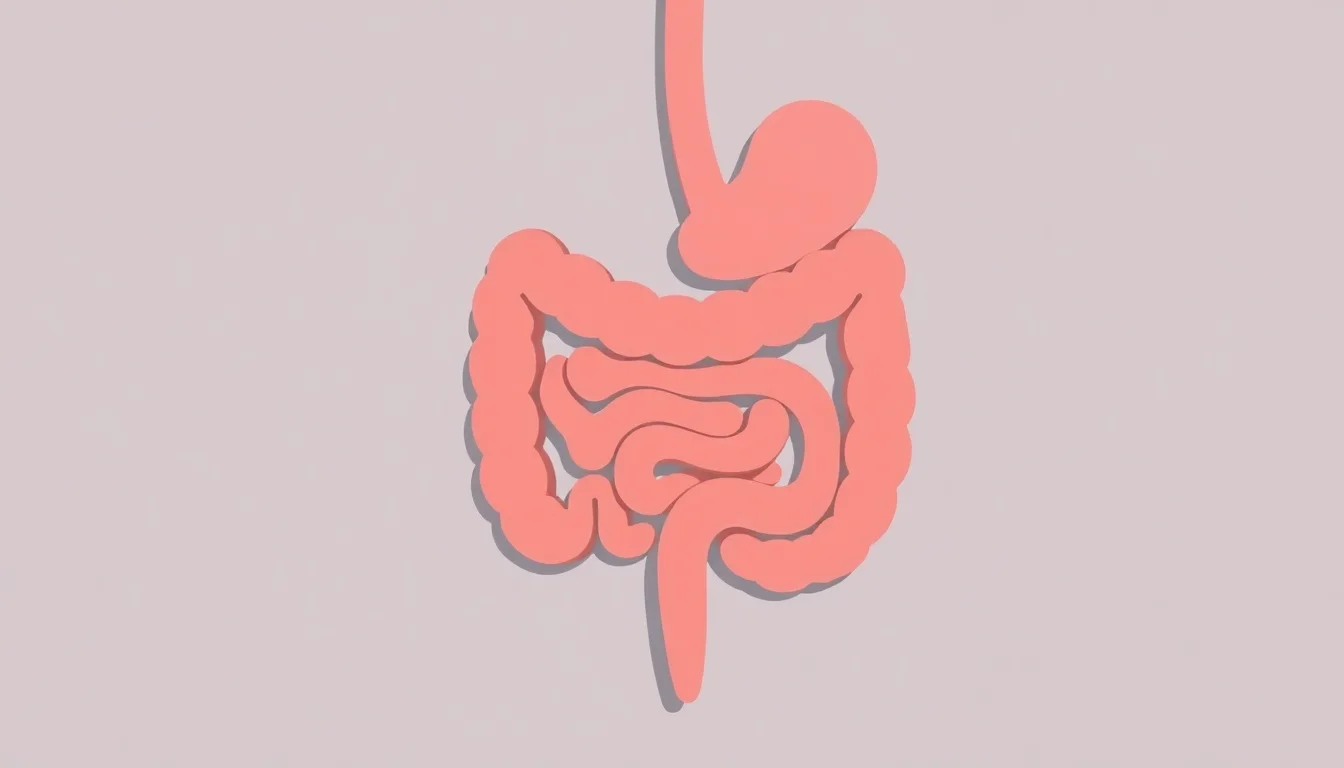
Abdominal bloating, often described as that uncomfortable sensation of tightness, pressure, or fullness in your stomach, is a common gastrointestinal hiccup. It's not always visible, but the internal feeling of being overstuffed is undeniable. Think of it as your digestive system throwing a small, unwelcome party. While frequently self-diagnosed, understanding its nuances is key to managing this transient condition that affects the digestive tract.
🤔 Who Experiences This Uninvited Guest?
The beauty, or perhaps the curse, of bloating is its universality. It doesn't discriminate based on age, gender, or lifestyle. From infants experiencing colic to seniors navigating age-related digestive changes, anyone can find themselves dealing with this unwelcome guest. This widespread experience contributes to its high cultural energy for relatability, making it a shared, albeit often private, struggle.
📅 When Does Bloating Strike?
Bloating can be a fleeting annoyance, lasting anywhere from a few minutes to several hours, or it can be a more persistent companion. Its onset is often linked to specific events, such as a particularly indulgent meal or a stressful day. Recognizing the temporal patterns of your bloating can be the first step in identifying its triggers and developing effective management strategies, moving beyond mere symptom management to proactive wellness.
🔍 The Usual Suspects: Causes & Triggers
The culprits behind bloating are as varied as the individuals experiencing it. Common triggers include swallowing excess air (think chewing gum or carbonated drinks), consuming gas-producing foods like beans and cruciferous vegetables, and experiencing bowel irregularity. Hormonal fluctuations, particularly in women, and certain gut conditions like IBS also play significant roles, making the root cause a complex puzzle.
🩺 When to Seek Professional Help
While often benign, persistent or severe bloating warrants a closer look. If your bloating is accompanied by significant pain, unintended weight loss, blood in your stool, or changes in bowel habits that don't resolve, it's time to consult a healthcare professional. These symptoms could indicate underlying conditions that require medical diagnosis and treatment, moving beyond self-care to professional guidance.
🍽️ Dietary Adjustments: Friend or Foe?
Dietary adjustments are a cornerstone of bloating management, but the approach is highly individual. Some find relief by reducing FODMAPs, while others benefit from increasing fiber intake gradually. Keeping a detailed food diary can help pinpoint specific trigger foods. It's a process of experimentation, often guided by a nutrition expert, to find what works best for your unique intestinal flora.
🔬 The Science Behind the Swell
At its core, bloating involves an accumulation of gas, air, or fluid within the gastrointestinal tract. This can result from impaired digestion, increased gas production by gut bacteria, or issues with the motility of the digestive system. The exact pathophysiological processes are still being explored, highlighting a significant area of ongoing scientific inquiry into gut function.
🔮 The Future of Bloating Management
The future of managing bloating likely lies in personalized medicine and advanced diagnostics. We're seeing a rise in fecal analysis and breath tests that can offer more precise insights into individual digestive processes. Emerging therapies may target specific bacterial imbalances or enhance gut motility, moving beyond generic advice to highly tailored therapeutic interventions.
⚖️ Bloating vs. Distension: A Crucial Distinction
It's crucial to distinguish between bloating and abdominal distension, though they are often used interchangeably. Bloating is primarily a subjective sensation of fullness and pressure, which may or may not involve visible abdominal swelling. Distension, on the other hand, refers to the objective physical enlargement of the abdomen. While related, their underlying mechanisms can differ, and understanding this distinction is vital for accurate symptom assessment.
Key Facts
- Year
- 2023
- Origin
- Vibepedia.wiki
- Category
- Health & Wellness
- Type
- Topic
Frequently Asked Questions
What's the quickest way to relieve bloating?
For immediate relief, try over-the-counter medications containing simethicone, which helps break down gas bubbles. Gentle physical activity, like a short walk, can also stimulate digestion and move gas along. Drinking plain water and practicing deep breathing exercises can also help alleviate the discomfort by promoting relaxation of the abdominal muscles.
Are carbonated drinks really that bad for bloating?
Yes, carbonated beverages are a common culprit. The bubbles in these drinks are essentially dissolved carbon dioxide gas, which can be released in your stomach, leading to increased pressure and that familiar bloated feeling. Opting for still water or herbal teas can significantly reduce this trigger.
How long does bloating typically last?
The duration of bloating varies greatly. It can be a temporary sensation that resolves within minutes to a few hours after eating or after passing gas. However, if it's related to a more persistent underlying issue, bloating can last for days or even weeks, often fluctuating in intensity.
Can stress cause bloating?
Absolutely. The gut-brain connection is powerful, and stress can significantly impact digestive function. When you're stressed, your body can slow down digestion, leading to gas buildup and bloating. Managing stress through techniques like meditation or yoga can be beneficial for digestive health.
Is bloating a sign of a serious illness?
In most cases, bloating is a temporary and benign condition. However, if your bloating is persistent, severe, or accompanied by other concerning symptoms like unexplained weight loss, blood in your stool, or severe abdominal pain, it's essential to consult a healthcare professional to rule out more serious underlying conditions.
What are FODMAPs and how do they relate to bloating?
FODMAPs (Fermentable Oligosaccharides, Disaccharides, Monosaccharides, and Polyols) are a group of short-chain carbohydrates that are poorly absorbed in the small intestine. They can be fermented by bacteria in the large intestine, producing gas and leading to bloating, pain, and other digestive symptoms, particularly in individuals with IBS.