
Contents
- 🎵 Origins & History
- ⚙️ How It Works
- 📊 Key Facts & Numbers
- 👥 Key People & Organizations
- 🌍 Cultural Impact & Influence
- ⚡ Current State & Latest Developments
- 🤔 Controversies & Debates
- 🔮 Future Outlook & Predictions
- 💡 Practical Applications
- 📚 Related Topics & Deeper Reading
- Frequently Asked Questions
- References
- Related Topics
Overview
AI in healthcare is the application of artificial intelligence to analyze and understand complex medical and healthcare data, with the potential to exceed or augment human capabilities in diagnosing, treating, or preventing disease. With the widespread use of AI in healthcare still relatively new, research is ongoing into its applications across various medical subdisciplines and related industries, including diagnostics, treatment protocol development, drug development, personalized medicine, and patient monitoring and care. According to a report by IBM, the global AI in healthcare market is expected to reach $35.9 billion by 2025, growing at a compound annual growth rate (CAGR) of 41.8%. As of 2022, over 50% of healthcare organizations have already implemented AI solutions, with Google's DeepMind Health and Microsoft's Health Bot being notable examples. However, the use of AI in healthcare also presents unprecedented ethical concerns related to issues such as data privacy, automation of jobs, and amplifying already existing algorithmic biases, as highlighted by American Medical Association and World Health Organization.
🎵 Origins & History
The concept of AI in healthcare dates back to the 1960s, when the first AI program, called ELIZA, was developed to simulate a conversation with a human. However, it wasn't until the 2010s that AI in healthcare started to gain significant attention, with the launch of DeepMind's AI-powered medical diagnosis platform in 2014. Since then, numerous companies, including Google, Microsoft, and Facebook, have made significant investments in AI in healthcare, with applications ranging from medical imaging analysis to personalized medicine. For instance, Stanford University's AI-powered medical imaging platform has been shown to improve diagnostic accuracy by up to 20%.
⚙️ How It Works
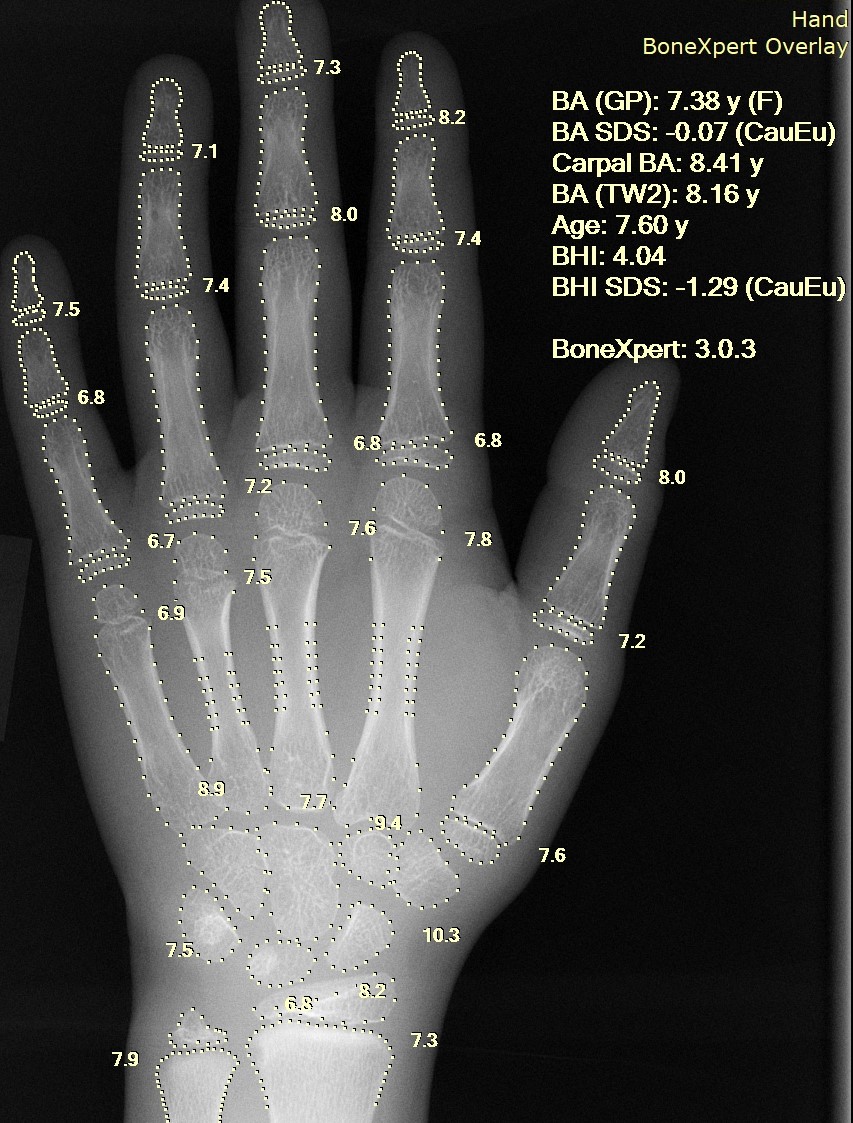
AI in healthcare works by using machine learning algorithms to analyze large amounts of medical data, including electronic health records (EHRs), medical images, and genomic data. These algorithms can identify patterns and relationships in the data that may not be apparent to human clinicians, allowing for more accurate diagnoses and personalized treatment plans. For example, Mayo Clinic's AI-powered platform uses natural language processing (NLP) to analyze EHRs and identify high-risk patients. Additionally, Johns Hopkins University's AI-powered medical imaging platform uses computer vision to detect abnormalities in medical images.
📊 Key Facts & Numbers
According to a report by MarketsandMarkets, the global AI in healthcare market is expected to reach $35.9 billion by 2025, growing at a CAGR of 41.8%. The market is driven by factors such as the increasing adoption of EHRs, the growing demand for personalized medicine, and the need for more accurate and efficient medical diagnosis. As of 2022, over 50% of healthcare organizations have already implemented AI solutions, with Google's DeepMind Health and Microsoft's Health Bot being notable examples. Furthermore, a study by Harvard University found that AI-powered medical diagnosis can reduce diagnostic errors by up to 30%.
👥 Key People & Organizations
Key people and organizations involved in AI in healthcare include Andrew Ng, co-founder of Coursera and former chief scientist at Baidu, who has been a vocal advocate for the use of AI in healthcare. Other notable organizations include American Medical Association, World Health Organization, and National Institutes of Health, which have all published guidelines and recommendations for the use of AI in healthcare. Additionally, companies like IBM and Amazon are also investing heavily in AI in healthcare, with IBM's Watson Health platform being a notable example.
🌍 Cultural Impact & Influence
The cultural impact of AI in healthcare is significant, with the potential to revolutionize the way medical care is delivered and received. According to a survey by Gallup, 71% of patients are willing to use AI-powered medical diagnosis tools, and 64% of clinicians believe that AI will improve patient outcomes. However, there are also concerns about the potential for AI to displace human clinicians, as well as the need for more diverse and representative data sets to train AI algorithms. For instance, a study by Stanford University found that AI-powered medical diagnosis can perpetuate existing biases if the training data is not diverse.
⚡ Current State & Latest Developments
As of 2022, the current state of AI in healthcare is one of rapid growth and development, with new applications and innovations emerging on a regular basis. For example, Google's AI-powered medical imaging platform has been shown to improve diagnostic accuracy by up to 20%, and Microsoft's Health Bot has been used by over 100 healthcare organizations to improve patient engagement. However, there are also challenges and controversies surrounding the use of AI in healthcare, including concerns about data privacy, automation of jobs, and amplifying already existing algorithmic biases. According to a report by Pew Research Center, 60% of Americans are concerned about the use of AI in healthcare, citing concerns about data privacy and job displacement.
🤔 Controversies & Debates
One of the major controversies surrounding AI in healthcare is the potential for AI to displace human clinicians, particularly in areas such as medical imaging analysis and diagnosis. According to a report by McKinsey, up to 30% of healthcare jobs could be automated by 2030. However, others argue that AI will augment human capabilities, rather than replace them, and that the benefits of AI in healthcare, such as improved diagnostic accuracy and personalized medicine, outweigh the risks. For example, a study by Harvard University found that AI-powered medical diagnosis can improve diagnostic accuracy by up to 20%, while also reducing diagnostic errors by up to 30%.
🔮 Future Outlook & Predictions
Looking to the future, the potential for AI in healthcare is vast, with the potential to revolutionize the way medical care is delivered and received. According to a report by Goldman Sachs, the global AI in healthcare market is expected to reach $150 billion by 2025, with applications ranging from medical imaging analysis to personalized medicine. However, there are also challenges and controversies surrounding the use of AI in healthcare, including concerns about data privacy, automation of jobs, and amplifying already existing algorithmic biases. To address these challenges, companies like IBM and Google are investing in AI-powered medical diagnosis platforms that prioritize transparency, explainability, and fairness.
💡 Practical Applications
Practical applications of AI in healthcare include medical imaging analysis, personalized medicine, and patient monitoring and care. For example, Stanford University's AI-powered medical imaging platform has been shown to improve diagnostic accuracy by up to 20%, and Mayo Clinic's AI-powered platform uses NLP to analyze EHRs and identify high-risk patients. Additionally, Johns Hopkins University's AI-powered medical imaging platform uses computer vision to detect abnormalities in medical images.
Key Facts
- Year
- 2022
- Origin
- Global
- Category
- technology
- Type
- concept
Frequently Asked Questions
What is AI in healthcare?
AI in healthcare is the application of artificial intelligence to analyze and understand complex medical and healthcare data, with the potential to exceed or augment human capabilities in diagnosing, treating, or preventing disease. According to a report by IBM, the global AI in healthcare market is expected to reach $35.9 billion by 2025, growing at a CAGR of 41.8%.
How does AI in healthcare work?
AI in healthcare works by using machine learning algorithms to analyze large amounts of medical data, including electronic health records (EHRs), medical images, and genomic data. These algorithms can identify patterns and relationships in the data that may not be apparent to human clinicians, allowing for more accurate diagnoses and personalized treatment plans. For example, Stanford University's AI-powered medical imaging platform has been shown to improve diagnostic accuracy by up to 20%.
What are the benefits of AI in healthcare?
The benefits of AI in healthcare include improved diagnostic accuracy, personalized medicine, and patient monitoring and care. According to a study by Harvard University, AI-powered medical diagnosis can improve diagnostic accuracy by up to 20%, while also reducing diagnostic errors by up to 30%.
What are the challenges and controversies surrounding AI in healthcare?
The challenges and controversies surrounding AI in healthcare include concerns about data privacy, automation of jobs, and amplifying already existing algorithmic biases. According to a report by Pew Research Center, 60% of Americans are concerned about the use of AI in healthcare, citing concerns about data privacy and job displacement.
What is the future of AI in healthcare?
The future of AI in healthcare is vast, with the potential to revolutionize the way medical care is delivered and received. According to a report by Goldman Sachs, the global AI in healthcare market is expected to reach $150 billion by 2025, with applications ranging from medical imaging analysis to personalized medicine.
How can I get started with AI in healthcare?
To get started with AI in healthcare, you can start by learning about the basics of AI and machine learning, as well as the current state of AI in healthcare. You can also explore online courses and tutorials, such as those offered by Coursera and edX. Additionally, you can join online communities and forums, such as those on Reddit and Kaggle, to connect with others who are interested in AI in healthcare.