
Contents
Overview
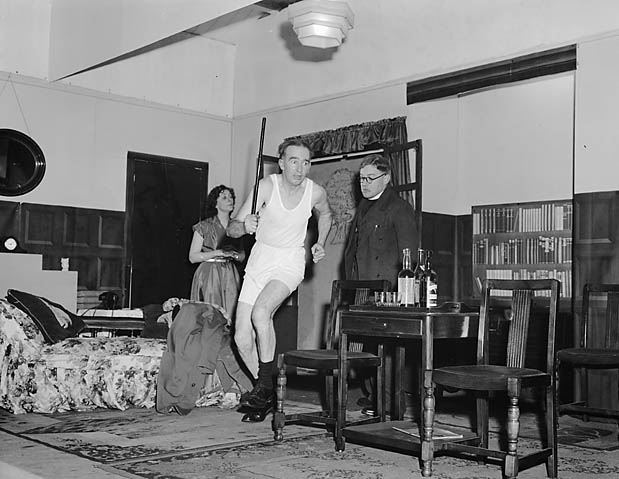
Amateur theatre, often referred to as amateur dramatics, encompasses theatrical performances staged by individuals who are not professional actors or singers. These groups, driven by a passion for the performing arts rather than financial gain, produce a wide spectrum of shows, from classic plays and musicals to revues and pantomimes. While professional venues are sometimes utilized, productions frequently find homes in community centers, schools, and outdoor spaces. The core distinction lies in the unpaid nature of the performers, who are typically not members of professional actors' unions like Actors' Equity Association. This form of theatre thrives on social engagement and artistic expression, fostering a unique sense of community among participants and audiences alike, and has been a cornerstone of local cultural life for centuries, predating the professionalization of theatre in many regions.
🎵 Origins & History
While the roots of amateur theatre stretch back to ancient Greece, and medieval Europe saw the rise of mystery plays and morality plays, the 19th century saw amateur dramatic societies proliferate across Britain and North America. The establishment of organizations like the Dramatic Art Association in the UK (founded 1899) and similar groups in the US formalized these activities, providing resources and a platform for non-professional performers. Early pioneers like William Shakespeare himself, though a professional, often relied on amateur players for early productions or for specific roles in his own era's theatrical landscape.
⚙️ How It Works
Amateur theatre operates on a model of volunteerism and shared passion. Groups typically form around a shared interest in a particular genre or type of performance, such as musical theatre, Shakespearean drama, or contemporary plays. Members often fill multiple roles, acting, directing, stage managing, designing sets, handling costumes, and managing publicity. Productions are usually funded through ticket sales, membership fees, grants from local arts councils, and fundraising events. Rehearsals can span several weeks or months, culminating in a limited run of performances, often over a weekend or a few consecutive weeks. The emphasis is on collaborative creation and the joy of bringing a story to life, rather than on commercial success or critical acclaim.
📊 Key Facts & Numbers
Globally, it's estimated that tens of thousands of amateur theatre groups exist, engaging millions of participants annually. In the UK alone, the National Operatic and Dramatic Association (NODA) reports over 2,500 member societies. In the United States, the American Community Theatre Association (ACTA) (now part of the American Association of Community Theatre) represents thousands of community theatres, many of which operate with significant amateur participation. Ticket sales for amateur productions, while not professional box office figures, contribute millions of dollars to local economies annually through venue rentals, costume purchases, and community spending. A single amateur production might involve 30-50 individuals in various capacities, from actors to ushers.
👥 Key People & Organizations
While amateur theatre is defined by its non-professional status, certain individuals and organizations have played pivotal roles in its development and support. Figures like George Bernard Shaw, who began his writing career with amateur dramatic societies, championed accessible theatre. Organizations such as the Royal Shakespeare Company (while professional) often engage with amateur groups through outreach programs and educational initiatives. In the US, the Kennedy Center's American College Theater Festival (KCTF) serves as a significant platform for showcasing and celebrating student and emerging theatre talent, many of whom are amateurs. Local theatre leagues, like the New York State Theatre Association, provide resources and networking opportunities for their member groups.
🌍 Cultural Impact & Influence
Amateur theatre has profoundly shaped cultural landscapes by democratizing access to the performing arts. It provides a crucial training ground for aspiring actors, directors, and technicians, many of whom transition to professional careers, including notable figures like Meryl Streep and Denzel Washington, who honed their skills in university and community theatre. Beyond individual careers, these groups foster community cohesion, offering shared experiences and a sense of belonging. They often tackle diverse narratives, reflecting local cultures and providing a platform for underrepresented voices that might not be prioritized by commercial theatre. The tradition of amateur pantomime in the UK, for instance, is a deeply ingrained cultural phenomenon.
⚡ Current State & Latest Developments
In the early 2020s, amateur theatre is navigating a complex landscape shaped by digital technologies and evolving audience habits. Many groups have embraced online platforms for marketing, virtual auditions, and even live-streamed or recorded performances, a trend accelerated by the COVID-19 pandemic. While the pandemic forced many groups to pause or pivot, there's a strong resurgence in live performance as restrictions ease. The rise of accessible digital tools for set design, sound production, and lighting control is also lowering barriers to entry. However, challenges remain, including securing funding, attracting new volunteers, and competing for audience attention in a crowded entertainment market.
🤔 Controversies & Debates
A persistent debate in amateur theatre revolves around the definition of 'amateur' itself. Some argue that as participants become more skilled and productions more polished, the line between amateur and professional blurs, leading to discussions about fair competition and the use of professional-grade venues. Another controversy concerns the selection of repertoire: should amateur groups tackle challenging, contemporary works, or stick to more accessible, crowd-pleasing choices? Furthermore, issues of inclusivity and diversity in casting and production choices are ongoing discussions, with many groups actively working to ensure their stages reflect the communities they serve, moving beyond historical biases seen in productions by groups like the Old Vic in its earlier days.
🔮 Future Outlook & Predictions
The future of amateur theatre appears to be one of hybridity and adaptation. We can expect to see continued integration of digital technologies, with virtual reality and augmented reality potentially offering new immersive theatrical experiences for both performers and audiences. There's also a growing emphasis on site-specific and immersive theatre, moving performances out of traditional proscenium arch stages and into unique community spaces. Funding models may diversify, with increased reliance on crowdfunding and corporate sponsorships. The core appeal of amateur theatre – community, shared creation, and accessible artistic expression – is likely to endure, ensuring its relevance for generations to come, potentially influencing professional trends as seen with the early experimental work of The Living Theatre.
💡 Practical Applications
Amateur theatre serves as a vital incubator for talent and a community-building tool. It provides practical experience in acting, directing, stagecraft, and production management, which can be directly applied in professional settings or simply enrich personal lives. For communities, amateur theatre can revitalize town centers, boost local economies through event tourism, and provide accessible cultural enrichment. It's also used in educational settings as a pedagogical tool to teach empathy, public speaking, and teamwork. The skills learned in an amateur production, from memorizing lines to collaborating on a set build for a show like A Midsummer Night's Dream, are transferable across many life domains.
Key Facts
- Category
- culture
- Type
- movement