
Contents
- 🎵 Origins & History
- ⚙️ Defining the Boundaries
- 📊 Key Facts & Numbers
- 👥 Key People & Organizations
- 🌍 Cultural Impact & Influence
- ⚡ Current State & Latest Developments
- 🤔 Controversies & Debates
- 🔮 Future Outlook & Predictions
- 💡 Practical Applications
- 📚 Related Topics & Deeper Reading
- Frequently Asked Questions
- References
- Related Topics
Overview
The story of the American Southwest is etched in stone and dust, stretching back millennia. Long before European boots touched its soil, sophisticated indigenous civilizations like the Ancestral Puebloans flourished, leaving behind monumental architecture at sites like Chaco Canyon and Mesa Verde. The arrival of Spanish explorers in the 16th century, notably Francisco Vásquez de Coronado in his quest for the Seven Cities of Cibola, initiated centuries of cultural exchange and conflict. Spanish missionaries established outposts, such as the Mission San Xavier del Bac near Tucson, while the Pueblo Revolt of 1680 demonstrated fierce indigenous resistance. Following Mexican independence in 1821, the region remained under Mexican rule until the Mexican-American War concluded with the Treaty of Guadalupe Hidalgo in 1848, ceding vast territories to the United States, further solidified by the Gadsden Purchase in 1854. This tumultuous history forged a unique cultural identity, blending Native American traditions, Spanish colonial influences, and the rugged individualism of the American frontier.
⚙️ Defining the Boundaries
Defining the precise geographical and cultural boundaries of the American Southwest is less an exact science and more a matter of ongoing debate, a testament to its fluid identity. While common consensus often includes Arizona and New Mexico as its core, the reach extends into parts of California (particularly the Mojave Desert), Colorado (southwestern counties), Nevada (southern tip), Oklahoma (panhandle), and Texas (western counties). This expansive definition acknowledges the shared ecological, historical, and cultural threads that bind these disparate areas. The Mojave Desert serves as a western marker for some, while others draw a line near Carlsbad, New Mexico, illustrating the subjective nature of regional demarcation. This ambiguity, however, is part of what makes the Southwest so compelling—a region defined as much by its shared vibe as by precise longitude and latitude.
📊 Key Facts & Numbers
The American Southwest is a land of extremes, quantified by stark numbers. It encompasses roughly 1.2 million square miles, a significant portion of the continental U.S. The region is characterized by its aridity, with annual precipitation often falling below 10 inches in many desert areas, a critical factor influencing its population distribution and economy. Major urban centers like Phoenix boast metropolitan populations exceeding 5 million, while Las Vegas draws over 40 million tourists annually. The region is a treasure trove of natural resources, with significant deposits of copper, uranium, and natural gas. Tourism is a colossal industry, generating billions of dollars each year, driven by iconic landmarks such as the Grand Canyon (visited by over 5 million people in 2023) and White Sands National Park. The population is diverse, with a substantial percentage identifying as Hispanic or Latino (over 30% in New Mexico) and a significant Native American population, comprising over 20% of Arizona's residents.
👥 Key People & Organizations
The tapestry of the American Southwest is woven by countless influential figures and enduring organizations. Indigenous leaders like Popé, who orchestrated the Pueblo Revolt of 1680, stand as pivotal historical figures. Spanish colonial figures such as Juan de Oñate established early settlements and governance. Later, figures like John Wesley Powell explored and mapped the region's vast river systems, while Frederick Jackson Turner theorized about the impact of the frontier on American character. Modern cultural icons include artists like Georgia O'Keeffe, whose paintings captured the essence of Northern New Mexico, and writers such as Cormac McCarthy, whose novels are steeped in the region's harsh beauty. Key organizations include the National Park Service, which preserves its natural wonders, and numerous tribal governments, such as the Navajo Nation and Hopi Tribe, which continue to govern and preserve their ancestral lands and cultures. The Smithsonian Institution also plays a role in documenting and preserving the region's rich history and artifacts.
🌍 Cultural Impact & Influence
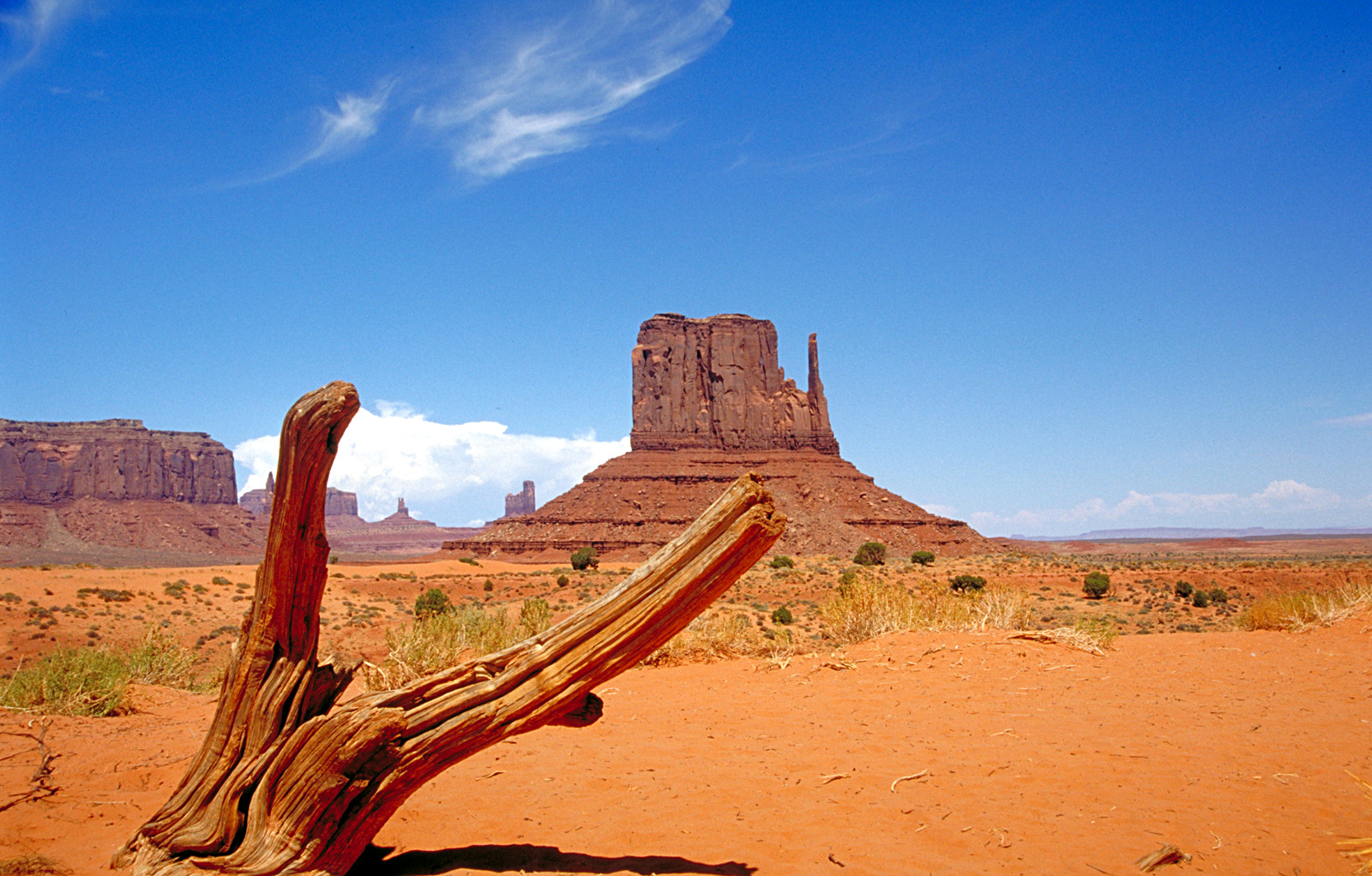
The American Southwest has profoundly shaped American culture, leaving an indelible mark on art, literature, film, and cuisine. The distinctive architectural styles, from adobe structures to Spanish Colonial Revival, are instantly recognizable. The region's dramatic landscapes have inspired generations of artists, most famously Georgia O'Keeffe, whose canvases are synonymous with the desert's stark beauty. Its literary tradition, often characterized by themes of isolation, survival, and the clash of cultures, includes luminaries like Toni Morrison and Rudolfo Anaya. Hollywood has long been captivated by the Southwest, using its vistas as backdrops for countless Westerns and contemporary dramas, solidifying archetypes of the rugged individualist and the mysterious frontier. The region's cuisine, a fusion of Native American, Mexican, and Spanish influences, is celebrated globally, with dishes like chiles rellenos, tamales, and frybread becoming staples. The very concept of the 'American West,' with its mythology of cowboys, outlaws, and wide-open spaces, is inextricably linked to the Southwest's enduring allure.
⚡ Current State & Latest Developments
In 2024, the American Southwest is a dynamic region navigating both opportunity and significant challenges. Rapid population growth, particularly in metropolitan areas like Phoenix and Albuquerque, is straining resources, most critically water. The Colorado River, a lifeline for millions, is at historic low levels, prompting urgent conservation measures and inter-state negotiations. Renewable energy development, particularly solar power, is booming, with states like Arizona and Nevada leading the nation in solar installations, attracting billions in investment from companies like First Solar. The tech sector is also expanding, with hubs emerging in cities like Austin (though sometimes considered adjacent) and Denver (also on the periphery), drawing talent and investment. Meanwhile, cultural preservation efforts are intensifying, as indigenous communities work to protect their heritage and land rights amidst increasing development pressures. The ongoing debate over border security and immigration continues to shape policy and public discourse, particularly in areas bordering Mexico.
🤔 Controversies & Debates
The American Southwest is a hotbed of controversy, primarily centered on resource management and historical narratives. Water rights are a perpetual flashpoint, with ongoing disputes between states, agricultural users, and urban centers over allocations from the Colorado River Basin. The legacy of colonialism and its impact on indigenous populations remains a deeply contested issue, with debates surrounding land claims, cultural appropriation, and the repatriation of artifacts. The romanticized mythology of the 'Wild West' often clashes with the lived realities of its diverse inhabitants, leading to discussions about representation in media and historical interpretation. Furthermore, the rapid pace of development and resource extraction, particularly mining and energy production, sparks conflict with environmental conservationists and indigenous groups concerned about ecological damage and sacred sites. The definition of the region itself, as discussed, can also be a point of contention, reflecting differing cultural and political perspectives.
🔮 Future Outlook & Predictions
The future of the American Southwest will be defined by its ability to adapt to a changing climate and manage its finite resources. Water scarcity will likely intensify, driving innovation in desalination, water recycling, and drought-resistant agriculture. The region is poised to become a global leader in renewable energy, particularly solar and geothermal power, as the transition away from fossil fuels accelerates. Population growth is expected to continue, necessitating significant investment in infrastructure, housing, and sustainable urban planning. The role of indigenous nations will become increasingly prominent, as they assert greater control over their lands and resources, and contribute unique perspectives on environmental stewardship. The cultural landscape will continue to evolve, blending ancient traditions with global influences, potentially leading to new artistic movements and culinary innovations. The challenge will be to foster equitable growth that respects the region's unique heritage and ecological fragility.
💡 Practical Applications
The American Southwest's unique environment and cultural heritage lend themselves to a variety of practical applications and industries. Its vast, sunny expanses make it an ideal location for solar power generation, with numerous utility-scale solar farms operating across the region. The arid climate and dramatic geological formations are perfect for astronomical observation, hosting major observatories like the Palomar Observatory and the Kitt Peak National Observatory. The rich archaeological record supports a thriving field of archaeology and cultural tourism, drawing scholars and enthusiasts to sites like Aztec Ruins National Monument and Paquimé. Its distinct agricultural products, such as Pueblo chiles and Navajo-Churro sheep wool, are prized for their unique qualities and cultural significance. Furthermore, the region's rugged terrain and open spaces have made it a popular location for film and television production, providing backdrops for countless movies and series.
Key Facts
- Year
- Pre-Columbian era - Present
- Origin
- North America
- Category
- culture
- Type
- place
Frequently Asked Questions
What are the core states typically considered part of the American Southwest?
While definitions vary, the core states most consistently identified as part of the American Southwest are Arizona and New Mexico. These states embody the region's defining characteristics of arid landscapes, rich indigenous heritage, and significant Spanish colonial influence. Beyond these two, the region often extends into southwestern Colorado, southern Nevada, western Texas, parts of southern California, and the panhandle of Oklahoma, reflecting a broader cultural and ecological continuity.
How has the arid climate shaped life in the Southwest?
The arid climate has been the single most dominant factor shaping life in the Southwest for millennia. It necessitated the development of sophisticated water management systems by indigenous peoples, such as the Ancestral Puebloans with their intricate irrigation and reservoir systems. This scarcity continues to define modern challenges, leading to intense competition for water resources, particularly from the Colorado River, and driving innovation in water conservation and renewable energy like solar power. The landscape itself, characterized by deserts, mesas, and canyons, has fostered unique flora and fauna adapted to low water conditions, influencing everything from architecture to agriculture.
What is the significance of the Spanish colonial influence in the Southwest?
Spanish colonial influence, beginning in the 16th century, is a foundational element of the American Southwest's identity. It introduced new architectural styles, most notably the adobe and mission styles seen in structures like Mission San Miguel Arcángel and San José Mission. The Spanish language, Catholicism, and legal systems became deeply embedded, particularly in New Mexico, where Spanish is still widely spoken. Ranching traditions and certain agricultural practices were also introduced. This era also brought significant conflict and cultural imposition upon indigenous populations, leading to events like the Pueblo Revolt, a complex legacy that continues to be examined.
How do Native American cultures continue to thrive in the Southwest?
Native American cultures are not relics of the past but vibrant, living entities in the Southwest. Numerous federally recognized tribes, including the Navajo Nation, Hopi Tribe, Zuni Pueblo, and Apache tribes, maintain distinct languages, governance, spiritual practices, and artistic traditions. They actively work to preserve their heritage through cultural centers, educational programs, and the protection of sacred sites. Many tribes also leverage their sovereignty for economic development, operating businesses, casinos, and tourism ventures, while simultaneously advocating for land rights and environmental protection. Their enduring presence is a critical component of the region's cultural richness and identity.
What are the primary economic drivers of the American Southwest today?
The economy of the American Southwest is diverse, driven by several key sectors. Tourism is a massive contributor, drawing visitors to national parks like Zion National Park and Arches National Park, cities like Las Vegas, and cultural heritage sites. The region is also a leader in renewable energy generation, particularly solar power, due to its abundant sunshine. Mining (copper, uranium) and natural resource extraction remain significant, especially in Arizona and New Mexico. Technology and aerospace industries are growing, particularly around hubs like Phoenix and Albuquerque. Agriculture, though water-intensive, remains important, focusing on crops suited to arid conditions.
What are the biggest environmental challenges facing the Southwest?
The most pressing environmental challenge is water scarcity, exacerbated by climate change and increasing demand from a growing population. The Colorado River Basin, which supplies water to millions, is in a state of severe drought. Other significant challenges include desertification, increased frequency and intensity of wildfires, air pollution in urban centers, and the environmental impact of resource extraction (mining, oil, and gas). Protecting fragile desert ecosystems and biodiversity from human encroachment and climate impacts is also a critical concern for entities like the U.S. Fish and Wildlife Service.
How has the Southwest influenced American popular culture?
The American Southwest has profoundly shaped American popular culture, largely through the mythology of the 'Wild West.' Its dramatic landscapes have served as iconic backdrops for countless Hollywood Westerns, solidifying images of cowboys, vast deserts, and frontier towns. The region's unique aesthetic, from adobe architecture to turquoise jewelry, has influenced fashion and design. Its cuisine, a fusion of Native American, Mexican, and Spanish flavors, has gained national and international popularity. Furthermore, the Southwest's themes of isolation, resilience, and the clash of cultures have been explored extensively in literature by authors like Rudolfo Anaya and Tony Hillerman, contributing to a distinct literary genre.