
Contents
- 🎵 Origins & Early Civilizations
- ⚙️ The Vedic Period & Societal Formation
- 📊 Key Empires & Dynasties
- 👥 Key Figures & Thinkers
- 🌍 Cultural & Intellectual Flourishing
- ⚡ Decline & Transition
- 🤔 Debates on Origins & Migrations
- 🔮 Legacy & Enduring Influence
- 💡 Archaeological Discoveries
- 📚 Further Exploration
- References
Overview
Ancient India encompasses the vast historical period of the Indian subcontinent up to the decline of the Gupta Empire around 550 CE. This era witnessed the birth of the Indus Valley Civilization, one of the world's earliest urban cultures, characterized by sophisticated city planning and trade networks. Following its decline, the Vedic Period saw the composition of foundational Hindu scriptures and the development of the varna system. This period laid the groundwork for the emergence of powerful empires such as the Maurya Empire, under rulers like Ashoka the Great, who spread Buddhism across Asia, and the Gupta Empire, often referred to as India's 'Golden Age' for its advancements in science, art, and literature. Ancient India's intellectual and spiritual contributions, including the development of Sanskrit literature, the philosophical schools of Hinduism, and the teachings of Buddhism and Jainism, have profoundly shaped global thought and culture.
🎵 Origins & Early Civilizations
Cities like Harappa and Mohenjo-daro showcased remarkable urban planning, advanced sanitation systems, and extensive trade links, evidenced by seals found as far west as Mesopotamia. The decline of this civilization, likely due to persistent drought and environmental changes, led to population dispersal and paved the way for new cultural developments.
⚙️ The Vedic Period & Societal Formation
Following the collapse of the Indus Valley Civilization, the Vedic Period saw the migration of Indo-Aryan peoples into the northern Indian subcontinent. This era is defined by the composition of the Vedas, a vast corpus of hymns, rituals, and philosophical insights that form the bedrock of Hinduism. Society became increasingly stratified, with the development of the varna system (Brahmin, Kshatriya, Vaishya, Shudra), which, while initially fluid, would evolve into the more rigid caste system. The foundational texts of this period, such as the Rigveda, offer glimpses into early Indian religious beliefs and social structures.
📊 Key Empires & Dynasties
Ancient India was shaped by a succession of powerful empires. The Maurya Empire unified much of the subcontinent. Its most famous ruler, Ashoka the Great, embraced Buddhism and sponsored its spread across Asia, leaving behind edicts inscribed on pillars and rocks throughout his domain. Following the Mauryas, the Shunga Dynasty and later the Kushan Empire held sway before the rise of the Gupta Empire. The Gupta period is often lauded as a 'Golden Age' for its significant advancements in mathematics, astronomy, literature, and art.
👥 Key Figures & Thinkers
Numerous influential figures shaped ancient Indian thought and governance. Gautama Buddha (c. 563–483 BCE), the founder of Buddhism, attained enlightenment and taught a path to liberation from suffering. Mahavira (c. 599–527 BCE) was the 24th Tirthankara of Jainism, advocating principles of non-violence and asceticism. Philosophers like Adi Shankara (c. 8th century CE) systematized Advaita Vedanta philosophy. Rulers like Ashoka the Great and Chandragupta Maurya established vast empires, while scholars such as Aryabhata and Varahamihira pushed the boundaries of scientific knowledge.
🌍 Cultural & Intellectual Flourishing
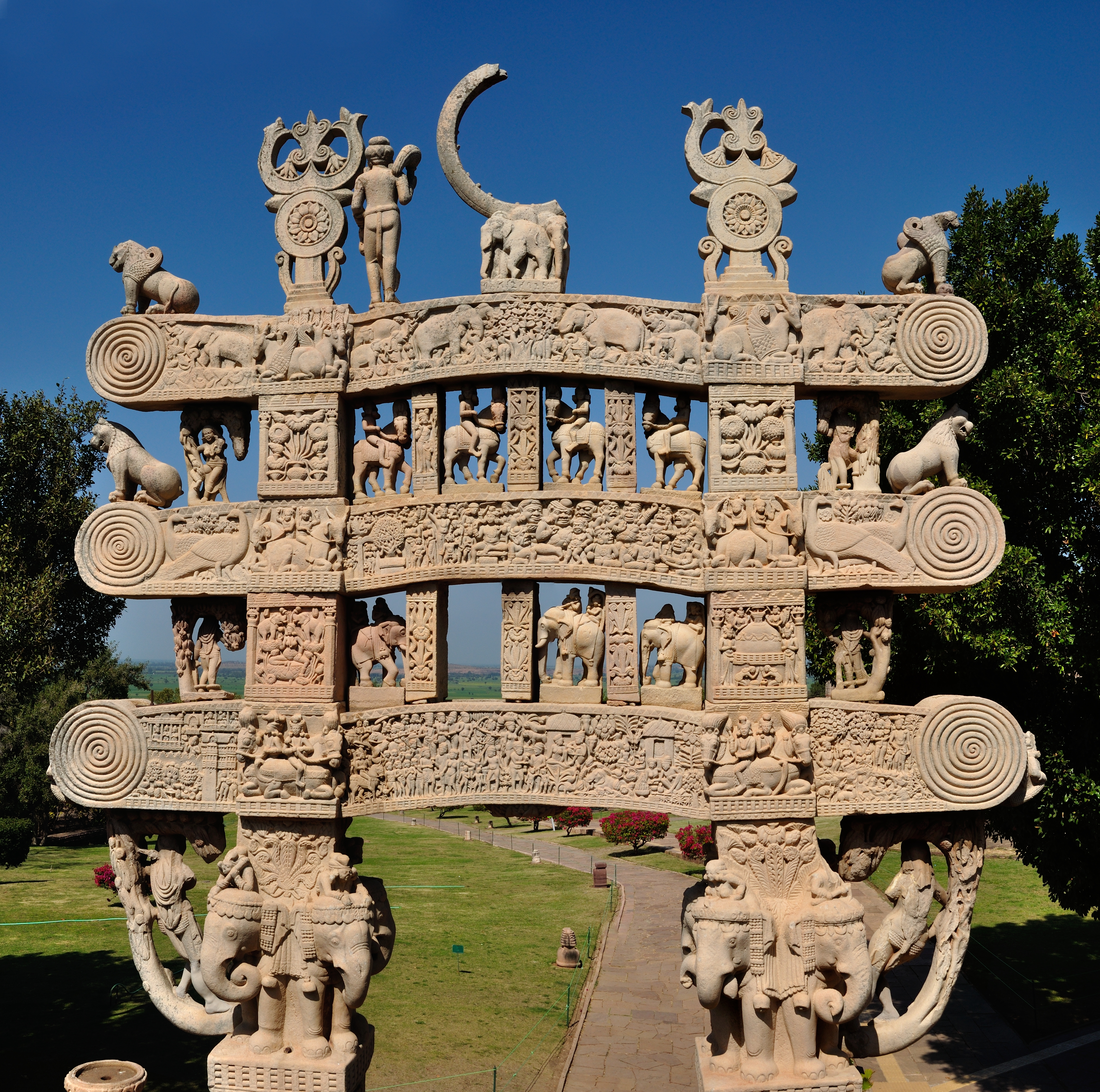
The cultural and intellectual output of ancient India was immense. The development of Sanskrit as a literary and scholarly language produced epics like the Mahabharata and Ramayana, and philosophical texts such as the Upanishads and the Bhagavad Gita. Medical texts like the Sushruta Samhita detailed surgical procedures. Artistic achievements are evident in the Ajanta Caves frescoes and the Sanchi Stupa architecture.
⚡ Decline & Transition
The decline of the Gupta Empire around 550 CE marked a transition away from large-scale imperial rule towards a more fragmented political landscape in many regions. While the Gupta period represented a zenith, its dissolution led to the rise of regional kingdoms and dynasties across the subcontinent. This period saw continued cultural development but lacked the overarching political unity of the preceding empires. The subsequent centuries witnessed the emergence of new powers like the Chola Dynasty in the south and the Pala Empire in the east, each contributing to the diverse historical narrative of India.
🤔 Debates on Origins & Migrations
The origins of the Indo-Aryan migrations and the precise timeline of their arrival remain subjects of scholarly debate. While traditional views often posited a large-scale invasion, modern archaeological and genetic evidence suggests a more complex process of gradual migration and cultural assimilation, often referred to as the Indo-Aryan migration theory. The relationship between the Indus Valley Civilization and later Vedic cultures is also debated, with some scholars seeing a clear continuity and others emphasizing significant breaks and influences from external sources. The exact dating of key Vedic texts also presents challenges for historians.
🔮 Legacy & Enduring Influence
The legacy of ancient India is profound and far-reaching. Its philosophical and religious traditions, particularly Hinduism, Buddhism, and Jainism, have influenced billions worldwide and continue to be vibrant forces. Ancient Indian literature, art, and architecture continue to inspire and are studied extensively. The political and administrative models developed by empires like the Mauryas and Guptas have also left their mark on governance in the region and beyond.
💡 Archaeological Discoveries
Archaeological discoveries have been instrumental in reconstructing the history of ancient India. Excavations at Harappa and Mohenjo-daro revealed the sophistication of the Indus Valley Civilization, fundamentally altering our understanding of early South Asian history. The discovery of Ashoka's edicts across the subcontinent provided concrete evidence of his reign and policies. Ongoing excavations continue to unearth new sites and artifacts, offering fresh insights into daily life, trade, and religious practices of ancient Indian societies, from the earliest settlements to the later empires.
📚 Further Exploration
For those seeking to delve deeper into the rich history of ancient India, exploring the foundational texts like the Vedas, Upanishads, and the great epics, the Mahabharata and Ramayana, is essential. Academic works by scholars such as Romila Thapar on early Indian history and A. L. Basham's 'The Wonder That Was India' offer comprehensive overviews. Examining the archaeological reports from sites like Harappa and Mohenjo-daro provides a tangible connection to these ancient civilizations. Understanding the philosophical schools of Hinduism, Buddhism, and Jainism is also crucial for grasping the intellectual landscape.
Key Facts
- Category
- history
- Type
- concept