
Contents
Overview
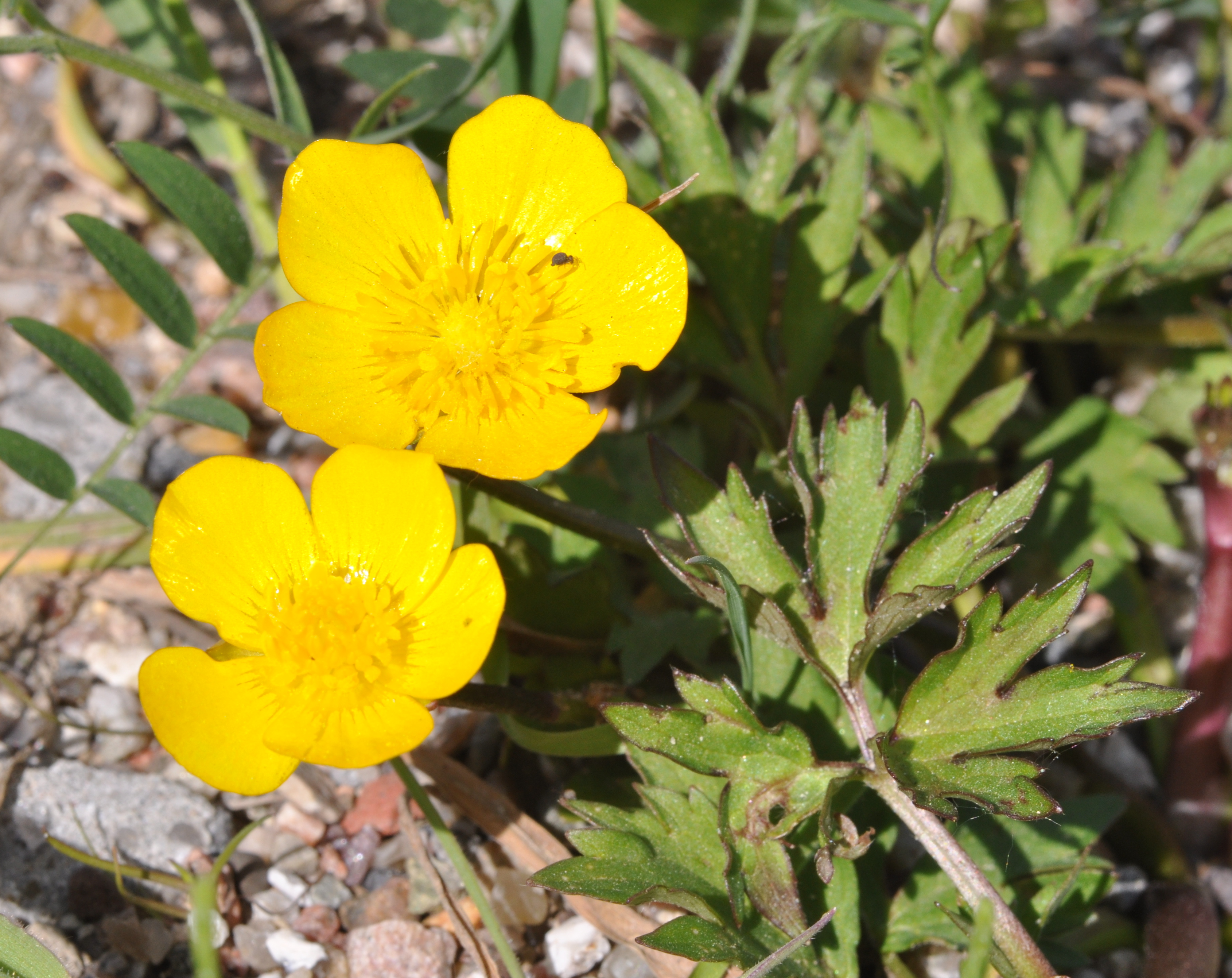
Angiosperms, also known as flowering plants, represent a diverse and widespread group of terrestrial flora. These plants are characterized by their production of flowers and fruits, which enclose their seeds—a defining feature that distinguishes them from gymnosperms. Their evolutionary success is attributed to a suite of innovations, including efficient vascular tissues and specialized reproductive structures. From the humble grass beneath your feet to the towering redwood, angiosperms underpin global food webs, provide essential resources, and shape the very landscapes we inhabit, holding a Vibe Score of 95 for their pervasive ecological and cultural significance.
🎵 Origins & History
The evolutionary genesis of angiosperms remains a subject of intense scientific inquiry. Fossil evidence suggests their emergence during the Early Cretaceous period. Early hypotheses posited their origins in tropical, humid environments, potentially linked to ancient lineages like the Magnoliales order. The discovery of fossil pollen and reproductive structures, such as those found in the Yixian Formation of China, has provided crucial insights into their early morphology and diversification. The rapid diversification of angiosperms, known as the angiosperm radiation, is a pivotal event in plant evolution, fundamentally reshaping terrestrial ecosystems.
⚙️ How It Works
The defining characteristic of angiosperms is their reproductive structure: the flower. Flowers facilitate pollination, often through animal vectors like insects and birds, or wind. Following pollination, a process of double fertilization occurs. One sperm nucleus fuses with the egg cell to form the embryo, while another fuses with the central cell to form the endosperm, a nutritive tissue that nourishes the developing embryo within the seed. The ovary, which contains the ovules, matures into a fruit, providing protection and aiding in seed dispersal. Angiosperm vascular tissue also features vessel elements in addition to tracheids, allowing for more efficient water transport, a critical adaptation for their widespread success. This intricate reproductive cycle, from floral attraction to fruit dispersal, is a marvel of biological engineering.
📊 Key Facts & Numbers
Angiosperms dominate the plant kingdom, accounting for approximately 90% of all known plant species. There are an estimated 300,000 described species, organized into around 64 orders and 416 families. The grass family alone comprises over 12,000 species, vital for global agriculture and ecosystems. In terms of biomass, angiosperms are estimated to constitute over 80% of the Earth's terrestrial plant biomass. Their economic impact is staggering, with global agriculture, primarily reliant on angiosperm crops like wheat, rice, and maize, valued in the trillions of dollars annually. The sheer scale of their presence underscores their ecological and economic indispensability.
👥 Key People & Organizations
While no single individual can be credited with 'discovering' angiosperms, the foundational work of botanists like Charles Darwin was instrumental in understanding their evolutionary significance. Darwin famously described the rapid diversification of angiosperms as an "abominable mystery." Modern research is spearheaded by numerous institutions and researchers globally, including the Royal Botanic Gardens, Kew and the Missouri Botanical Garden, which house vast collections and conduct extensive taxonomic and evolutionary studies. The International Organization for Plant Information (IOPI) works to standardize plant nomenclature and data, facilitating global research efforts. Advances in genomic sequencing and phylogenetic analysis are continuously refining our understanding of angiosperm relationships and evolution.
🌍 Cultural Impact & Influence
The cultural footprint of angiosperms is immense, woven into the fabric of human civilization. Flowers have been symbols of beauty, love, and mourning across countless cultures for millennia, from ancient Egyptian tomb paintings depicting lotus to modern floral arrangements. Staple foods like bread, pasta, and corn are derived from angiosperm grains. The development of agriculture, beginning around 10,000 BCE with the domestication of crops like emmer wheat and barley, was entirely dependent on angiosperms. Beyond sustenance, angiosperms provide materials for clothing (cotton), shelter (wood from trees), and medicine, with countless species possessing pharmacological properties, as documented in traditional herbal medicine practices worldwide. Their aesthetic value is celebrated in art, literature, and landscape design, influencing everything from Impressionist paintings to the design of public parks.
⚡ Current State & Latest Developments
In the current era, angiosperms face unprecedented challenges and are the subject of intense conservation efforts. Climate change is altering flowering times and geographic ranges, impacting pollinator populations and agricultural yields. The ongoing biodiversity crisis threatens countless angiosperm species, with estimates suggesting that up to 40% of plant species could face extinction in the coming decades. Initiatives like the Millennium Seed Bank Partnership, established by the Royal Botanic Gardens, Kew in 2000, aim to preserve the genetic diversity of angiosperms by collecting and storing seeds. Research continues into developing climate-resilient crops and understanding the complex interactions within angiosperm-dominated ecosystems, particularly in the face of habitat fragmentation and invasive species.
🤔 Controversies & Debates
One of the most persistent debates surrounding angiosperms concerns their precise evolutionary origins and the timing of their diversification. The "abominable mystery" described by Charles Darwin persists, with ongoing discussions about whether their initial radiation occurred in a single geographic center or multiple locations. Another area of contention involves the ecological impact of invasive angiosperm species, such as kudzu in the southeastern United States, which can outcompete native flora and disrupt ecosystem functions. Furthermore, the ethical considerations of genetically modifying angiosperm crops for increased yield or pest resistance remain a significant point of public and scientific debate, with concerns raised about potential unintended consequences for biodiversity and human health.
🔮 Future Outlook & Predictions
The future of angiosperms is inextricably linked to humanity's ability to address climate change and biodiversity loss. Predictive models suggest significant shifts in plant distribution by 2050, with many species requiring assisted migration or intensive conservation. Advances in synthetic biology and CRISPR technology hold promise for developing crops that are more resilient to drought, disease, and extreme temperatures, potentially averting future food crises. Researchers are also exploring the potential of underutilized angiosperm species for novel food sources and biomaterials. The continued study of angiosperm genomics and their intricate ecological relationships will be crucial for guiding conservation strategies and ensuring the long-term health of these vital plant communities.
💡 Practical Applications
The practical applications of angiosperms are vast and fundamental to human existence. Agriculture, the bedrock of civilization, relies almost entirely on angiosperm crops for food, fiber, and fuel. Examples include cereals like wheat, rice, and corn; legumes like beans and peas; fruits such as apples and bananas; and vegetables like tomatoes and potatoes. The timber industry, providing materials for construction, furniture, and paper, is dominated by angiosperm trees. Furthermore, countless angiosperms are sources of medicinal compounds, from aspirin derived from willow bark to the anti-cancer drug paclitaxel from the Pacific yew tree. Ornamental horticulture, a multi-billion dollar global industry, thrives on the aesthetic appeal of flowering angiosperms, enhancing urban and domestic environments.
Key Facts
- Category
- nature
- Type
- topic