
Contents
- 🚀 The Core of Apple's Ecosystem
- 💡 How It Works: The SoC Advantage
- 📈 Performance & Efficiency: The Big Numbers
- 🔄 Evolution: From A-Series to M-Series
- 🍎 Mac's Transformation: A Paradigm Shift
- 📱 Beyond the Mac: Powering Everything Else
- ⚡️ The Vibe: Speed, Silence, and Seamlessness
- 🤔 The Skeptic's Corner: What's the Catch?
- 🔮 The Future: What's Next for Apple Silicon?
- 💰 Pricing & Availability: Integrated Value
- Frequently Asked Questions
- Related Topics
Overview
Apple Silicon represents a seismic shift in personal computing, marking Apple's transition from Intel processors to custom-designed ARM-based System-on-Chips (SoCs). This move, initiated with the M1 chip in November 2020, has fundamentally reshaped the performance, power efficiency, and integration of Macs, iPads, and even iPhones. By controlling both hardware and software, Apple achieves unparalleled optimization, delivering industry-leading performance-per-watt and enabling new device form factors. The unified memory architecture is a key differentiator, allowing CPU, GPU, and Neural Engine to access the same data pool with minimal latency. This proprietary approach has not only boosted Apple's product appeal but also ignited intense debate about the future of the x86 architecture and the broader semiconductor industry.
🚀 The Core of Apple's Ecosystem
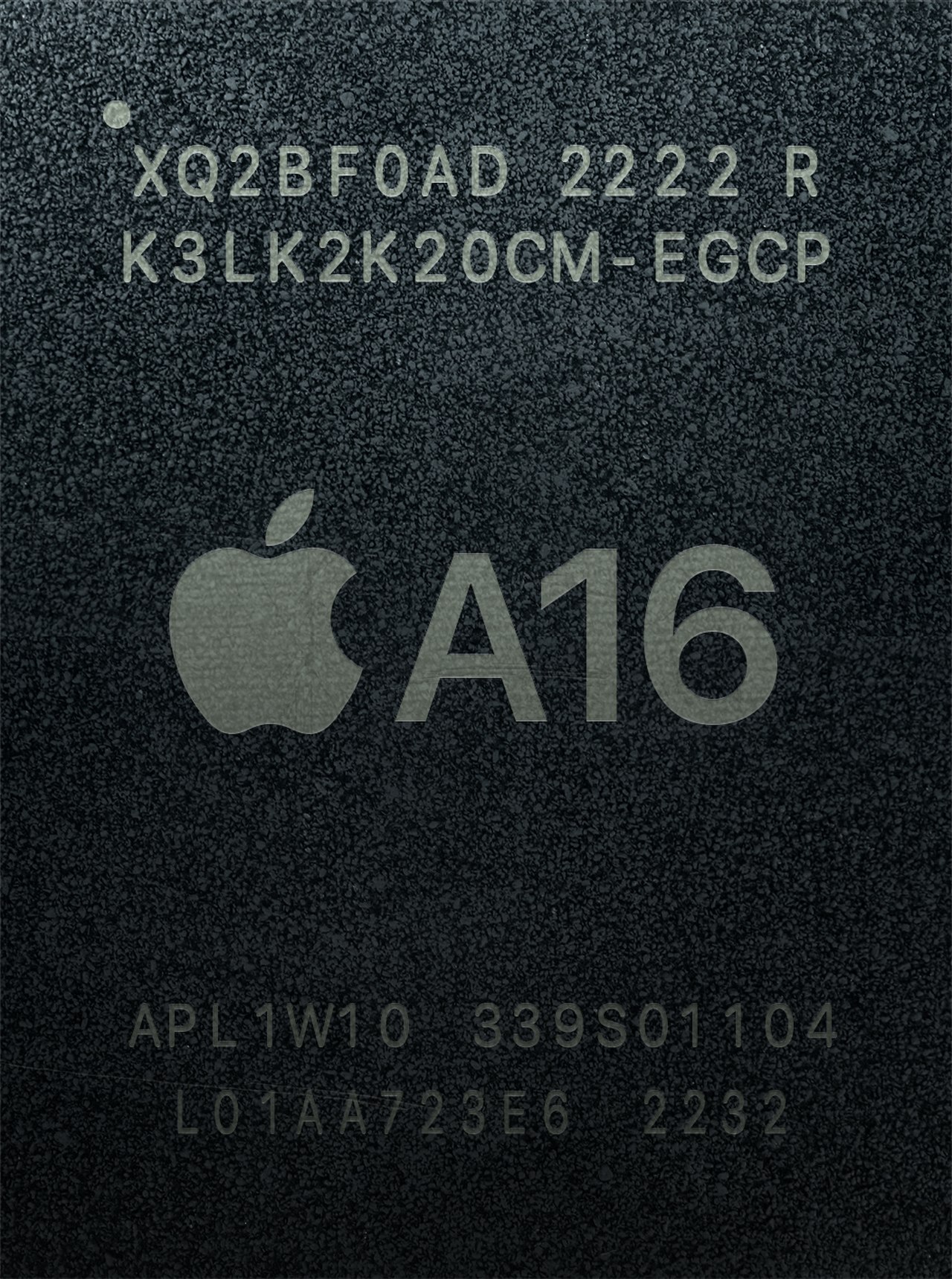
Apple Silicon isn't just a component; it's the beating heart of nearly every Apple device you can buy. From the pocket-sized iPhone to the desktop MacBook Pro, these custom-designed SoCs are the engine driving Apple's integrated hardware and software strategy. They represent a fundamental shift from relying on third-party chipmakers like Intel to controlling their own silicon destiny, a move that has profoundly reshaped the personal computing landscape since its inception.
💡 How It Works: The SoC Advantage
At its core, Apple Silicon leverages the ARM Holdings, known for its power efficiency, to integrate multiple components onto a single chip. This includes the CPU, GPU, AI accelerators, security features, and memory controllers. This 'System on a Chip' (SoC) design drastically reduces latency and power consumption compared to traditional multi-chip architectures, leading to faster performance and longer battery life across the entire Apple device family.
📈 Performance & Efficiency: The Big Numbers
The performance gains have been staggering. Early M1 Macs, for instance, often outperformed their Intel predecessors by significant margins, sometimes delivering twice the speed in benchmarks while consuming considerably less power. This efficiency translates to devices that run cooler and quieter, a stark contrast to the often-audible fan noise of older machines. The M2 and subsequent generations have continued this trend, pushing the boundaries of mobile and desktop computing performance.
🔄 Evolution: From A-Series to M-Series
The journey began with the A-series powering the iPhone and iPad, demonstrating Apple's prowess in mobile silicon design. This expertise was then strategically scaled up for the Mac with the introduction of the M1 chip in November 2020. This marked the beginning of the end for Intel in Macs, a transition that was completed remarkably quickly, showcasing Apple's commitment to its in-house silicon strategy.
🍎 Mac's Transformation: A Paradigm Shift
The Mac's reinvention under Apple Silicon is arguably its most impactful application. Laptops like the MacBook Air now offer desktop-class performance with all-day battery life, while professional machines like the Mac Studio with Ultra chips rival dedicated workstations. This has not only boosted user experience but also forced competitors to re-evaluate their own hardware-software integration strategies, creating a ripple effect across the industry.
📱 Beyond the Mac: Powering Everything Else
But Apple Silicon's reach extends far beyond the Mac. The A-series continue to evolve, powering the latest iPhones with advanced capabilities like computational photography and console-level gaming. The Apple Watch relies on specialized S-series for its health tracking and responsiveness, while even AirPods feature custom silicon for spatial audio and noise cancellation. The Apple Vision Pro also integrates powerful custom silicon to drive its immersive spatial computing experience.
⚡️ The Vibe: Speed, Silence, and Seamlessness
The 'vibe' of Apple Silicon is one of effortless power. Users experience near-instantaneous app launches, smooth multitasking, and the ability to handle demanding tasks like video editing or 3D rendering without breaking a sweat. This is coupled with a remarkable quietness; many Macs can operate under heavy load without their fans spinning up audibly. This seamless integration creates a user experience that feels both powerful and unobtrusive, a hallmark of Apple's design philosophy.
🤔 The Skeptic's Corner: What's the Catch?
While the benefits are clear, the controversy lies in Apple's tight ecosystem control. The reliance on custom silicon means users are largely locked into Apple's hardware and software. While this enables optimization, it also limits repairability and third-party hardware customization. Furthermore, the performance gains, while impressive, can sometimes be attributed to aggressive software optimization that may not translate directly to non-Apple platforms, leading to debates about true cross-platform parity.
🔮 The Future: What's Next for Apple Silicon?
The future of Apple Silicon appears to be one of continued specialization and increased integration. We can expect further performance leaps with next-generation M-series chips and beyond, potentially incorporating even more advanced AI capabilities and specialized cores for emerging technologies like AR. Apple's ongoing investment in chip design suggests a long-term vision of creating increasingly powerful, efficient, and unique computing experiences that further differentiate its product ecosystem.
💰 Pricing & Availability: Integrated Value
Apple Silicon is not sold separately; it's an integral part of the devices it powers. Therefore, 'pricing' is tied to the cost of the Macs, iPhones, iPads, and other Apple products. Generally, devices featuring higher-tier Apple Silicon (e.g., M2 Pro, M2 Max, M2 Ultra) command a premium price. However, when considering the integrated performance, efficiency, and longevity, many users find the overall value proposition compelling, especially when compared to the total cost of ownership for comparable Windows PCs or Android devices.
Key Facts
- Year
- 2020
- Origin
- Apple Inc.
- Category
- Technology
- Type
- Technology Platform
Frequently Asked Questions
Is Apple Silicon compatible with all Mac software?
Most Mac software runs on Apple Silicon through Rosetta 2, a translation layer that allows Intel-based apps to run. Native Apple Silicon apps offer the best performance. Apple actively encourages developers to recompile their software for native support, and the vast majority of popular applications are now optimized.
Can I upgrade the RAM or storage on an Apple Silicon Mac?
No, unlike many traditional PCs, Apple Silicon Macs feature unified memory and storage that are integrated directly onto the SoC. This design contributes to performance and efficiency but means that RAM and SSD upgrades are not possible after purchase. You must select the desired configuration at the time of buying.
How does Apple Silicon compare to Intel processors?
Apple Silicon generally offers superior performance-per-watt compared to Intel processors. This means faster speeds and better graphics for less power consumption, leading to longer battery life and cooler operation. Intel Macs were phased out by Apple starting in 2020.
What is the Neural Engine in Apple Silicon?
The Neural Engine is a specialized part of the Apple Silicon SoC designed to accelerate machine learning and artificial intelligence tasks. It powers features like facial recognition, voice processing (Siri), image analysis, and advanced computational photography, making these operations significantly faster and more efficient.
Does Apple Silicon support external GPUs?
No, Apple Silicon Macs do not support external GPUs (eGPUs). The integrated GPU within the Apple Silicon SoC is designed to be the primary graphics processor. While powerful, this limitation restricts users who might have relied on eGPUs for specific high-end graphics workloads.
What does 'unified memory' mean for Apple Silicon?
Unified memory means that the CPU, GPU, and other processing cores on the Apple Silicon chip all share the same pool of high-bandwidth, low-latency memory. This eliminates the need to copy data between separate memory pools, significantly boosting performance and efficiency for tasks that utilize both the CPU and GPU.