
Contents
Overview
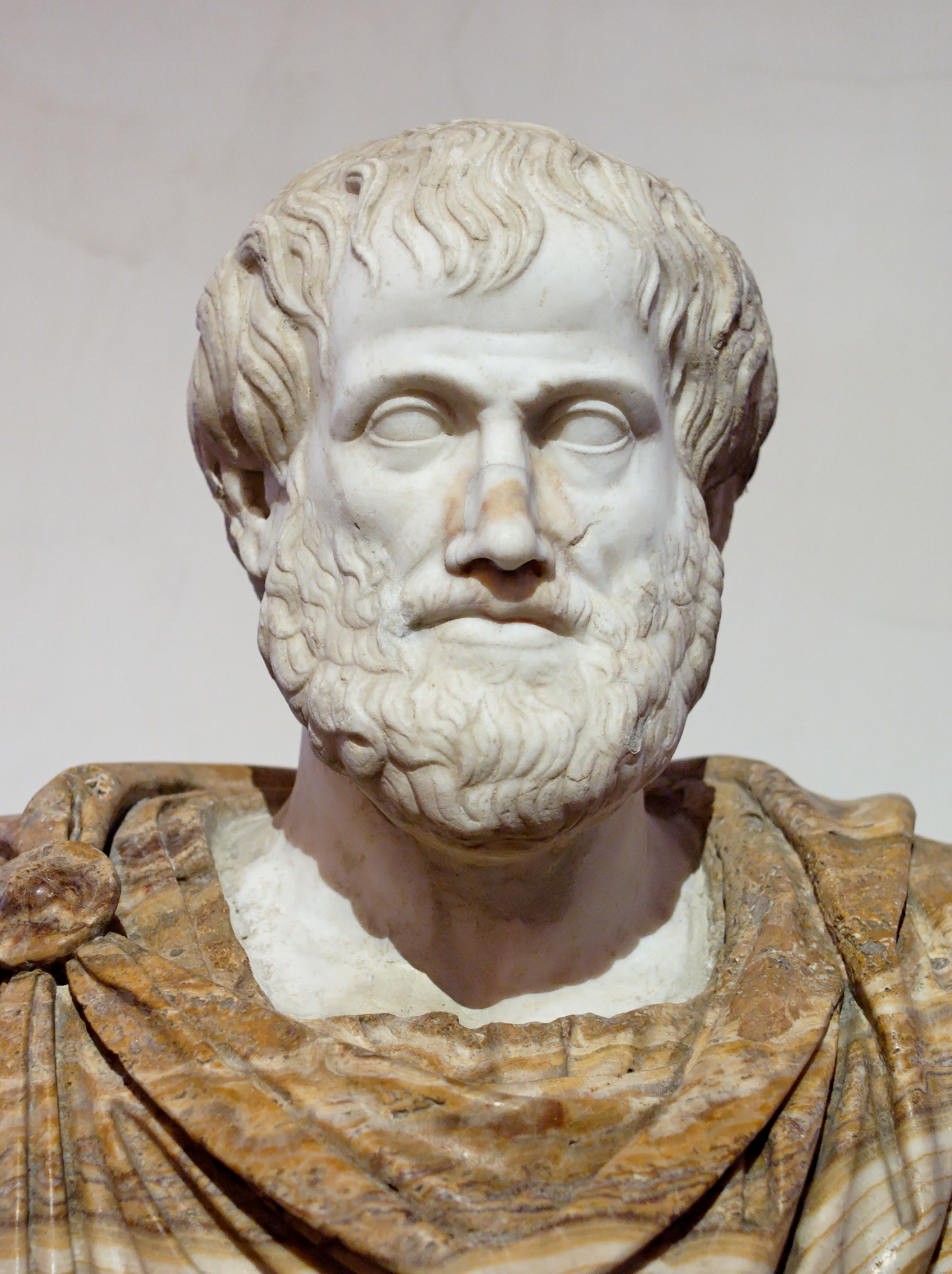
Aristotle was born in the city of Stagira in northern Greece during the Classical period, around 384 BC. His father, Nicomachus, died when Aristotle was a child, and he was brought up by a guardian. At around eighteen years old, he joined Plato's Academy in Athens and remained there until the age of thirty-seven (c. 347 BC), where he was heavily influenced by Socrates and Plato. Shortly after Plato died, Aristotle left Athens and, at the request of Philip II of Macedon, tutored his son Alexander the Great beginning in 343 BC.
💡 Philosophical Contributions
Aristotle's philosophical contributions are vast and diverse, spanning from metaphysics to biology. He is known for his concept of telos, or the idea that everything has a purpose or goal. His work in logic and reasoning laid the foundation for modern scientific inquiry, and his ideas on ethics and politics continue to shape contemporary debates. Aristotle's influence can be seen in the works of later philosophers, such as Immanuel Kant and Friedrich Nietzsche.
📖 Legacy & Influence
Aristotle's legacy extends far beyond his own time and place. He established a library in the Lyceum in Athens, which became a hub for intellectual inquiry and discovery. His writings, which were compiled by his students, include works such as Posterior Analytics and Nicomachean Ethics. Aristotle's ideas have had a profound impact on Western philosophy, and his influence can be seen in the works of Thomas Aquinas and René Descartes.
🔍 Criticisms & Controversies
Despite his significant contributions to philosophy and science, Aristotle's ideas have not been without criticism and controversy. Some have argued that his views on women and slavery are problematic and reflect the biases of his time. Others have challenged his ideas on biology and physics, which have been superseded by modern scientific discoveries. Nevertheless, Aristotle's work remains a cornerstone of Western philosophy, and his influence can be seen in many areas of contemporary thought, including science, ethics, and politics.
Key Facts
- Year
- 384-322 BC
- Origin
- Stagira, Greece
- Category
- philosophy
- Type
- person
Frequently Asked Questions
What is Aristotle's concept of telos?
Aristotle's concept of telos refers to the idea that everything has a purpose or goal. This idea is central to his philosophy and is reflected in his ideas on ethics, politics, and biology. For example, in his work Nicomachean Ethics, Aristotle argues that the telos of human life is to achieve happiness and fulfillment through living a virtuous life. This idea has been influential in the development of Western philosophy, and can be seen in the works of later philosophers such as Immanuel Kant and Friedrich Nietzsche.
What is Aristotle's legacy in modern science?
Aristotle's legacy in modern science is significant. His work in logic and reasoning laid the foundation for modern scientific inquiry, and his ideas on biology and physics have been built upon by later scientists. For example, his idea of taxonomy and classification of living things has been influential in the development of modern biology. Additionally, his concept of causality has been important in the development of modern physics. Aristotle's influence can be seen in the works of scientists such as Galileo Galilei and Isaac Newton.
What are some criticisms of Aristotle's ideas?
Some criticisms of Aristotle's ideas include his views on women and slavery, which are seen as problematic and reflective of the biases of his time. Additionally, some have challenged his ideas on biology and physics, which have been superseded by modern scientific discoveries. For example, his idea of essentialism has been criticized for being overly simplistic and not accounting for the complexity of living things. Nevertheless, Aristotle's work remains a cornerstone of Western philosophy, and his influence can be seen in many areas of contemporary thought, including science, ethics, and politics.
How did Aristotle's ideas influence Western philosophy?
Aristotle's ideas have had a profound impact on Western philosophy. His concept of telos and his ideas on ethics and politics have been influential in the development of Western thought. For example, his idea of the mean and the concept of virtue have been influential in the development of Western ethics. Additionally, his idea of the polis and the concept of citizenship have been influential in the development of Western politics. Aristotle's influence can be seen in the works of philosophers such as Thomas Aquinas and John Locke.
What is the significance of Aristotle's work in the Lyceum?
Aristotle's work in the Lyceum in Athens was significant because it established a hub for intellectual inquiry and discovery. The Lyceum became a center for learning and discussion, and Aristotle's ideas were disseminated to a wide audience. Additionally, the Lyceum was a place where Aristotle could conduct his research and experiments, and it was there that he developed many of his ideas on biology and physics. The Lyceum's influence can be seen in the development of Western education and the establishment of universities, such as the University of Oxford and the University of Cambridge.