
Contents
Overview
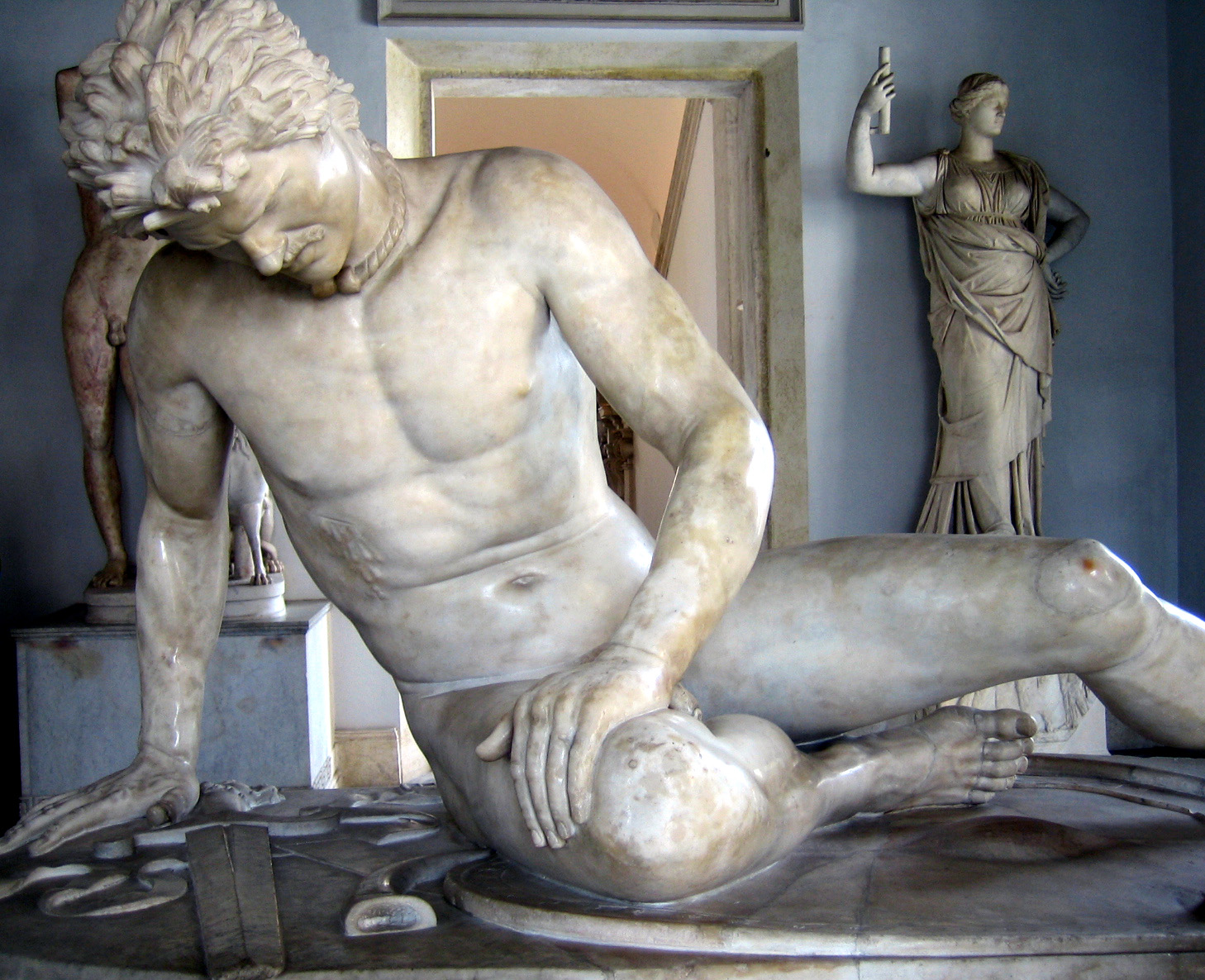
The origins of sculpture stretch back to prehistory, with some of the earliest known examples being the Venus figurines, such as the Venus of Willendorf, carved from limestone. Ancient civilizations like the Ancient Egyptians developed sophisticated techniques for carving colossal statues from granite and basalt, often for funerary or religious purposes, exemplified by the Great Sphinx of Giza. The Ancient Greeks elevated sculpture to new heights of naturalism and idealism, mastering bronze casting and marble carving, producing iconic works like the Discobolus and the Elgin Marbles. Roman sculptors largely adopted Greek styles but focused more on portraiture and historical reliefs, as seen in the Column of Trajan. The medieval period saw sculpture integrated into architecture, particularly in Gothic cathedrals, while the Renaissance, spearheaded by artists like Donatello and Michelangelo, revived classical ideals with unprecedented technical mastery in marble and bronze.
⚙️ How It Works
Sculpture fundamentally involves manipulating materials in three-dimensional space. The subtractive process, or carving, involves removing material from a larger block, as seen when Michelangelo carved the David from a single block of marble. The additive process, or modeling, involves building up form, typically with pliable materials like clay or wax, which can then be used to create molds for casting in bronze or other metals. Assemblage, a technique popularized in the 20th century by artists like Pablo Picasso and Robert Rauschenberg, involves joining disparate found objects or pre-existing materials. Casting, a method used since antiquity, involves pouring molten material into a mold, allowing for the replication of complex forms. Modern and contemporary sculpture also embraces ephemeral materials, digital fabrication, and site-specific installations.
📊 Key Facts & Numbers
Marble remains a premium material. Bronze casting can add significant cost to a sculpture due to the labor and material involved. The average price for a mid-career sculptor's work can range widely, while established artists can command high prices. Damien Hirst's 'For the Love of God' (a diamond-encrusted skull) is reportedly valued at $100 million.
👥 Key People & Organizations
Key figures in sculpture span millennia. In antiquity, Phidias was a master sculptor of Classical Greece, overseeing the decoration of the Parthenon. During the Renaissance, Donatello's bronze David and Michelangelo's marble Pietà redefined the art form. The Baroque era produced masters like Gian Lorenzo Bernini, known for his dynamic marble works. Modernism saw pioneers like Auguste Rodin ('The Thinker') and Constantin Brancusi explore abstraction. Post-war, artists such as Louise Bourgeois, Henry Moore, and Isamu Noguchi pushed boundaries. Major institutions like the Metropolitan Museum of Art and the Tate Modern house vast collections and champion contemporary sculptors.
🌍 Cultural Impact & Influence
Sculpture has profoundly shaped human culture, serving as a vehicle for religious devotion, political propaganda, and personal expression. From the monumental statues of ancient deities to the public monuments commemorating historical figures like Abraham Lincoln, sculpture has visually narrated societal values and power structures. The Renaissance revival of classical sculpture directly influenced Western aesthetics for centuries. In the 20th century, abstract sculpture by artists like Barbara Hepworth and Alexander Calder challenged traditional notions of representation, impacting design and architecture. Public art installations, a modern manifestation of sculpture, now animate urban spaces globally, fostering community engagement and aesthetic dialogue.
⚡ Current State & Latest Developments
Contemporary sculpture is characterized by an explosion of materials and conceptual approaches. Digital fabrication technologies, including 3D printing and CNC milling, are increasingly utilized by artists like Antony Gormley and Urs Fischer to create intricate and large-scale works. Kinetic sculpture, which incorporates movement, continues to evolve with artists like Jean Tinguely's mechanical contraptions. Environmental and land art, pioneered by figures like Robert Smithson with his Spiral Jetty, engage directly with natural landscapes. The rise of virtual reality and augmented reality is also opening new frontiers for sculptural experiences, allowing for digital sculptures that exist only in virtual space.
🤔 Controversies & Debates
Debates surrounding sculpture often center on its definition and value. The transition from traditional materials like marble and bronze to found objects and ephemeral installations has sparked discussions about what constitutes 'real' sculpture. Conceptual sculpture, where the idea behind the work is paramount, sometimes clashes with traditional aesthetic appreciation, leading to criticisms of elitism or lack of skill. The placement and interpretation of public sculptures can also be contentious, with debates over historical representation, vandalism, and the aesthetic impact on urban environments. The high market value of some contemporary sculptures also raises questions about art as an investment versus its intrinsic artistic merit.
🔮 Future Outlook & Predictions
The future of sculpture is likely to be defined by further integration with technology and a continued expansion of its material and conceptual boundaries. Advances in AI and robotics may enable new forms of automated creation and interactive installations. The growing emphasis on sustainability will likely drive sculptors to explore recycled materials and environmentally conscious practices. Site-specific and ephemeral works, designed to interact with their surroundings and exist for limited periods, will probably become more prevalent. Furthermore, the metaverse and virtual reality platforms offer unprecedented opportunities for creating and experiencing digital sculptures, potentially democratizing access to three-dimensional art forms.
💡 Practical Applications
Sculpture finds practical application across numerous fields. In architecture, sculptural elements enhance aesthetic appeal and structural integrity. Public art programs commission sculptures for parks, plazas, and civic buildings, aiming to beautify urban environments and foster civic pride. In product design, principles of form, balance, and material manipulation derived from sculpture are applied to create functional objects. The entertainment industry utilizes sculptural techniques for creating props, sets, and special effects for films and theme parks. Even in fields like prosthetics and medical modeling, the understanding of three-dimensional form is crucial.
Key Facts
- Category
- aesthetics
- Type
- concept