
Contents
Overview
The concept of a pillow supporting the head and neck has ancient roots. However, the specific design and marketing of pillows tailored for back sleepers is a much more recent phenomenon. Early orthopedic pillows, while not exclusively for back sleepers, began to address specific support needs. Brands like Tempur-Pedic, which popularized memory foam, played a significant role in developing contouring pillow technologies that benefited back sleepers by conforming to their unique neck curves. The proliferation of sleep science research and direct-to-consumer bedding companies in the 21st century has further refined and diversified the back sleeper pillow market, with numerous brands now explicitly marketing their products for this sleeping position.
⚙️ How It Works
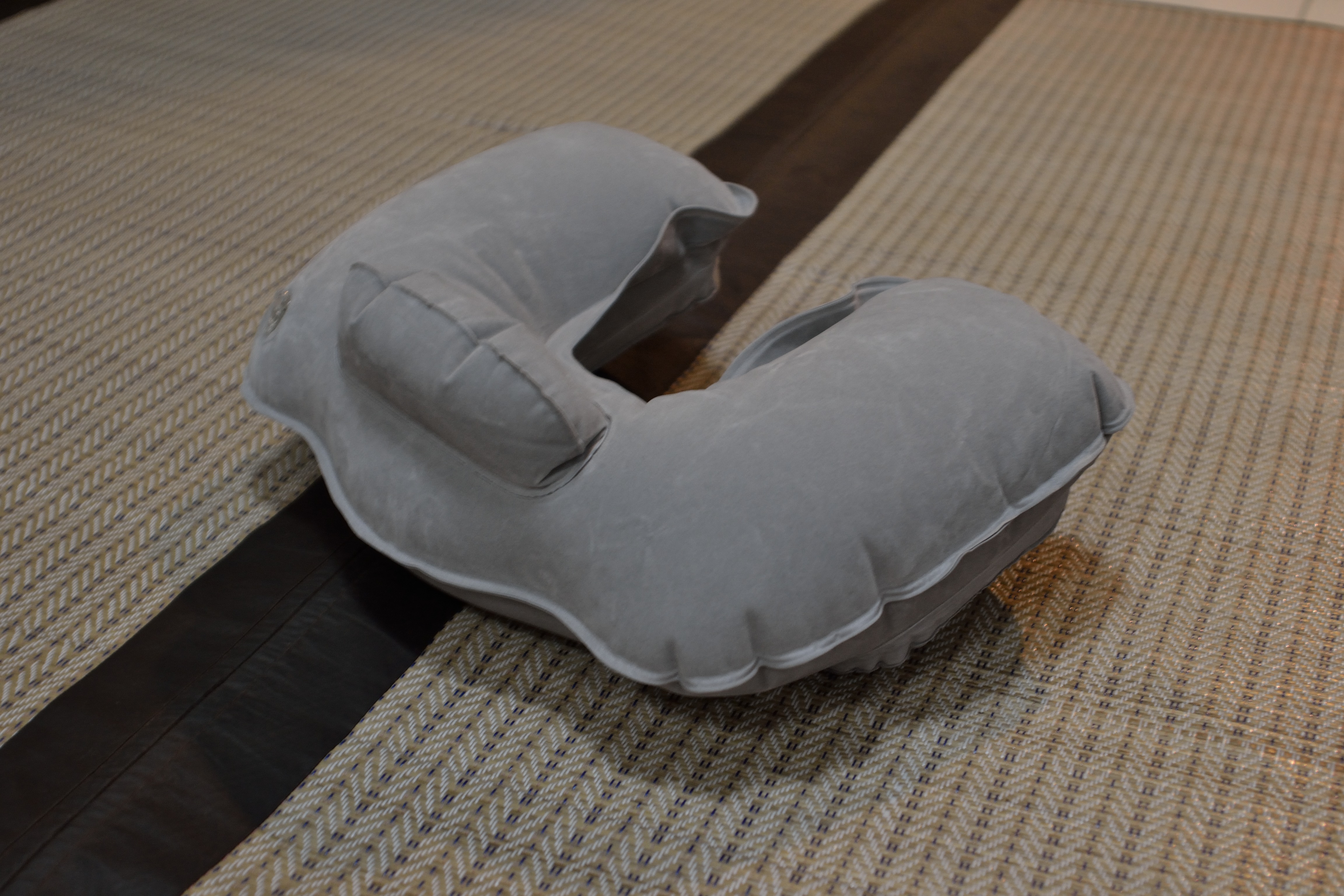
A back sleeper pillow functions by filling the space between the head and the mattress to maintain a neutral cervical spine alignment. The ideal pillow for a back sleeper typically has a lower to medium loft (height) and medium firmness. A pillow that is too high will force the head upwards, straining the neck, while one that is too soft will allow the head to sink, creating a similar misalignment. Materials like shredded memory foam or latex allow for contouring and adjustability, while solid memory foam or supportive polyfill can provide consistent support. Some designs incorporate a cervical or U-shaped contour to specifically cradle the neck's natural curve, enhancing support and promoting relaxation for the muscles in the neck and shoulders.
📊 Key Facts & Numbers
The global pillow market, which includes back sleeper pillows, represents a significant and growing segment. Studies suggest that around 54% of adults sleep on their back at least occasionally, and a substantial portion of these individuals seek specialized pillows. For example, one survey indicated that over 60% of consumers consider pillow type a critical factor in sleep quality. The average price for a high-quality back sleeper pillow can range from $50 to $150, with premium models incorporating advanced materials or cooling technologies exceeding $200.
👥 Key People & Organizations
While no single inventor is solely credited with the 'back sleeper pillow,' key figures and organizations in sleep science and bedding innovation have shaped its development. Dr. James Maas, a sleep scientist and author of 'Power Sleep,' has extensively researched sleep posture and its impact on health, indirectly advocating for supportive sleep surfaces. Companies like Tempur-Pedic pioneered the widespread use of viscoelastic foam, revolutionizing pillow technology. More recently, direct-to-consumer brands such as Brooklinen (founded 2014) and Helix Sleep (founded 2015) have focused on personalized sleep solutions, including pillows specifically engineered for different sleeping positions, often using advanced materials and online customization tools. The National Sleep Foundation also plays a role in educating consumers about proper sleep hygiene, including pillow selection.
🌍 Cultural Impact & Influence
The cultural significance of the back sleeper pillow lies in its contribution to the broader wellness and self-care movement. As awareness of sleep's impact on physical and mental health has grown, so has the demand for products that optimize sleep. Back sleeper pillows, by addressing a specific physiological need for spinal alignment, have become symbols of proactive health management. They are frequently featured in lifestyle blogs, wellness magazines, and on social media platforms like Instagram and TikTok, often presented as essential tools for achieving restorative sleep and preventing common ailments like neck pain. This visibility has elevated the pillow from a mere bedding accessory to a critical component of a healthy lifestyle, influencing consumer purchasing decisions and driving innovation in the bedding industry.
⚡ Current State & Latest Developments
The current landscape for back sleeper pillows is characterized by intense competition and rapid material innovation. Brands are increasingly focusing on cooling technologies, such as gel-infused foams or breathable covers, to address a common complaint among back sleepers who may experience overheating. Personalization is also a major trend, with many companies offering online quizzes to help consumers select the ideal pillow loft and firmness based on their body weight, sleeping habits, and mattress type. For instance, Helix Sleep's customizable pillow options allow users to specify their preferred firmness and loft. Furthermore, the integration of smart technology into bedding, while still nascent, is beginning to influence pillow design, with some prototypes exploring features like sleep tracking or gentle vibration for sleep induction. The direct-to-consumer model continues to dominate, allowing brands to offer competitive pricing and direct customer engagement.
🤔 Controversies & Debates
A significant debate surrounds the 'one-size-fits-all' approach to back sleeper pillows. While general guidelines exist for loft and firmness, individual needs vary greatly based on factors like body weight, shoulder width, and mattress firmness. A heavier individual might require a firmer, higher loft pillow than a lighter individual to achieve the same level of support. Critics argue that many commercially available pillows, even those marketed for back sleepers, fail to account for this variability, potentially leading to discomfort or exacerbating existing neck issues. Another point of contention is the efficacy of specific materials; while memory foam offers contouring, some users find it retains heat or has an off-gassing odor. The environmental impact of synthetic materials and the ethical sourcing of down also present ongoing debates within the industry.
🔮 Future Outlook & Predictions
The future of back sleeper pillows is likely to be driven by hyper-personalization and advanced material science. Expect to see more AI-driven recommendations based on detailed user profiles and even biometric data. The integration of cooling technologies will become standard, moving beyond simple gel infusions to more sophisticated phase-change materials or active cooling systems. Biodegradable and sustainable materials will gain prominence as consumer demand for eco-friendly products increases, potentially leading to innovations in plant-based foams or recycled fill materials. Furthermore, the concept of the 'smart pillow' will likely mature, offering integrated sleep tracking, personalized firmness adjustments, and even therapeutic features like gentle massage or sound therapy, moving beyond passive support to active sleep enhancement.
💡 Practical Applications
Back sleeper pillows have direct practical applications in managing and preventing neck and back pain. For individuals suffering from conditions like cervical spondylosis, herniated discs, or general stiffness, a properly chosen pillow can significantly alleviate discomfort and improve sleep quality. They are also recommended for post-operative recovery, particularly after neck or shoulder surgery, to ensure proper alignment and reduce strain. In physical therapy and chiropractic settings, these pillows are often recommended as part of a comprehensive treatment plan for musculoskeletal issues related to sleep posture. Athletes and individuals engaged in physically demanding activities may also use them to optimize recovery during sleep, ensuring their bodies are properly supported and aligned for muscle repair.
Key Facts
- Category
- aesthetics
- Type
- topic