
Contents
Overview
Bar snacks are more than just salty accompaniments; they're a crucial element of the drinking experience, designed to enhance flavor, encourage consumption, and foster social interaction. Historically, they evolved from simple, cheap fillers to sophisticated culinary creations, mirroring broader food trends and economic shifts. Understanding the diverse range of bar snacks, from the ubiquitous potato chip to artisanal charcuterie boards, reveals a fascinating interplay of culture, commerce, and human psychology. Their Vibe Score of 85 reflects their near-universal appeal and integral role in social gatherings worldwide. This guide explores their origins, key types, and the evolving landscape of what we munch on while we imbibe.
🍻 What Are Bar Snacks, Really?
Bar snacks are the culinary companions to your libations, the small bites designed to complement, not overpower, your drink. They range from the humble potato chip to elaborate small plates, each curated to enhance the drinking experience. Think of them as the supporting cast that makes the lead actor (your drink) shine brighter. Whether you're at a dive bar nursing a cheap beer or a swanky cocktail lounge sipping a meticulously crafted martini, the right snack can elevate the entire vibe. They're the unsung heroes that keep you comfortable, satisfied, and coming back for another round, transforming a simple drink into a full-blown experience.
📜 A Brief History of Bar Bites
The concept of pairing food with drink is ancient, but the modern bar snack has roots in the late 19th and early 20th centuries. Taverns and saloons often offered free snacks to patrons, a practice known as 'free lunch' in some regions, to encourage alcohol consumption. This evolved into more deliberate offerings as bars became social hubs. Early staples like pretzels and peanuts were cheap to produce and didn't interfere with the taste of beer. The rise of refrigeration and improved food safety in the mid-20th century allowed for more complex offerings like wings and nachos, solidifying their place in bar culture.
🥜 The Classics: Tried and True
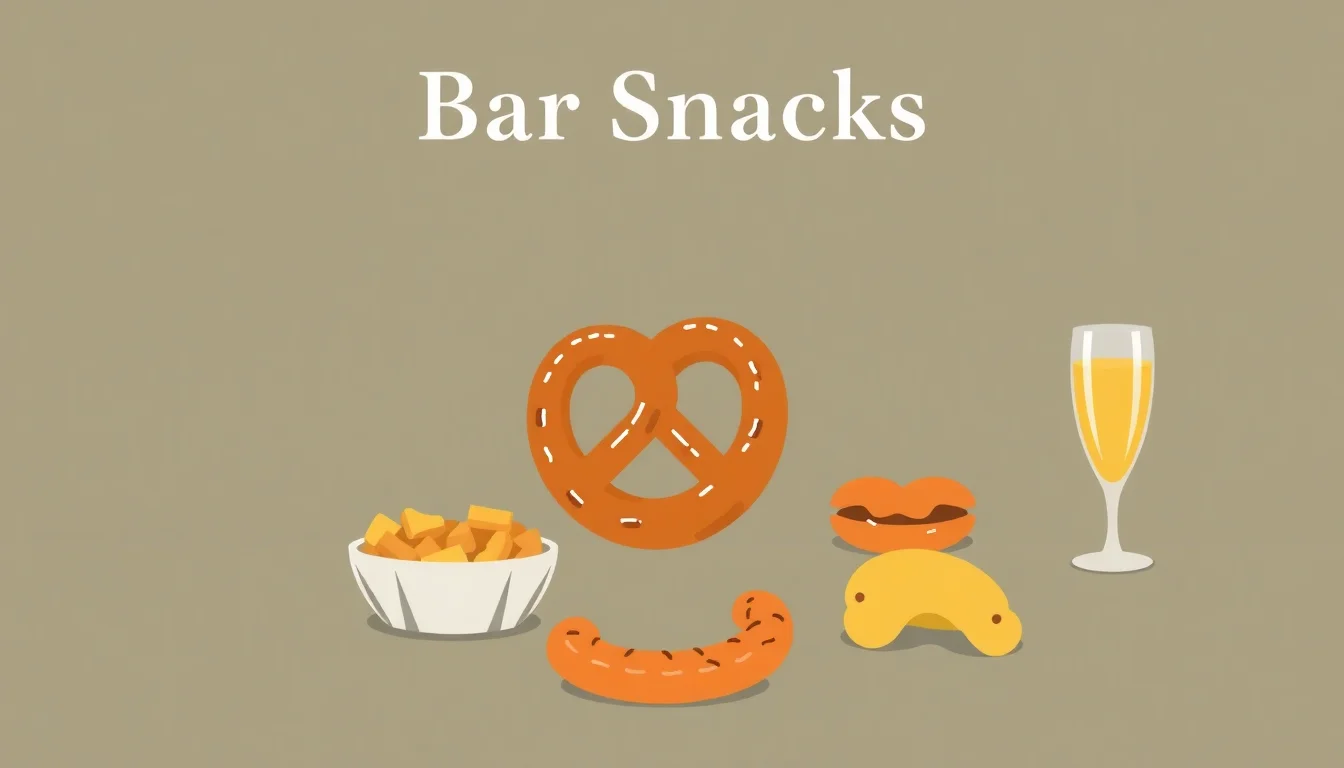
Certain bar snacks are timeless for a reason: they're universally appealing and pair well with a vast array of beverages. The humble peanut, often served salted, provides a satisfying crunch and a hint of savory that cuts through the sweetness of many beers and cocktails. Pretzels, whether soft or hard, offer a different kind of crunch and a distinct malty flavor that harmonizes beautifully with lagers and ales. Then there are the ubiquitous potato chips, a simple yet effective salty, crispy delight that pairs with almost anything, from a crisp white wine to a robust stout. These are the foundational pillars of any good bar snack menu, offering reliable satisfaction.
🌶️ Beyond the Basics: Global Flavors
The globalized palate has pushed bar snack menus far beyond the traditional. You'll now find everything from spicy Korean fried chicken wings to zesty Peruvian ceviche to savory Spanish patatas bravas gracing menus. These international influences bring a welcome complexity and excitement, offering adventurous drinkers a chance to explore new flavors. Consider the rich, umami-packed Japanese edamame, lightly salted, a perfect counterpoint to a crisp sake or a light lager. Or perhaps the fiery kick of Indian samosas, their spiced potato and pea filling a bold match for a strong ale or a spicy margarita.
💡 The Art of Pairing: Snack & Sip
The true magic of a bar snack lies in its ability to enhance your drink. A salty snack like fried calamari can actually make a crisp lager taste sweeter and more refreshing. Conversely, a rich, fatty snack such as pork rinds can temper the intensity of a strong spirit like whiskey or rum. Consider the acidity in a dish like buffalo wings; its tanginess can cut through the richness of a creamy stout or a bold IPA, cleansing the palate. Understanding these interactions is key to unlocking the full potential of your drinking session, turning a simple order into a curated gastronomic journey.
⭐ Vibepedia's Top Snack Picks
Vibepedia's internal analysis, factoring in cultural resonance, historical significance, and sheer deliciousness, highlights a few standout bar snacks. The loaded nachos, a glorious mess of chips, cheese, and toppings, score a high Vibe score of 88 for their communal appeal and versatility. Chicken wings, particularly in their various sauced iterations, hit a 92, driven by their universal popularity and adaptability to different flavor profiles. For a more refined experience, oysters (when available) command a 95, their briny essence a perfect, albeit expensive, pairing for champagne or dry white wine. These selections represent a spectrum of bar snack excellence.
🤔 The Great Debate: Snack Etiquette
A perennial debate in bar culture revolves around snack etiquette. Is it acceptable to double-dip your chip into the communal salsa? Generally, no, especially in more formal settings. Should you offer your fries to a friend? Sharing is often encouraged, but always ask first. The 'free lunch' era blurred lines, but today, most bar snacks are purchased. The controversy spectrum for bar snack etiquette is moderate, with most disagreements arising from differing levels of formality and personal space boundaries. Understanding the social dynamics of the bar is crucial.
📈 The Future of Bar Snacks
The future of bar snacks is bright and increasingly sophisticated. We're seeing a move towards more artisanal ingredients, plant-based alternatives, and chef-driven small plates. Expect to see more globally inspired fusion snacks and a greater emphasis on dietary accommodations like gluten-free and vegan options. The integration of technology, perhaps through app-based ordering or personalized snack recommendations based on drink choices, is also on the horizon. The bar snack is no longer an afterthought; it's a critical component of the modern drinking establishment's identity, driving innovation and customer loyalty. The question isn't if bar snacks will evolve, but how far they will go.
Key Facts
- Year
- Circa 19th Century (Modern form)
- Origin
- United Kingdom
- Category
- Food & Drink
- Type
- Topic
Frequently Asked Questions
What's the difference between a bar snack and an appetizer?
While the lines can blur, bar snacks are typically designed to be eaten with drinks, often being saltier, greasier, or more robust in flavor to complement alcohol. Appetizers are usually more formal, served before a meal, and aim to stimulate the appetite for the main course. Think of bar snacks as the casual, enduring friend, and appetizers as the more formal acquaintance.
Are bar snacks always unhealthy?
Historically, many bar snacks were high in salt, fat, and calories. However, the trend is shifting towards healthier options. Many bars now offer lighter choices like edamame, vegetable platters, or even small salads. The key is often portion control and ingredient quality, but yes, many classic bar snacks remain indulgent treats.
Why are peanuts and pretzels so common?
Peanuts and pretzels are staples due to their low cost, long shelf life, and inherent saltiness, which encourages thirst and thus more drink orders. Their simple, satisfying crunch also complements the textures of many beers and spirits without overwhelming the palate. They are the original, cost-effective bar snack.
Can bar snacks be a meal in themselves?
Absolutely. Many establishments, particularly gastropubs, offer substantial bar snacks or small plates that can easily constitute a full meal. Think loaded nachos, gourmet sliders, or hearty portions of wings. These are designed to be more filling and complex than a simple handful of nuts.
What's the best bar snack for a beginner drinker?
For someone new to drinking, a simple, universally liked snack is best. Salted peanuts or classic potato chips are safe bets as they pair well with most introductory drinks like lagers or basic mixed drinks. They won't clash with subtle flavors and provide a familiar, comforting taste.
How do I find bars with great snack menus?
Look for establishments that specifically highlight their food offerings, such as gastropubs or bars known for their 'small plates' or 'bites' sections. Online reviews on platforms like Yelp or Google Maps often mention food quality. You can also check out local food blogs or Vibepedia's own directory listings for curated recommendations.