
Contents
Overview
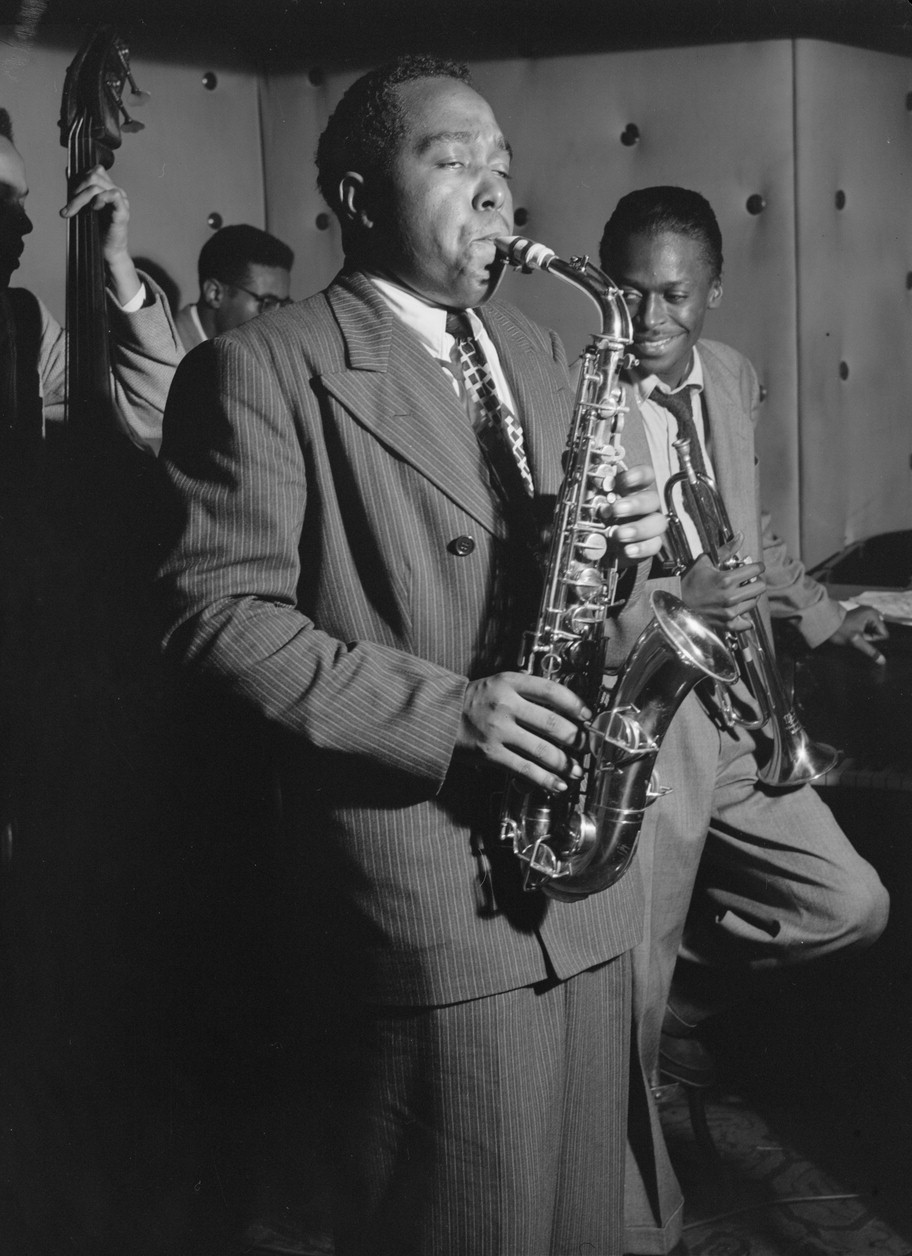
Bebop, a revolutionary jazz style that emerged in the 1940s, transformed the musical landscape through its complex harmonies and fast tempos. Key figures like Charlie Parker and Dizzy Gillespie led the charge, moving away from the dance-oriented swing towards a more improvisational and artistically challenging form. This genre not only influenced subsequent jazz styles but also permeated popular music and culture, setting the stage for modern jazz and beyond.
🎬 Behind the Scenes
Bebop's roots trace back to the late 1930s, with artists like Thelonious Monk and Kenny Clarke experimenting with rhythm and melody. By the mid-1940s, bebop became fully realized as a distinct genre, characterized by intricate chord progressions and fast-paced improvisation. Venues like Minton's Playhouse in Harlem served as incubators for this music, fostering a new generation of musicians who would redefine jazz.
📖 The Story
The sound of bebop is defined by complex melodies, asymmetrical phrasing, and an emphasis on improvisation. Landmark recordings such as Parker's "Ko-Ko" and Gillespie's "Salt Peanuts" showcased the genre's signature style. These pieces often featured fast tempos and unusual chord changes, challenging musicians to push their technical skills to new heights. Bebop's focus on artistic expression over commercial viability marked a significant cultural shift.
🏆 Reception & Impact
Bebop faced criticism from some traditionalists who viewed it as too abstract or disconnected from the roots of jazz. Nevertheless, the genre received acclaim from critics, and many of its pioneers won prestigious awards, including Grammy Awards and the American Jazz Hall of Fame recognition. Its cultural impact is undeniable, influencing not only jazz but also rock and hip-hop, as seen in the works of artists like Herbie Hancock and Miles Davis.
✨ Legacy & Influence
The legacy of bebop is immense, laying the groundwork for later developments like cool jazz and hard bop. Its emphasis on improvisation and musical sophistication continues to inspire musicians today. The genre's influence can be heard in contemporary artists and even in popular music, demonstrating its enduring relevance in the landscape of American music.
Key Facts
- Year
- 1940s-present
- Origin
- United States
- Category
- videos
- Type
- youtube-creator
Frequently Asked Questions
What are the main characteristics of bebop?
Bebop is known for its fast tempos, complex chord progressions, and emphasis on improvisation.
Who are the key figures in bebop?
Notable bebop musicians include Charlie Parker, Dizzy Gillespie, and Thelonious Monk.
How did bebop influence other music genres?
Bebop's focus on improvisation and complexity influenced jazz fusion, rock, and hip-hop artists.