
Contents
Overview
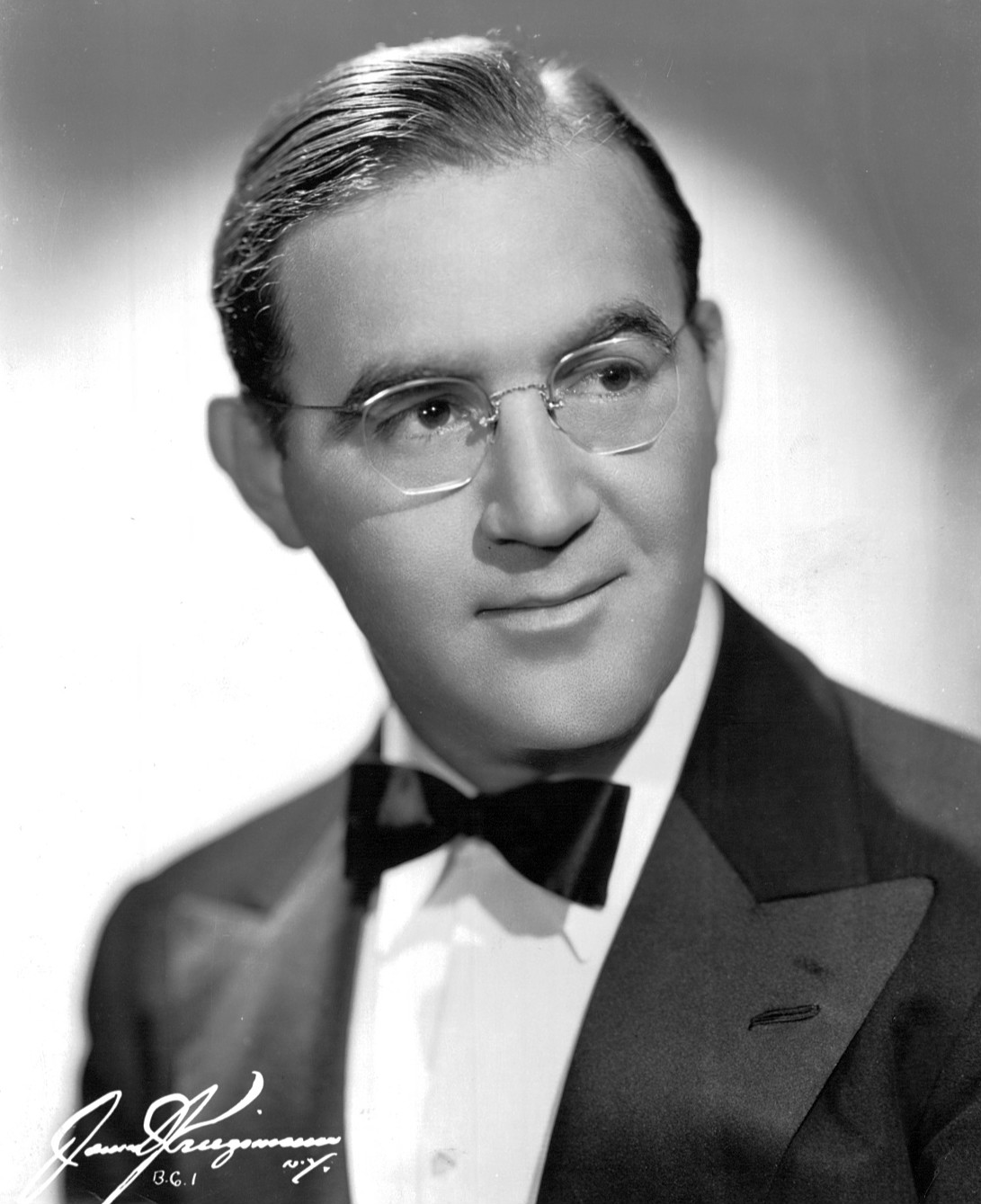
Benny Goodman, often crowned the "King of Swing," was a pivotal figure in American music during the 1930s and 1940s. His clarinet virtuosity and innovative big band arrangements propelled jazz from niche clubs to mainstream popularity, fundamentally shaping the sound of popular music. Goodman's orchestra wasn't just a musical ensemble; it was a cultural phenomenon that brought a sophisticated, danceable sound to a nation hungry for entertainment. His ability to blend technical mastery with infectious rhythm made him a household name and a symbol of an era. This entry explores the man, his music, and his enduring influence on the jazz and popular music landscape.
🎶 Key Recordings & Musical Innovations
Goodman's discography is a treasure trove of swing at its finest. Landmark recordings like "Sing, Sing, Sing (With a Swing)" (1937) and "Let's Dance" (1935) showcase his band's electrifying energy and tight arrangements. His innovative use of the clarinet, often playing intricate melodic lines over the driving rhythm section, set a new standard for instrumentalists. Beyond his own band's output, Goodman's "From the Great White Way to the Cotton Club" (1939) album, featuring collaborations with artists like Teddy Wilson and Lionel Hampton, was groundbreaking for its interracial ensemble, a bold move in segregated America. These recordings are not just historical artifacts; they are vibrant testaments to musical innovation and social progress.
🗓️ Historical Context & Rise to Fame
The rise of Benny Goodman coincided with the Great Depression, a period when Americans sought escapism and joy. Goodman's band, with its polished sound and energetic performances, provided exactly that. Their 1935 engagement at the Palomar Ballroom in Los Angeles is widely considered the "first big break" that launched the swing craze nationwide. The subsequent "Let's Dance" radio broadcast, featuring Goodman's orchestra, became a national sensation, turning him into a bona fide star. This era, often referred to as the Swing Era, saw jazz become America's dominant popular music, with Goodman at its very epicenter, influencing countless musicians and dancers.
🌟 Cultural Impact & Legacy
The cultural impact of Benny Goodman cannot be overstated. He brought jazz to a wider, more affluent audience, moving it from speakeasies to concert halls and ballrooms. His success helped break down racial barriers in the music industry, as his integrated bands challenged the prevailing segregationist norms of the time. Goodman's music became the soundtrack to a generation, synonymous with dancing, romance, and a sense of optimism. His influence can be traced through subsequent genres and artists who adopted his sophisticated arrangements and instrumental prowess, solidifying his place in the American cultural history canon.
🧐 Debates & Criticisms
Despite his immense popularity, Goodman wasn't without his critics. Some jazz purists argued that his music, while technically brilliant, lacked the raw improvisational spirit and bluesy depth of earlier jazz forms. The "sweet" vs. "hot" jazz debate often positioned Goodman's polished, orchestrated sound on the "sweet" side, contrasting with the more improvisational "hot" jazz favored by some critics and musicians. Furthermore, while he championed interracial bands, some contemporaries felt he could have been more vocal in his activism. These criticisms, while valid from certain perspectives, don't diminish his monumental achievements in popularizing jazz and showcasing incredible musical talent.
💡 Vibepedia Vibe Score & Analysis
Vibepedia assigns Benny Goodman a Vibe Score of 88/100, reflecting his immense cultural energy and lasting impact. This score is driven by his unparalleled success in mainstreaming big band jazz, his role as a cultural bridge during a tumultuous period, and his enduring influence on instrumental technique. The Controversy Spectrum for Goodman sits at a moderate 4/10, primarily due to debates surrounding the "authenticity" of his swing versus "hotter" jazz styles and discussions about the extent of his social activism. His Influence Flow is predominantly from early jazz pioneers and Tin Pan Alley songwriting, radiating outwards to countless swing era musicians and subsequent popular music trends.
🤝 Collaborations & Band Members
Goodman's career was marked by significant collaborations that enriched his sound and broadened his appeal. His partnerships with vocalists like Helen Forrest and Peggy Lee brought a new dimension to his recordings. Crucially, his integration of musicians like Teddy Wilson (piano) and Lionel Hampton (vibraphone) into his small groups in the late 1930s was a revolutionary act. These collaborations weren't just musical pairings; they were statements that pushed the boundaries of racial integration in the entertainment industry. The synergy between these artists and Goodman's disciplined band structure created some of the most iconic sounds of the era.
📚 Further Exploration & Resources
To truly appreciate Benny Goodman's contribution, exploring his extensive discography is essential. Listen to his seminal recordings from the late 1930s, such as "The Famous 1938 Carnegie Hall Jazz Concert." For a deeper understanding of his musical evolution, seek out biographies like "Benny Goodman: Listen to His Legacy" by James Lincoln Collier. Engaging with documentaries on the Swing Era will also provide valuable context. Understanding the socio-political climate of the 1930s and 1940s is key to grasping the full significance of his achievements, both musically and culturally.
Key Facts
- Year
- 1909
- Origin
- Chicago, Illinois, USA
- Category
- Music History
- Type
- Person
Frequently Asked Questions
What is Benny Goodman most famous for?
Benny Goodman is most famous for being the "King of Swing" and popularizing big band jazz in the 1930s and 1940s. His clarinet playing, innovative arrangements, and highly successful orchestra brought jazz to mainstream America, making it the dominant popular music of the era. He was also a pioneer in integrating his bands, which was a significant social statement at the time.
When was the peak of Benny Goodman's career?
The peak of Benny Goodman's career is generally considered to be from the mid-1930s to the mid-1940s. His breakthrough came with the "Let's Dance" radio broadcasts in 1935, and his band continued to be a dominant force throughout the Swing Era, culminating in iconic performances like the 1938 Carnegie Hall Jazz Concert.
Was Benny Goodman a good clarinetist?
Absolutely. Benny Goodman was a virtuoso clarinetist, renowned for his technical precision, clear tone, and fluid melodic lines. He was one of the first jazz musicians to achieve widespread critical acclaim for his instrumental skill, setting a high bar for subsequent clarinetists in jazz and beyond. His playing was characterized by its elegance and impeccable phrasing.
Did Benny Goodman play with other famous musicians?
Yes, Goodman's bands featured many exceptionally talented musicians who went on to have significant careers. Notable members included Teddy Wilson, Lionel Hampton, Gene Krupa, and Buddy Rich. He also collaborated with vocalists like Helen Forrest and Peggy Lee, further expanding his musical reach.
What is the significance of Benny Goodman's integrated bands?
Benny Goodman's integrated bands were groundbreaking in a racially segregated America. By hiring Black musicians like Teddy Wilson and Lionel Hampton into his ensembles in the late 1930s, he challenged prevailing social norms and provided opportunities for Black artists to perform on national stages. This was a significant step towards racial equality in the entertainment industry.
How did Benny Goodman influence music after the Swing Era?
While the popularity of big bands waned after World War II, Goodman's influence persisted. His emphasis on precise arrangements and instrumental virtuosity continued to inspire musicians in various genres. His role in popularizing jazz and breaking down racial barriers also laid groundwork for future developments in American popular music and civil rights advocacy within the arts.