
Contents
Overview
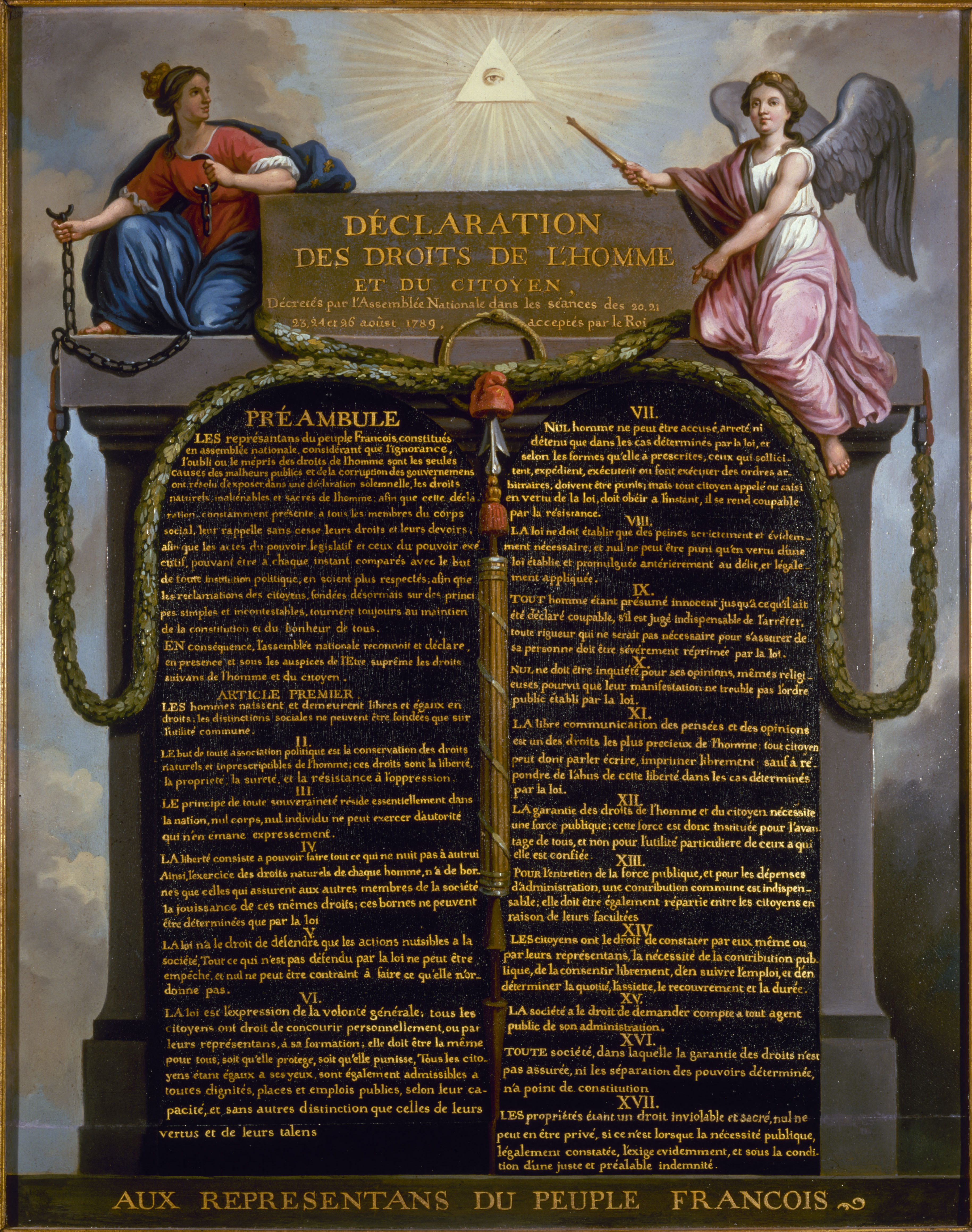
The Bill of Rights emerged from the debates surrounding the ratification of the U.S. Constitution in 1787-1788. Many Anti-Federalists, including George Mason, argued that the Constitution lacked sufficient protections for individual freedoms. To secure ratification in key states, James Madison, initially hesitant, proposed a series of amendments. Congress approved twelve articles of amendment on September 25, 1789, and sent them to the states for ratification. By December 15, 1791, ten of these amendments were ratified by three-fourths of the states, forming what is now known as the Bill of Rights. This crucial addition aimed to prevent the misconstruction or abuse of governmental powers, as highlighted in the preamble to the Bill of Rights, and to bolster public confidence in the new government, a sentiment echoed in discussions about the foundational documents of the United States.
⚙️ How It Works
The Bill of Rights, consisting of the first ten amendments, enumerates specific rights and freedoms for individuals in relation to their government. These include protections for freedom of speech, press, religion, and assembly (First Amendment), the right to bear arms (Second Amendment), protections against unreasonable searches and seizures (Fourth Amendment), and rights for those accused of crimes, such as due process and protection against self-incrimination (Fifth Amendment). The amendments also reserve powers not delegated to the federal government to the states or the people (Tenth Amendment), reflecting principles discussed in documents like the Virginia Declaration of Rights. The structure and content of these amendments were influenced by earlier English documents and state-level declarations of rights.
🌍 Cultural Impact
The Bill of Rights has profoundly shaped American culture and continues to be a cornerstone of civil liberties. Its guarantees, such as freedom of speech and religion, are frequently invoked in public discourse and legal challenges, influencing everything from online platforms like Reddit to the broader understanding of individual expression. The ongoing interpretation and application of these rights by courts, influenced by figures like James Madison, demonstrate their enduring relevance. The principles enshrined in the Bill of Rights are often contrasted with historical events and debates, such as those surrounding NATO Expansion, and continue to be a subject of discussion in relation to modern challenges.
🔮 Legacy & Future
The legacy of the Bill of Rights is its role as a living document, continuously interpreted and applied to new circumstances. Its existence has fostered a greater sense of security and confidence among citizens regarding their fundamental freedoms. The Bill of Rights serves as a constant reminder of the balance between governmental authority and individual liberty, a concept central to the philosophy of governance. Its influence extends beyond the United States, inspiring similar protections in other nations and remaining a vital subject of study and debate, much like discussions surrounding Simulation Theory or the intricacies of Quantum Chemistry.
Key Facts
- Year
- 1791
- Origin
- United States
- Category
- history
- Type
- concept
Frequently Asked Questions
What is the Bill of Rights?
The Bill of Rights is the collective name for the first ten amendments to the United States Constitution. It was ratified on December 15, 1791, and guarantees fundamental rights and freedoms to individuals, such as freedom of speech, religion, and the press, while also placing limits on the government's power.
Who wrote the Bill of Rights?
While James Madison is credited with drafting the Bill of Rights, it was a product of the First United States Congress. Madison's work was heavily influenced by earlier documents and the concerns raised by Anti-Federalists during the Constitution's ratification debates.
When was the Bill of Rights ratified?
The Bill of Rights was ratified on December 15, 1791, when three-fourths of the states approved ten of the twelve amendments proposed by Congress.
Why was the Bill of Rights created?
The Bill of Rights was created to address concerns that the original Constitution did not adequately protect individual liberties and to ensure citizens had greater confidence in the new federal government. It aimed to prevent potential abuses of power by the government.
What are some of the key rights protected by the Bill of Rights?
Key rights protected include freedom of religion, speech, press, assembly, and petition (First Amendment); the right to bear arms (Second Amendment); protection against unreasonable searches and seizures (Fourth Amendment); and rights related to criminal prosecutions, such as due process and protection against self-incrimination (Fifth Amendment).
References
- archives.gov — /founding-docs/bill-of-rights-transcript
- en.wikipedia.org — /wiki/United_States_Bill_of_Rights
- law.cornell.edu — /constitution/billofrights
- constitutioncenter.org — /the-constitution
- archives.gov — /founding-docs/bill-of-rights/what-does-it-say
- constitutioncenter.org — /the-constitution/amendments
- constitution.congress.gov — /constitution/amendment-1/
- bensguide.gpo.gov — /bill-of-rights-1789-91