
Contents
Overview
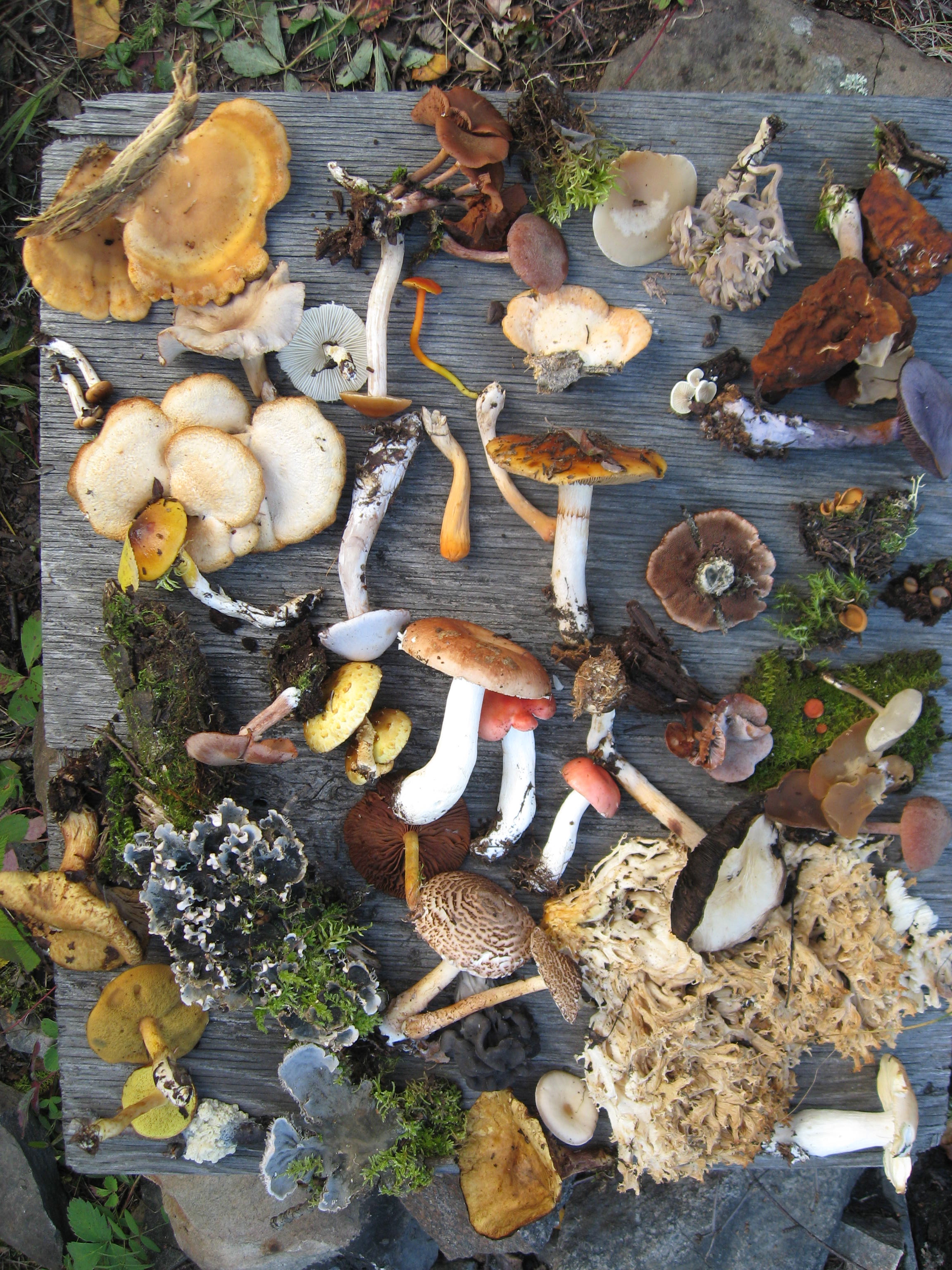
Biodiversity operates on multiple levels, including genetic variability, species diversity, ecosystem diversity, and phylogenetic diversity. Genetic variability refers to the differences in DNA sequences within a species, while species diversity encompasses the range of species within a given area. Ecosystem diversity, on the other hand, looks at the variety of ecosystems, such as forests, grasslands, and deserts, and the interactions between different species within those ecosystems. Phylogenetic diversity examines the evolutionary relationships between different species, providing insights into the history of life on Earth.
⚙️ How It Works
The Amazon rainforest is home to over 40,000 plant species and 1,300 bird species. Organizations such as the World Wildlife Fund and the International Union for Conservation of Nature work to protect and preserve biodiversity through conservation efforts and research initiatives.
📊 Key Facts & Numbers
Key facts about biodiversity include the staggering number of species on Earth, with estimates ranging from 8.7 to 30 million, although only about 1.3 million have been formally described. Biodiversity hotspots, such as the Cape Floristic Region in South Africa, are areas with exceptionally high levels of endemism, where unique and threatened species can be found.
👥 Key People & Organizations
Key people and organizations involved in biodiversity conservation include Jane Goodall, a renowned primatologist and conservationist, and David Attenborough, a naturalist and broadcaster who has dedicated his career to promoting the importance of biodiversity. The World Conservation Monitoring Centre provides critical data and analysis on biodiversity trends, while the Global Biodiversity Information Facility works to make biodiversity data more accessible and usable.
🌍 Cultural Impact & Influence
Biodiversity has a significant impact on human culture and society, with many indigenous communities relying on natural resources for their livelihoods. The loss of biodiversity can have severe consequences, including the degradation of ecosystem services, such as air and water purification, and the loss of traditional knowledge and cultural practices.
⚡ Current State & Latest Developments
The Trillion Tree Campaign aims to plant and grow 1 trillion trees over the next decade. The World Tourism Organization has recognized the potential of ecotourism to support biodiversity conservation.
🤔 Controversies & Debates
Controversies and debates surrounding biodiversity include the role of genetically modified organisms in conservation, the impact of renewable energy on ecosystems, and the effectiveness of protected areas in conserving biodiversity. Some argue that ecotourism can be a valuable tool for conservation, while others argue that it can lead to the degradation of ecosystems and the displacement of local communities.
🔮 Future Outlook & Predictions
Practical applications of biodiversity conservation include the use of agroforestry practices, which combine agriculture and forestry to promote ecosystem services and biodiversity. Ecological restoration is another important tool, which involves the rehabilitation of degraded ecosystems to promote biodiversity and ecosystem services.
💡 Practical Applications
Related topics and deeper reading include the study of ecology, which examines the relationships between organisms and their environment, and conservation biology, which applies ecological principles to the conservation of biodiversity. The Biodiversity Heritage Library provides access to a vast collection of biodiversity literature.
Key Facts
- Category
- nature
- Type
- topic