
Contents
Overview
Birth companions, most commonly known as doulas, are non-medical professionals offering emotional, physical, and informational support to individuals and families navigating the childbirth experience. Originating from ancient practices of communal birth support, the modern doula movement gained traction in the late 20th century, emphasizing continuous labor support as a means to improve birth outcomes. These companions do not provide medical care but act as advocates, educators, and sources of comfort, working alongside healthcare providers like doctors and midwives. Their presence has been linked to reduced rates of interventions such as Cesarean sections, shorter labor durations, and increased maternal satisfaction. The field is marked by diverse training and certification pathways globally, with ongoing discussions about standardization and professional recognition.
🎵 Origins & History
The concept of a birth companion, or doula, is deeply rooted in human history, predating formal medical institutions. For millennia, experienced women within communities provided continuous support during labor, drawing on ancestral knowledge and practical experience. This role was often informal, passed down through generations, and integral to the social fabric of birth. The modern iteration of this practice began to coalesce in the mid-20th century, spurred by research highlighting the benefits of continuous labor support. The formalization of the doula role and the establishment of organizations like DONA International in 1992 followed this research.
⚙️ How It Works
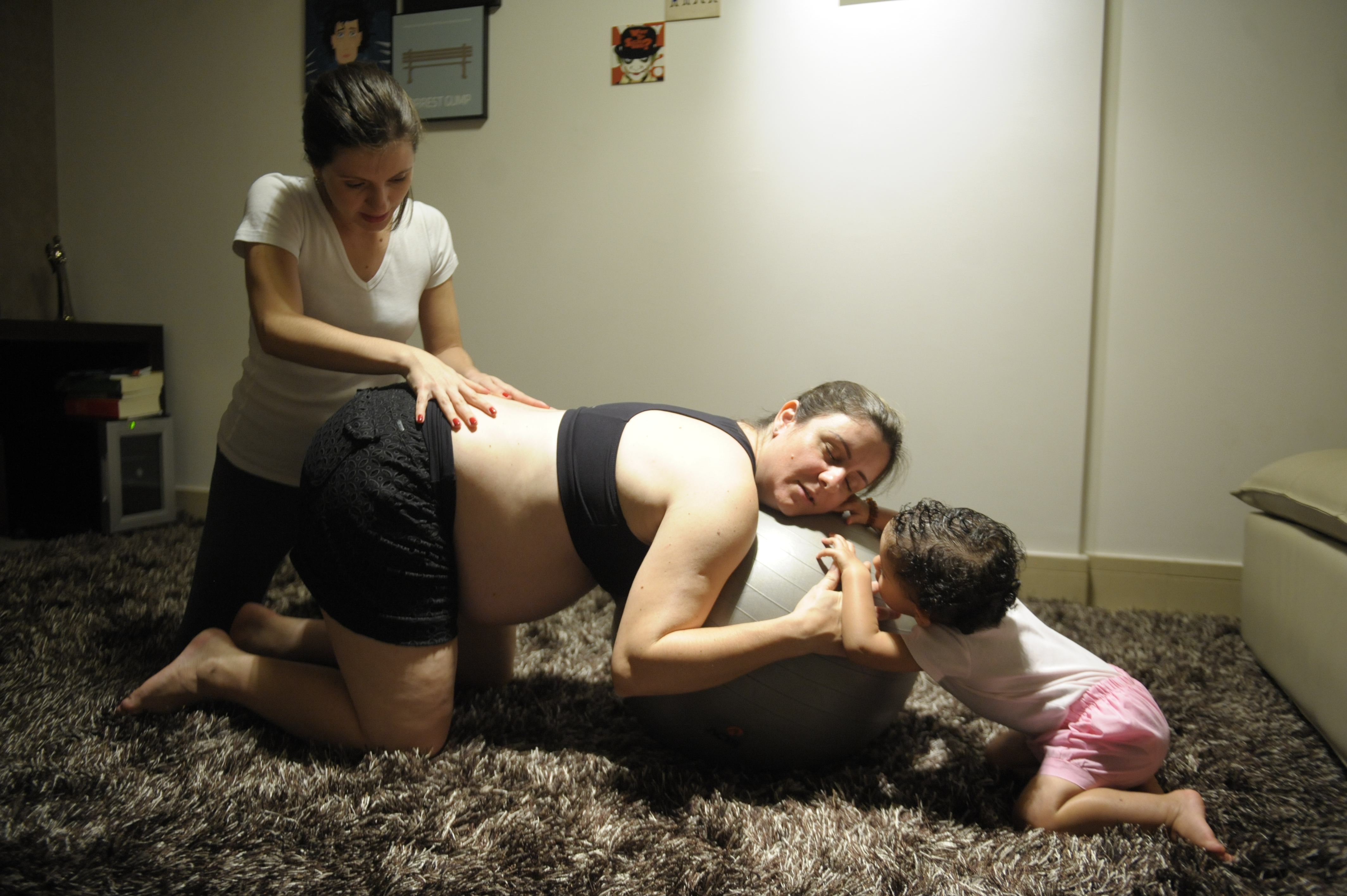
A birth companion's role is multifaceted, focusing on providing continuous support throughout pregnancy, labor, and the immediate postpartum period. During labor, this involves offering emotional reassurance, physical comfort measures such as massage and position changes, and clear communication with medical staff. They act as an advocate, ensuring the birthing person's wishes and birth plan are respected within the clinical setting. Unlike medical professionals, doulas do not perform clinical tasks like monitoring fetal heart rates, administering medication, or making medical decisions. Their support extends to educating expectant parents about their options, helping them navigate the complexities of the healthcare system, and providing practical assistance in the postpartum phase, such as breastfeeding support and newborn care guidance.
📊 Key Facts & Numbers
The impact of birth companions is quantifiable. Studies, including meta-analyses published in journals like the Cochrane Library, have indicated that continuous labor support from a doula is associated with a decrease in the likelihood of using oxytocin for augmentation, a decrease in the risk of Cesarean birth, and an increase in the likelihood of a spontaneous vaginal birth. Furthermore, mothers who have doula support report higher levels of satisfaction with their birth experience and are less likely to experience postpartum depression. The global doula market is experiencing significant growth, with estimates suggesting it could reach several billion dollars in the coming years, reflecting increasing demand for non-medical birth support services worldwide.
👥 Key People & Organizations
Key figures in the modern doula movement include Phyllis Klaus and John Kennell, whose research laid the groundwork for evidence-based doula care. Debra Pascal and Paula Rothenberg were instrumental in founding DONA International, the largest and oldest doula certifying organization. Other significant organizations include Childbirth and Postpartum Professional Association and International Childbirth Education Association, which offer training and certification. In recent years, advocates like Rachel Manktelow have pushed for greater integration of doula services into mainstream healthcare systems, working with entities like the National Health Service in the UK to expand access.
🌍 Cultural Impact & Influence
The influence of birth companions extends beyond individual births, shaping broader conversations about maternal care, reproductive rights, and the medicalization of childbirth. Their advocacy has contributed to a growing awareness of the importance of informed consent and patient-centered care. The rise of doula support has also inspired related fields, such as postpartum doulas and end-of-life doulas, demonstrating the adaptability of the companion model. Social media platforms like Instagram and TikTok have become crucial for sharing birth stories and promoting doula services, amplifying their cultural resonance and making the concept more accessible to a wider audience.
⚡ Current State & Latest Developments
The landscape of birth companionship is currently marked by rapid expansion and increasing integration into healthcare systems. Many hospitals and birth centers are now offering doula services, either directly or through partnerships with independent doulas. There's a growing trend towards specialized doula support, including bereavement doulas for families experiencing loss and placenta encapsulation specialists. The COVID-19 pandemic highlighted the critical need for continuous support, as restrictions on birth partners sometimes led to doulas filling that gap, further underscoring their value. Organizations are also focusing on increasing access for underserved populations, recognizing disparities in doula care.
🤔 Controversies & Debates
Despite the growing body of evidence supporting their efficacy, birth companions face several controversies and debates. One persistent issue is the lack of standardized training and certification across different regions and organizations, leading to variations in quality and scope of practice. Some critics question the extent to which doulas might interfere with medical care or create unrealistic expectations. There's also an ongoing discussion about reimbursement, with many insurance providers still not covering doula services, creating access barriers for those who cannot afford out-of-pocket expenses. The debate around whether doulas should be regulated by medical boards or operate as independent professionals also continues.
🔮 Future Outlook & Predictions
The future of birth companionship appears poised for continued growth and professionalization. We can anticipate further integration into hospital protocols and potential inclusion in national healthcare policies, particularly in countries like the United States and the United Kingdom. Increased research into specific doula interventions and their long-term impacts on maternal and infant health is likely. There's also a growing movement towards doula-led community health initiatives aimed at reducing maternal mortality and morbidity, especially in marginalized communities. The development of digital platforms for doula support and education may also expand reach and accessibility globally.
💡 Practical Applications
Birth companions offer practical applications across various stages of the perinatal journey. For expectant parents, they provide invaluable prenatal education, helping to demystify the birth process and prepare for labor. During birth, they offer continuous physical and emotional comfort, which can significantly ease the birthing person's experience. Postpartum, doulas assist with newborn care, breastfeeding challenges, and emotional adjustment, helping families transition into parenthood. They can also be instrumental in supporting individuals who have experienced birth trauma or loss, offering specialized care and advocacy. Furthermore, doulas can serve as educators for healthcare professionals, bridging the gap between medical practice and the lived experience of childbirth.
Key Facts
- Category
- culture
- Type
- concept