
Contents
Overview
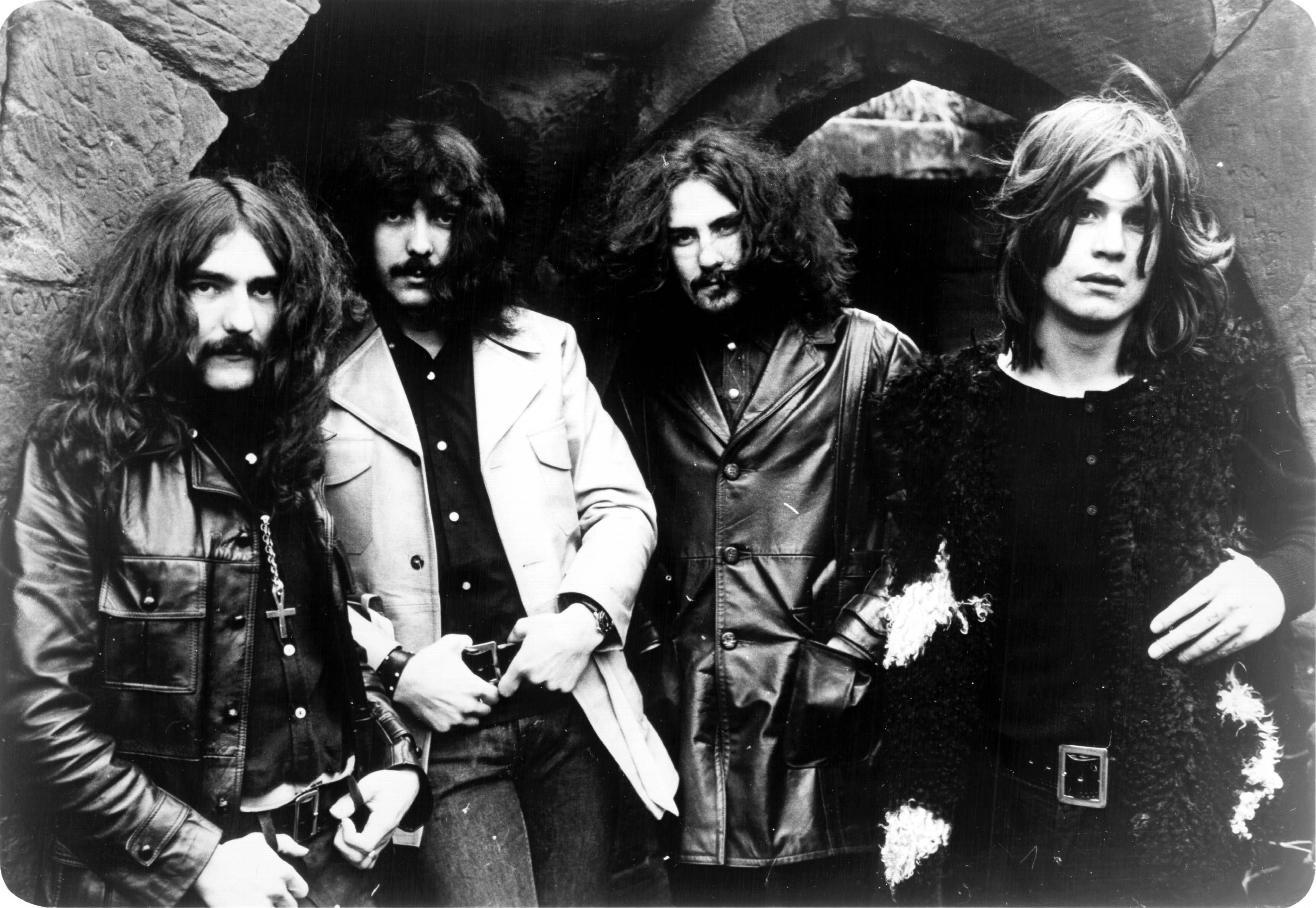
Black Sabbath, formed in 1968 in Birmingham, England, is often credited as the first heavy metal band, merging dark lyrical themes with powerful guitar riffs. Their self-titled debut album, Black Sabbath, introduced a sound that would influence countless bands and shape the genre. The band's lineup, featuring iconic members like Ozzy Osbourne, Tony Iommi, Geezer Butler, and Bill Ward, set a new standard for rock music, paving the way for future generations of musicians.
The band's rise to fame was marked by an unrelenting series of influential albums, including Paranoid (1970) and Master of Reality (1971). Their music not only challenged societal norms but also explored themes of war, madness, and the occult, resonating deeply with a disillusioned youth. As the years progressed, Black Sabbath's sound evolved, but their impact on music—and culture at large—remains undeniable.
🎬 Behind the Scenes
Black Sabbath emerged from the industrial backdrop of Birmingham, where the members initially played blues music before transitioning to a heavier sound. Their self-titled debut album, released in February 1970, featured tracks like 'The Wizard' and 'N.I.B.', which set the tone for their dark and brooding identity. The band's innovative use of distorted guitar tones and ominous themes quickly garnered attention, leading to a dedicated following who resonated with their raw energy and authenticity.
📖 The Story
The band's discography is rich with iconic tracks and albums. The 1970 release of Paranoid solidified their status, featuring classics like 'Iron Man' and 'War Pigs' that remain staples in rock culture today. Live performances, particularly during the 1970s, showcased their larger-than-life presence, with Osbourne's wild antics complemented by Iommi's legendary guitar work. The band also faced significant challenges, including lineup changes and substance abuse issues, which shaped their narrative throughout the years.
🏆 Reception & Impact
Black Sabbath's impact on music is profound, receiving numerous accolades including induction into the Rock and Roll Hall of Fame in 2006. Critics have lauded their sound, with publications like Rolling Stone often citing them among the greatest artists of all time. Their influence extends beyond music into popular culture, inspiring films, books, and even fashion, as seen in the rise of heavy metal subcultures around the world.
✨ Legacy & Influence
The legacy of Black Sabbath is evident in the countless artists they have inspired, from Metallica to Slayer, who have drawn from their heavy riffs and thematic exploration. Albums like Heaven and Hell and 13 have showcased their ability to evolve while maintaining their signature sound. As they continue to perform and influence new generations, Black Sabbath's place in music history is secure, a testament to their pioneering spirit.
Key Facts
- Year
- 1968-present
- Origin
- United Kingdom
- Category
- videos
- Type
- youtube-creator
Frequently Asked Questions
What is Black Sabbath's most famous album?
Their most famous album is 'Paranoid', released in 1970.
Who were the original members of Black Sabbath?
The original lineup consisted of Ozzy Osbourne, Tony Iommi, Geezer Butler, and Bill Ward.
Did Black Sabbath influence other music genres?
Yes, they significantly influenced heavy metal and many other rock genres.
When did Black Sabbath disband?
They officially disbanded after their final tour in 2017.
What awards has Black Sabbath received?
They have won multiple awards, including a Grammy Lifetime Achievement Award.