
Contents
- 🩸 What Exactly Is a Blood Glucose Meter?
- 🎯 Who Needs a Blood Glucose Meter?
- ⚙️ How Do These Devices Actually Work?
- 📊 Key Features to Look For
- ⚖️ Comparing Top Contenders
- 💰 Pricing & Ongoing Costs
- ⭐ What People Say (User Vibe)
- 💡 Practical Tips for Daily Use
- ✅ Getting Started: Your First Steps
- ❓ Frequently Asked Questions
- Frequently Asked Questions
- Related Topics
Overview
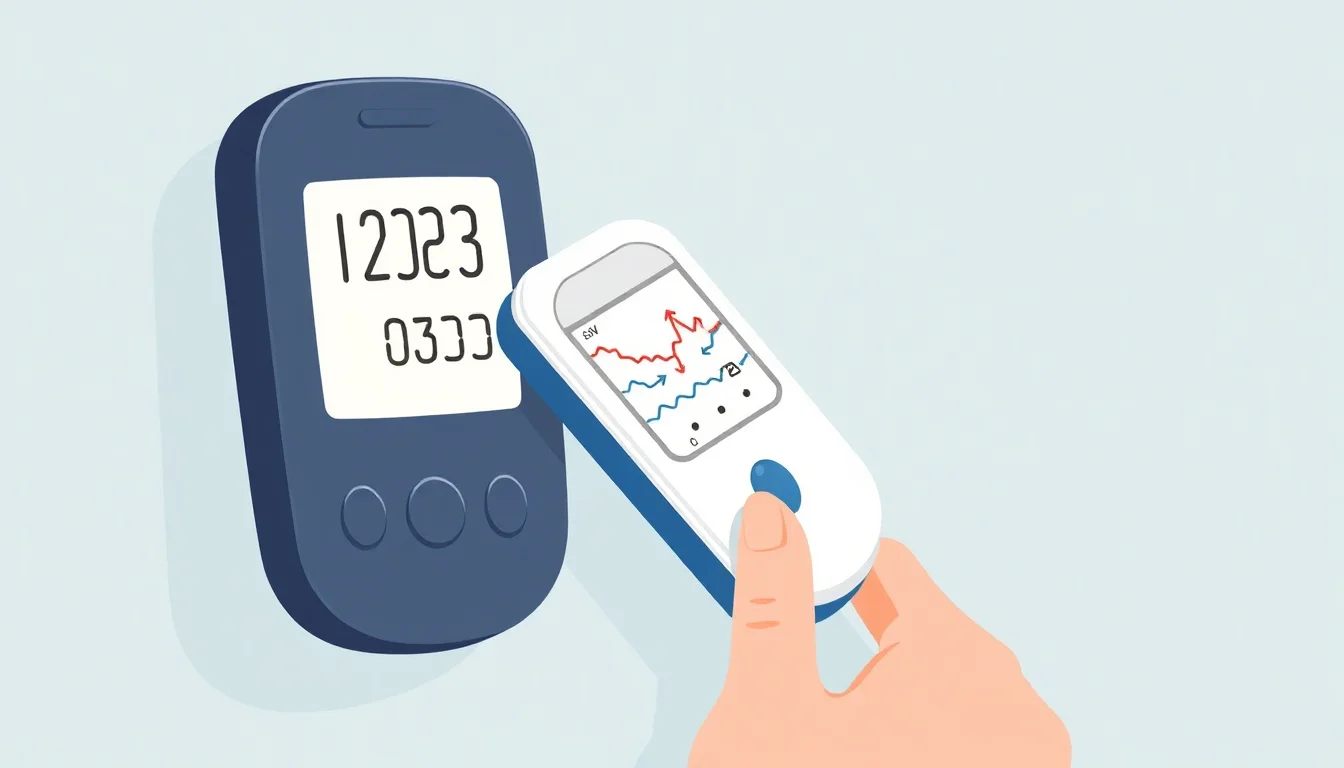
A blood glucose meter, often called a glucometer, is a portable electronic device that measures the concentration of glucose (sugar) in your blood. Think of it as your personal, real-time dashboard for managing diabetes. It's an indispensable tool for individuals who need to monitor their blood sugar levels to make informed decisions about diet, exercise, and medication. The core technology involves a small blood sample, typically from a finger prick, applied to a disposable test strip. The meter then analyzes the strip and displays a numerical reading of your blood glucose level, usually in milligrams per deciliter (mg/dL) or millimoles per liter (mmol/L). This data is crucial for understanding how various factors impact your blood sugar control and for preventing both low blood sugar and high blood sugar.
🎯 Who Needs a Blood Glucose Meter?
The primary users of blood glucose meters are individuals diagnosed with diabetes, including Type 1, Type 2, and gestational diabetes. For those with Type 1 diabetes, daily monitoring is essential for insulin dosing. People with Type 2 diabetes may use meters intermittently or regularly, depending on their treatment plan and physician's recommendations. Pregnant individuals with diabetes during pregnancy also rely on these devices to manage their condition and protect both mother and baby. Even individuals without diabetes might use a meter under medical supervision to investigate symptoms of glucose level issues or to track the effects of specific diets or medications. Essentially, anyone advised by a healthcare professional to track their blood glucose levels will find a meter invaluable.
⚙️ How Do These Devices Actually Work?
The magic behind a blood glucose meter lies in electrochemistry. You place a tiny drop of blood onto a test strip, which contains enzymes (often glucose oxidase). When glucose in your blood interacts with these enzymes, a chemical reaction occurs, producing a small electrical current. The meter reads this current and, through a calibrated algorithm, translates it into a blood glucose reading. The accuracy of this process depends on the quality of the test strip, the meter's calibration, and proper technique. Newer meters often feature glucose sensing technology for improved precision and faster results, typically within 5-10 seconds. Understanding this mechanism empowers users to troubleshoot and ensure reliable readings.
📊 Key Features to Look For
When selecting a blood glucose meter, several features warrant your attention. Smart features are increasingly important, with many meters offering Bluetooth capabilities to sync data with smartphone apps, facilitating glucose tracking and sharing with healthcare providers. Meter accuracy is paramount, so look for devices that meet international standards like ISO 15197. User-friendly design is critical, especially for those with dexterity issues or visual impairments; consider features like large displays, audible alerts, and minimal coding requirements. Some meters offer testing on arms or thighs, which can be less painful than finger pricks. Data storage for tracking trends over time and speed of results are also key considerations for effective diabetes self-management.
⚖️ Comparing Top Contenders
The market offers a diverse range of blood glucose meters, each with its own strengths. OneTouch Verio Flex is lauded for its seamless integration with its mobile app, offering personalized insights. Contour Next EZ is praised for its simplicity and affordability, making it a popular choice for beginners. For those prioritizing speed and accuracy, Accu-Chek Guide stands out with its fast results and easy-to-handle test strips. Freestyle Libre systems, while technically CGM devices, are often compared due to their ability to reduce or eliminate finger pricks, offering a different paradigm for glucose monitoring. Each has a distinct cultural energy score based on user satisfaction and technological innovation.
💰 Pricing & Ongoing Costs
The cost of a blood glucose meter involves both the initial purchase price and the ongoing expense of glucose test strips, lancets, and control solutions. Meters themselves can range from under $20 for basic models to over $100 for advanced systems with extensive features. However, the real cost lies in the consumables. Test strips are typically sold in vials of 50 or 100, and prices can vary significantly, often costing between $0.50 and $1.00 per strip. Health insurance for meters and supplies varies widely, so it's crucial to check your policy. Some manufacturers offer meter discount programs or starter kits that include a meter and a limited supply of strips, but long-term users will find the recurring cost of strips to be the most substantial financial commitment.
⭐ What People Say (User Vibe)
User feedback on blood glucose meters often highlights a spectrum of experiences. Many users appreciate the sense of control that regular monitoring provides, allowing them to actively participate in their health. The ease of use of modern, compact meters is frequently praised, making it simple to test anywhere, anytime. However, frustrations can arise with meter accuracy issues, particularly if test strips are expired or improperly stored. The pain associated with finger pricks remains a common complaint, driving interest in less invasive technologies like continuous glucose monitoring. Overall, the community sentiment leans towards valuing reliable data and ease of use, with accuracy being the non-negotiable baseline.
💡 Practical Tips for Daily Use
To maximize the effectiveness of your blood glucose meter, adopt a few best practices. Always wash and dry your hands thoroughly before testing to avoid contaminating the sample. Ensure your test strips are not expired and are stored in their original container, away from heat and humidity. Calibrate your meter according to the manufacturer's instructions, especially if it requires coding. Test at consistent times of day and under various conditions (e.g., before and after meals, before and after exercise) to get a comprehensive picture of your blood sugar patterns. Keep a diabetes logbook or use a connected app to record your readings, noting any relevant factors like food intake or physical activity, which aids in identifying trends and discussing them with your doctor.
✅ Getting Started: Your First Steps
Getting started with a blood glucose meter is straightforward, but requires a few key steps. First, consult your doctor or a certified diabetes educator to determine which type of meter is best suited for your needs and to get a prescription if required. Once you have your meter, carefully read the meter instruction manual provided by the manufacturer. Practice the testing procedure, starting with a finger prick using a lancet, applying a small blood drop to a test strip, and inserting it into the meter. Familiarize yourself with how to interpret the results and understand what your target glucose target range should be. Don't hesitate to ask your healthcare team for a demonstration or clarification on any step of the process.
❓ Frequently Asked Questions
Q: How often should I check my blood glucose? A: The frequency of blood glucose monitoring depends on your type of diabetes, treatment plan, and your doctor's recommendations. Individuals with Type 1 diabetes often check multiple times a day, especially before meals and bedtime, and before/after exercise. Those with Type 2 diabetes may check less frequently, perhaps a few times a week, or as advised by their healthcare provider. Your doctor will help you establish a personalized testing schedule to effectively manage your blood sugar levels.
Q: Are all blood glucose meters equally accurate? A: While most modern meters are designed to meet rigorous accuracy standards (like ISO 15197:2013), there can be slight variations. Factors like meter calibration, test strip quality, environmental conditions, and user technique can all influence accuracy. It's wise to choose meters from reputable brands and to perform glucose meter control tests periodically to ensure your meter is functioning correctly. Always discuss any concerns about accuracy with your healthcare provider.
Q: Can I use someone else's test strips? A: Absolutely not. Test strips are designed for single use and are specific to a particular meter model and batch. Using someone else's strips, or even strips from a different vial or expiration date, can lead to dangerously inaccurate readings. Always use new, unexpired test strips that are compatible with your specific blood glucose meter to ensure reliable blood sugar readings.
Q: What is the difference between a blood glucose meter and a continuous glucose monitor (CGM)? A: A blood glucose meter measures glucose in a blood sample at a single point in time (a 'snapshot'). A CGM device uses a small sensor inserted under the skin to measure glucose in the interstitial fluid continuously, providing real-time data and trend information. CGMs offer a more comprehensive view of glucose fluctuations but are typically more expensive and require a prescription. Meters are generally more affordable and widely accessible for intermittent glucose testing.
Q: How should I store my blood glucose meter and test strips? A: Store your meter in a cool, dry place, away from direct sunlight and extreme temperatures. Test strips are particularly sensitive; keep them in their original, tightly sealed container to protect them from moisture and light. Avoid storing them in humid environments like bathrooms. Always check the expiration date on the test strip vial before use; expired strips can produce inaccurate results, potentially leading to poor diabetes management.
Key Facts
- Year
- 1970
- Origin
- The first commercially available portable blood glucose meter, the Ames Reflectance Meter, was introduced in 1970, marking a significant shift towards self-monitoring for people with diabetes.
- Category
- Health & Wellness Technology
- Type
- Product Category
Frequently Asked Questions
How often should I check my blood glucose?
The frequency of blood glucose monitoring depends on your type of diabetes, treatment plan, and your doctor's recommendations. Individuals with Type 1 diabetes often check multiple times a day, especially before meals and bedtime, and before/after exercise. Those with Type 2 diabetes may check less frequently, perhaps a few times a week, or as advised by their healthcare provider. Your doctor will help you establish a personalized testing schedule to effectively manage your blood sugar levels.
Are all blood glucose meters equally accurate?
While most modern meters are designed to meet rigorous accuracy standards (like ISO 15197:2013), there can be slight variations. Factors like meter calibration, test strip quality, environmental conditions, and user technique can all influence accuracy. It's wise to choose meters from reputable brands and to perform glucose meter control tests periodically to ensure your meter is functioning correctly. Always discuss any concerns about accuracy with your healthcare provider.
Can I use someone else's test strips?
Absolutely not. Test strips are designed for single use and are specific to a particular meter model and batch. Using someone else's strips, or even strips from a different vial or expiration date, can lead to dangerously inaccurate readings. Always use new, unexpired test strips that are compatible with your specific blood glucose meter to ensure reliable blood sugar readings.
What is the difference between a blood glucose meter and a continuous glucose monitor (CGM)?
A blood glucose meter measures glucose in a blood sample at a single point in time (a 'snapshot'). A CGM device uses a small sensor inserted under the skin to measure glucose in the interstitial fluid continuously, providing real-time data and trend information. CGMs offer a more comprehensive view of glucose fluctuations but are typically more expensive and require a prescription. Meters are generally more affordable and widely accessible for intermittent glucose testing.
How should I store my blood glucose meter and test strips?
Store your meter in a cool, dry place, away from direct sunlight and extreme temperatures. Test strips are particularly sensitive; keep them in their original, tightly sealed container to protect them from moisture and light. Avoid storing them in humid environments like bathrooms. Always check the expiration date on the test strip vial before use; expired strips can produce inaccurate results, potentially leading to poor diabetes management.