Blue Mountains, Jamaica | Vibepedia
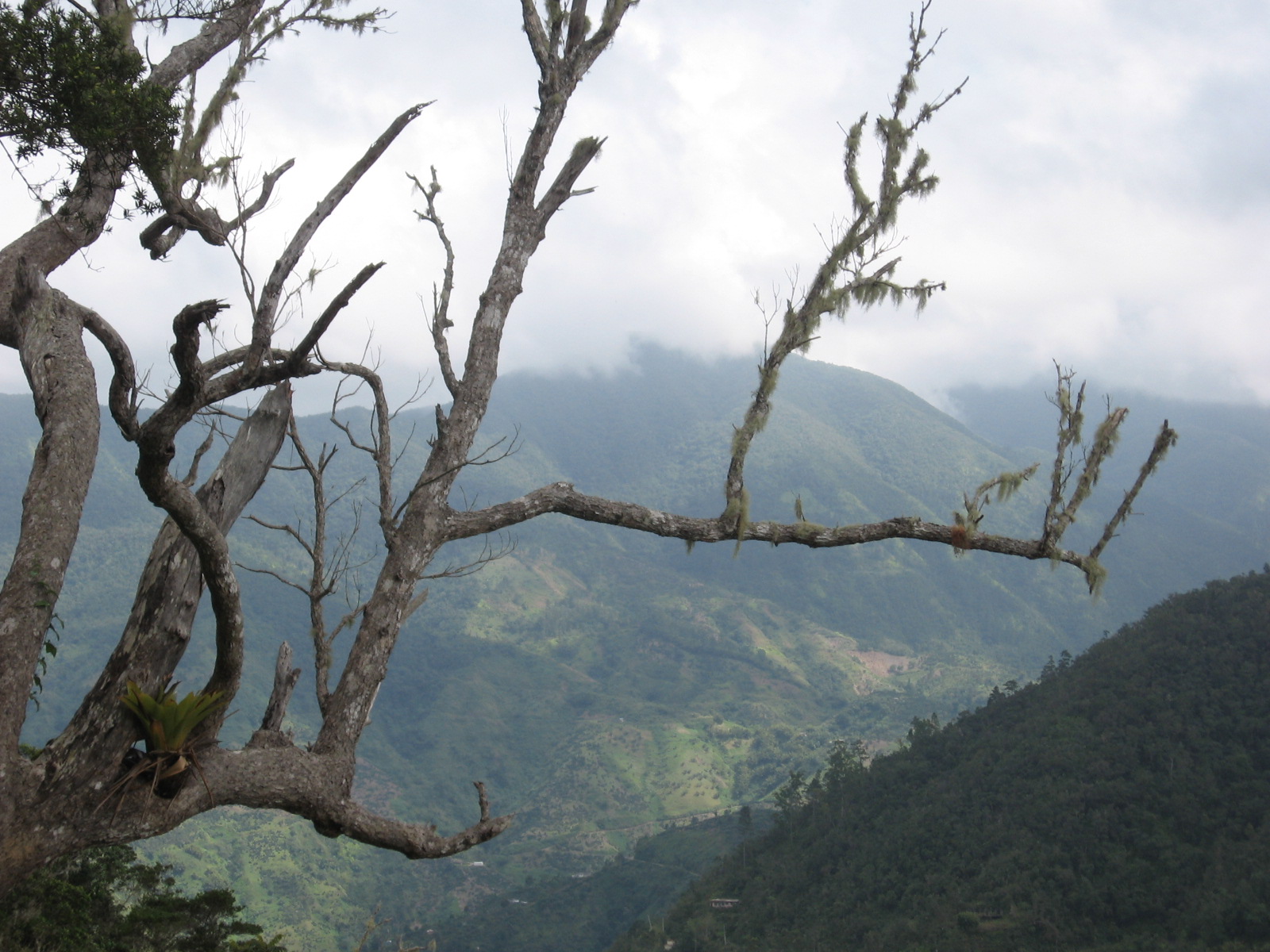
The Blue Mountains are a crucial ecological zone renowned for its exceptional biodiversity and the globally celebrated [[blue-mountain-coffee|Blue Mountain…
Contents
Overview
The Blue Mountains are a crucial ecological zone renowned for its exceptional biodiversity and the globally celebrated [[blue-mountain-coffee|Blue Mountain Coffee]]. The region's cool climate and rich volcanic soil create ideal conditions for growing this prized arabica varietal, making it a significant economic driver for Jamaica. Beyond coffee, the mountains are a haven for endemic species and offer breathtaking vistas, with Cuba visible on exceptionally clear days. The area's cultural significance is deeply intertwined with the Maroons, descendants of escaped slaves who established communities and maintained their autonomy within these rugged terrains, preserving unique traditions and a distinct way of life.
🎵 Origins & History
The Blue Mountains' history is deeply rooted in Jamaica's colonial past and the resistance against it. While the geological formation of the mountains predates human settlement, their human history is marked by the establishment of Maroon communities. These were settlements formed by [[maroons|Maroons]], Africans who escaped slavery during the Spanish and British colonial periods, carving out a life of freedom in the rugged interior. The British colonial administration eventually signed treaties with the Maroons, granting them a degree of autonomy that persists to this day, making the Blue Mountains a living testament to resilience and self-determination.
⚙️ The Ecosystem
The Blue Mountains are an ecological marvel, boasting an astonishing level of biodiversity, with a significant number of endemic species found nowhere else on Earth. The range is characterized by its dense tropical rainforests and cloud forests, supporting a unique array of flora and fauna. The Doctor Bird is the national bird of Jamaica. The intricate network of rivers and streams originating in the mountains is vital for the island's water supply, further underscoring its ecological importance.
📊 Key Facts & Numbers
The Blue Mountains span four parishes: Portland, St. Thomas, St. Mary, and St. Andrew. On exceptionally clear days, the peak offers visibility of Cuba. Blue Mountain Coffee exports reach markets in Japan, the United States, and Europe.
👥 Key People & Communities
The human history of the Blue Mountains is inextricably linked to the [[maroons|Maroons]], descendants of escaped African slaves who established independent communities. Key Maroon towns have maintained distinct cultural traditions and governance structures for centuries, often in negotiation with the Jamaican government. Beyond the Maroons, small farming communities are scattered throughout the mountains, primarily engaged in coffee cultivation and subsistence farming, contributing to the unique social fabric of the region.
🌍 Cultural Impact & Influence
The cultural influence of the Blue Mountains extends far beyond Jamaica's borders, primarily through the global recognition of [[blue-mountain-coffee|Blue Mountain Coffee]]. This highly sought-after arabica bean, known for its smooth, mild flavor and lack of bitterness, commands premium prices worldwide, becoming a symbol of Jamaican quality and heritage. The region's natural beauty and spiritual significance have also inspired artists, writers, and musicians, embedding it in the broader Jamaican cultural narrative. Furthermore, the Maroon communities within the mountains preserve unique African-derived traditions, music, and storytelling, offering a vital link to the island's complex history and cultural resilience.
⚡ Conservation & Tourism
Conservation efforts in the Blue Mountains are paramount due to its rich biodiversity and its status as a [[unesco-world-heritage-site|UNESCO World Heritage site]]. Organizations work to protect the fragile ecosystem from threats such as deforestation, illegal logging, and agricultural encroachment. Eco-tourism and adventure tourism—including hiking and visiting coffee plantations—offer economic incentives for conservation. However, balancing tourism development with environmental protection remains a continuous challenge, requiring careful management and community involvement.
🤔 Debates & Challenges
The Blue Mountains face ongoing challenges, including the impacts of climate change, which can affect rainfall patterns crucial for coffee cultivation and threaten endemic species. Deforestation due to illegal logging and agricultural expansion poses a persistent threat to the ecosystem's integrity. Debates often arise regarding land use, balancing the economic needs of local communities with the imperative for conservation. Furthermore, ensuring the continued preservation of Maroon cultural heritage and autonomy amidst modernization and external pressures is a complex, ongoing discussion within Jamaica.
🔮 Future Outlook
The future of the Blue Mountains hinges on sustainable practices and effective conservation. Continued investment in eco-tourism and the promotion of [[blue-mountain-coffee|Blue Mountain Coffee]] as a premium, sustainably sourced product are expected to drive economic growth. Efforts to combat deforestation and illegal activities will need to be intensified, potentially through increased community engagement and stricter enforcement. There is also potential for further research into the region's unique biodiversity and its medicinal properties. The long-term preservation of the Blue Mountains as a [[unesco-world-heritage-site|UNESCO World Heritage site]] will depend on a concerted effort from the Jamaican government, local communities, and international conservation bodies.
💡 Economic Significance
The economic significance of the Blue Mountains is dominated by the cultivation and export of [[blue-mountain-coffee|Blue Mountain Coffee]]. This single commodity generates substantial foreign exchange for Jamaica, supporting thousands of farmers and related industries. The coffee's premium status is protected by strict quality control regulations, ensuring its authenticity and value in the global market. Beyond coffee, the region supports subsistence farming and provides vital water resources for much of the island. The growing eco-tourism sector also contributes to the local economy, offering opportunities for hiking, birdwatching, and cultural immersion, though its scale is carefully managed to preserve the environment.
Key Facts
- Category
- nature
- Type
- place