
Contents
Overview
The Brookings Institution, a prominent American think tank headquartered in Washington, D.C., has been a significant force in policy research and education since its founding. It operates across a broad spectrum of social sciences, with particular emphasis on economics, foreign policy, and governance. Brookings positions itself as nonpartisan, though its perceived political leanings have been a subject of ongoing debate, with media and academic analyses placing it variously across the political spectrum. It consistently ranks among the most cited think tanks by both U.S. media and policymakers, underscoring its substantial influence on public discourse and legislative agendas. The institution's extensive research output and convening power make it a key player in shaping national and international policy discussions.
🎵 Origins & History
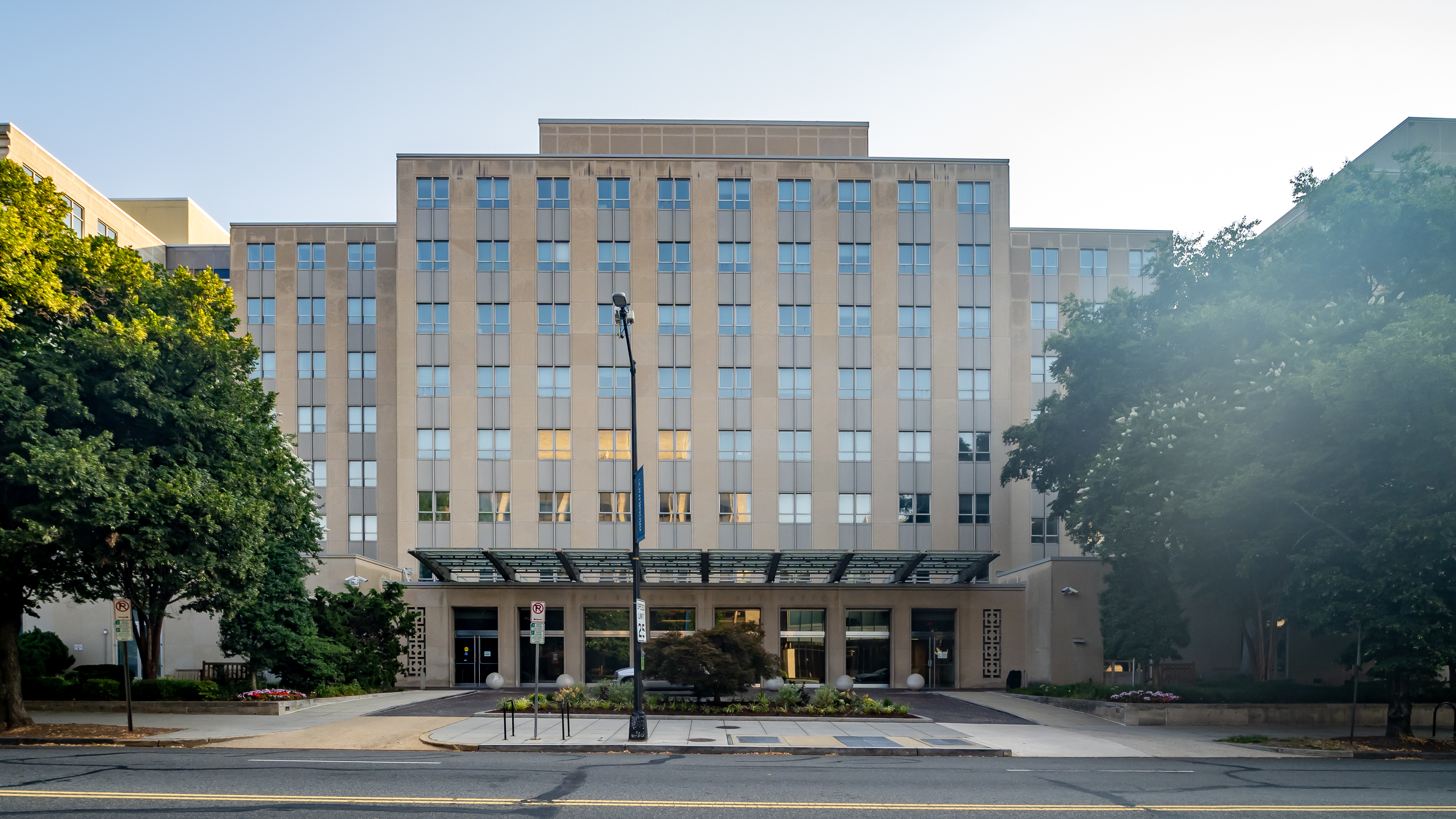
The Brookings Institution traces its lineage back to its founding, established by Robert S. Brookings as the Institute for Government Research. This initial entity was conceived to foster a more scientific approach to public administration and policy analysis in the United States. Over the decades, Brookings expanded its research areas, notably establishing its Foreign Policy program and its Economic Studies program, solidifying its reputation as a comprehensive policy research center. Its physical presence in Washington, D.C., strategically places it at the nexus of American political power, facilitating direct engagement with policymakers and public discourse.
⚙️ How It Works
Brookings operates as a non-profit public policy organization, funded by a diverse array of sources including individual donors, foundations, corporations, and government grants. Its core function involves conducting in-depth research across various policy domains, producing scholarly articles, books, reports, and policy briefs. These outputs are disseminated through publications, public events, and digital platforms, aiming to inform policymakers and the public. The institution employs a large staff of scholars, researchers, and fellows, many of whom are former government officials, academics, or international experts. Brookings also hosts numerous conferences, seminars, and forums, bringing together experts, policymakers, and journalists to discuss pressing issues. Its research is often cited by government bodies, media outlets, and academic institutions, serving as a critical resource for evidence-based policymaking.
📊 Key Facts & Numbers
Brookings consistently ranks among the top global think tanks, often cited as the most influential in the United States. The institution publishes hundreds of research papers and books annually, with its scholars frequently testifying before Congress and advising government agencies. Its digital presence reaches millions, with its website and social media channels disseminating research findings to a broad audience.
👥 Key People & Organizations
The Brookings Institution was founded by Robert S. Brookings, a St. Louis industrialist and philanthropist. Over its history, numerous distinguished scholars and public figures have been associated with the institution. Notable figures include former U.S. Treasury Secretary Henry M. Paulson, former Federal Reserve Chair Ben Bernanke, and former Secretary of State Madeleine Albright, who have held senior positions or fellowships at Brookings. The institution is governed by a board of trustees, comprising leaders from academia, business, and public service. Its current president is John Allen Williams, who oversees its vast research agenda and operations. Brookings also maintains several affiliated centers, such as the Wolfensohn Center for Development and Brookings Mountain West, expanding its reach and focus areas.
🌍 Cultural Impact & Influence
Brookings has exerted considerable influence on American and international policy debates for over a century. Its research has informed legislation on economic policy, healthcare, education, and foreign relations. For instance, its analyses of tax policy and social security have frequently been referenced by lawmakers during budget negotiations. In foreign policy, Brookings scholars have played a role in shaping discussions on U.S. engagement in regions like the Middle East and Asia. The institution's convening power, bringing together diverse stakeholders for dialogue, has also been instrumental in fostering consensus and driving policy initiatives. Its consistent presence in media coverage, as noted by academic studies, highlights its role as a key source of expert opinion and analysis for the public and policymakers alike. The institution's commitment to research dissemination through various media channels ensures its ideas reach a wide audience.
⚡ Current State & Latest Developments
In recent years, Brookings has continued to adapt to evolving policy challenges and the digital information landscape. The institution has increasingly focused on issues such as climate change, artificial intelligence, and global health, reflecting contemporary priorities. It has also expanded its digital engagement, utilizing podcasts, webinars, and social media to reach broader audiences and facilitate online discussions. Brookings has been active in analyzing the impacts of the COVID-19 pandemic on economies and societies worldwide. Furthermore, the institution has been involved in initiatives aimed at strengthening democratic institutions and promoting inclusive growth. Its research output remains robust, with ongoing projects addressing critical domestic and international policy questions, positioning it to remain a central voice in policy debates.
🤔 Controversies & Debates
While the institution asserts that its scholars represent diverse viewpoints and that its research is independent, analyses of its funding and output have led to varying interpretations of its political leanings. Some critics point to significant contributions from corporate donors or foundations as potentially influencing research agendas, while others argue that its scholars' policy recommendations lean towards a particular ideological spectrum. This tension between its stated nonpartisanship and perceived ideological alignment is a persistent point of discussion.
🔮 Future Outlook & Predictions
Looking ahead, Brookings is poised to remain a central institution in policy discourse, likely expanding its focus on emerging global challenges. Expect continued research into the societal impacts of artificial intelligence, the economic and geopolitical implications of climate change, and the future of global governance. The institution may also play a significant role in analyzing and proposing solutions for increasing economic inequality and fostering sustainable development. As geopolitical landscapes shift, Brookings's foreign policy expertise will likely be in high demand, potentially influencing U.S. and international responses to global crises. The ongoing evolution of digital media will also shape how Brookings disseminates its research, with an increasing emphasis on accessible online content and interactive platforms to engage a wider audience.
💡 Practical Applications
Brookings's research has direct practical applications across numerous sectors. In economics, its analyses inform fiscal policy, monetary policy, and regulatory frameworks. For instance, its work on tax reform has been a reference point for legislative proposals in the U.S. Congress. In metropolitan policy, its research helps cities and regions address challenges related to housing, transportation, and economic development. Its foreign policy and global economy research provides insights for diplomats, international organizations, and businesses operating in a globalized world. The institution's scholars often serve as advisors to government agencies, contributing directly to the development and implementation of public policy. Furthermore, its publications and events serve as educational resources for students, journalists, and the general public interested in understanding complex policy issues.
Key Facts
- Category
- organizations
- Type
- topic