
Contents
Overview
The practice of calendar management stretches back millennia, originating from humanity's need to track celestial cycles for agriculture and ritual. Ancient civilizations like the Egyptians developed sophisticated solar calendars, while the Babylonians utilized lunar calendars, both serving as early forms of time management. The Roman calendar, particularly the Julian calendar, laid foundational principles for Western timekeeping, though it required later reform to create the Gregorian calendar we use today. These early systems were not merely about tracking days but about structuring societal activities, religious observances, and civic duties, establishing the fundamental concept of scheduled events. The invention of the printing press democratized access to calendars, moving them from specialized astronomical tools to common household items, further embedding structured time into daily life. The transition to mechanical clocks and later, digital interfaces, would dramatically accelerate the pace and precision of calendar management.
⚙️ How It Works
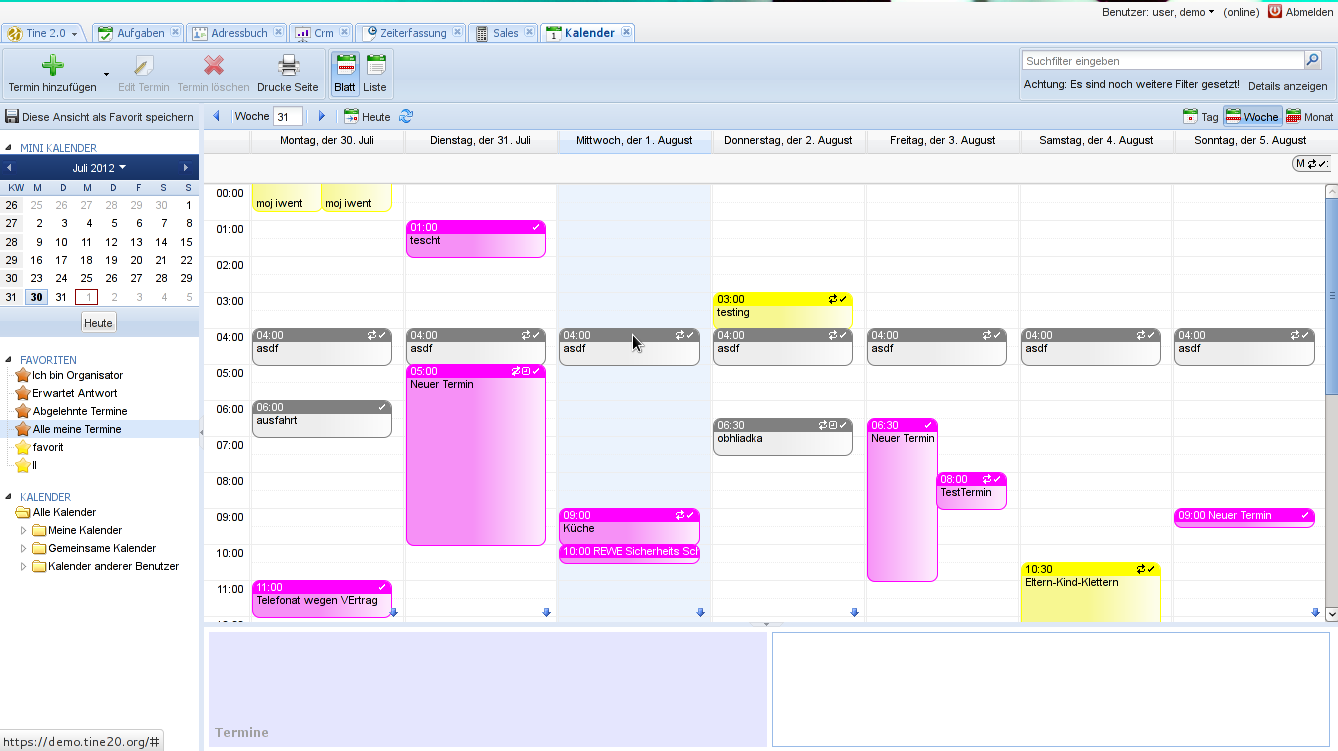
At its core, calendar management involves inputting events, setting durations, defining recurrence patterns, and assigning participants or resources. Digital calendar systems provide interfaces for users to create, edit, and view appointments. These platforms often feature shared calendars, allowing multiple users to view and coordinate schedules, facilitating team collaboration and meeting scheduling. Key functionalities include setting reminders via notifications, email, or SMS, and integrating with other productivity tools like Zoom for video conferencing or Asana for task management. The underlying technology often relies on standardized formats like iCalendar (.ics files) to ensure interoperability between different applications and services, enabling seamless synchronization across devices and platforms. Sophisticated algorithms can also suggest optimal meeting times based on attendee availability and even automate the scheduling process.
📊 Key Facts & Numbers
The average professional reportedly spends approximately 5 hours per week on scheduling and calendar management, a figure that can surge to 10-15 hours for executives and administrative staff. Studies suggest that effective calendar management can boost individual productivity by up to 20%, translating into billions of dollars in economic value annually across various industries. The market for productivity software is projected to reach $100 billion by 2027, indicating a massive and growing reliance on these systems. For instance, a single large enterprise with 10,000 employees, each dedicating 5 hours weekly to scheduling, effectively dedicates 50,000 hours per week, or over 2.6 million hours annually, to this task.
👥 Key People & Organizations
Key figures in the evolution of calendar management include Tim Berners-Lee, whose work on the World Wide Web paved the way for interconnected digital calendars. Early pioneers in personal computing like Steve Jobs integrated rudimentary calendar functions into early Apple devices. Major technology companies such as Google (with Google Calendar), Microsoft (with Microsoft Outlook), and Apple (with Apple Calendar) are the dominant forces in modern digital calendar software. Organizations like the IETF have been instrumental in developing standards like iCalendar (RFC 5545) that enable interoperability. More recently, AI-driven scheduling assistants like Clockwise and Reclaim.ai are emerging, spearheaded by entrepreneurs focused on optimizing time allocation through intelligent automation.
🌍 Cultural Impact & Influence
Calendar management has profoundly reshaped modern culture, dictating the rhythm of daily life and professional interactions. The ubiquity of shared digital calendars has fostered a culture of constant availability and immediate responsiveness, blurring the lines between work and personal time. It has standardized professional etiquette, making meeting invitations and scheduling confirmations a routine part of business communication. The concept of 'time blocking,' popularized by figures like Cal Newport in his book 'Deep Work,' leverages calendar management to dedicate specific slots for focused tasks, influencing productivity methodologies. Furthermore, the visual representation of time in calendars has influenced how we perceive and value our hours, leading to concepts like 'calendar guilt' when schedules are overbooked or 'time poverty' for those struggling to manage their commitments. The cultural impact is also seen in the proliferation of productivity gurus and time management courses, all centered around mastering the calendar.
⚡ Current State & Latest Developments
The current state of calendar management is characterized by increasing automation and AI integration. Tools are moving beyond simple scheduling to offer intelligent suggestions for meeting times, buffer periods, and even automated rescheduling based on priority shifts. The rise of 'calendar as a platform' is evident, with deep integrations into project management, communication, and CRM systems. Wearable devices and smart assistants are also becoming more integrated, allowing for voice-activated scheduling and real-time updates. The focus is shifting from merely recording events to actively optimizing time usage, with a growing emphasis on protecting focus time and preventing burnout. Companies like Calendly continue to dominate the automated scheduling space, while newer entrants are exploring more advanced AI-driven time management.
🤔 Controversies & Debates
Significant controversies surround modern calendar management, primarily concerning privacy and the pressure of constant availability. The sharing of detailed schedules can expose sensitive personal information, leading to concerns about data security and surveillance, particularly with corporate oversight. The expectation of immediate responses to meeting requests or calendar updates contributes to a culture of 'always on,' exacerbating workplace stress and burnout. Critics argue that the relentless optimization of time can stifle spontaneity and creativity, reducing human interaction to a series of scheduled blocks. Furthermore, the digital divide means that those without access to sophisticated calendar tools or the skills to use them effectively can be at a disadvantage in professional and social settings, creating a new form of inequality.
🔮 Future Outlook & Predictions
The future of calendar management points towards hyper-personalization and proactive time optimization. AI will likely play an even larger role, not just suggesting meeting times but anticipating needs, automatically blocking focus time based on task analysis, and even negotiating meeting schedules on behalf of users. We can expect deeper integration with biometric data to understand energy levels and suggest optimal times for demanding tasks. The concept of 'dynamic calendars' that automatically adjust based on real-time priorities and external factors will become more prevalent. There's also a growing movement towards 'de-scheduling' or intentionally leaving blocks of unscheduled time to foster serendipity and reduce cognitive load, challenging the current paradigm of hyper-scheduling. The ultimate goal may be a calendar system that acts as a true intelligent assistant, managing time proactively rather than reactively.
💡 Practical Applications
Calendar management is indispensable across virtually all professional and personal domains. In business, it's crucial for project management, coordinating team collaboration, client meetings, and resource allocation. For individuals, it aids in balancing work, personal appointments, family commitments, and leisure activities, serving as a bulwark against disorg
Key Facts
- Category
- technology
- Type
- topic