
Contents
Overview
Catholicism traces its origins to Jesus Christ and the apostles, with its roots extending back to the earliest Christian communities founded in the 1st century CE, particularly in Jerusalem and Rome. The early Church, guided by apostles like Peter and Paul, developed a hierarchical structure and core doctrines that were later codified in ecumenical councils. Over centuries, the papacy in Rome grew in prominence, becoming the central authority for what evolved into the Catholic Church. The Roman Empire's adoption of Christianity under Constantine the Great in the 4th century CE provided a crucial foundation for its expansion and institutionalization, embedding it deeply within the fabric of Western civilization.
⚙️ How It Works
At its core, Catholicism operates through a hierarchical structure headed by the Pope, who is considered the successor of Saint Peter and the Vicar of Christ. This structure includes cardinals, archbishops, bishops, priests, and deacons, each with distinct roles in governance, teaching, and pastoral care. The Church's doctrine is based on Scripture (the Bible) and Tradition, interpreted by the Magisterium (the teaching authority of the Church, vested in the Pope and bishops in communion with him). Sacraments, such as Baptism, Eucharist, and Reconciliation, are central to Catholic spiritual life, seen as outward signs of inward grace instituted by Christ. The Church's global presence is managed through nearly 3,500 dioceses and eparchies, each led by a bishop responsible for the spiritual and administrative well-being of their flock, ensuring a unified yet locally adapted expression of faith.
📊 Key Facts & Numbers
Catholicism represents the largest single Christian denomination. The majority of Catholics now reside in the Global South, with significant populations in Latin America and Africa. Europe, once the heartland of Catholicism, has seen a decline, with secularization impacting church attendance and adherence in countries like France and Germany. The Church oversees approximately 3,500 dioceses and eparchies globally. Annual collections like Peter's Pence, a financial support from the faithful to the Pope, have historically raised tens of millions of dollars, funding various charitable and administrative works of the Holy See.
👥 Key People & Organizations
The central figure in Catholicism is the Pope, currently Pope Francis, who serves as the head of the Holy See and the Vatican City. Bishops, such as Cardinal Robert Sarah and Archbishop Carlo Maria Viganò, play crucial roles in leading dioceses and influencing theological discourse. Historically significant figures include Thomas Aquinas, whose synthesis of faith and reason remains foundational, and Augustine of Hippo, whose theological writings continue to shape Christian thought. Major organizations include the Society of Jesus (Jesuits), a prominent religious order known for education and missionary work, and Caritas Internationalis, a confederation of Catholic charities operating worldwide.
🌍 Cultural Impact & Influence
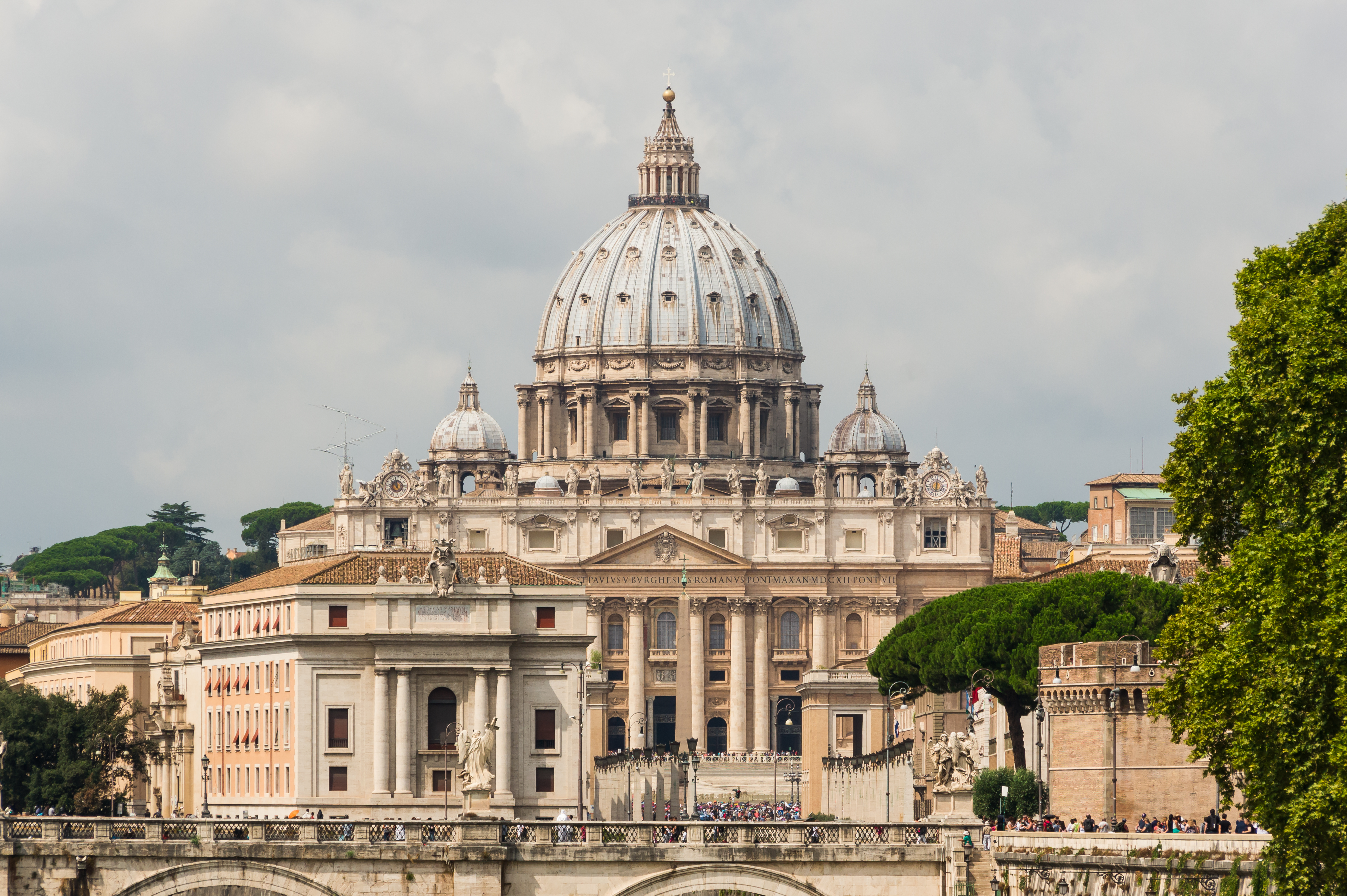
Catholicism's cultural footprint is immense, having shaped art, architecture, music, philosophy, and law across Europe and beyond for centuries. The Renaissance, for instance, was heavily patronized by the Catholic Church, leading to masterpieces by artists like Michelangelo and Raphael in the Sistine Chapel and St. Peter's Basilica. Catholic social teaching has influenced labor rights and social justice movements globally. Its liturgical practices and sacred music, from Gregorian chant to modern hymns, have permeated secular culture. The Church's extensive network of schools, hospitals, and charitable organizations, such as Caritas Internationalis, provide essential services to millions, demonstrating its enduring societal impact.
⚡ Current State & Latest Developments
Catholicism is navigating a complex global landscape. Pope Francis continues to advocate for social justice, environmental stewardship (as detailed in his encyclical Laudato Si'), and interfaith dialogue. The Church is grappling with the ongoing fallout from clerical abuse scandals, leading to reforms in accountability and transparency, such as the establishment of the Pontifical Commission for the Protection of Minors. Demographic shifts show continued growth in Africa and Asia, while Europe and North America face declining numbers and increasing secularization. The ongoing Synod on Synodality, initiated by Pope Francis, aims to foster greater participation and listening within the Church, reflecting a desire for internal reform and adaptation to contemporary challenges.
🤔 Controversies & Debates
Catholicism faces significant controversies, most notably the persistent issue of clerical sexual abuse and its handling by Church hierarchy, which has led to widespread criticism and calls for greater accountability. Debates also rage over the Church's stance on issues like LGBTQ+ rights, women's ordination, contraception, and the role of women in leadership, creating internal divisions and external friction. The Church's historical entanglement with political power, particularly during the medieval and early modern periods, remains a subject of critical historical analysis. Furthermore, theological interpretations and the application of Church doctrine in diverse cultural contexts often spark debate among believers and scholars alike.
🔮 Future Outlook & Predictions
The future of Catholicism is likely to be shaped by its demographic shifts towards the Global South, where younger, growing populations may bring new cultural expressions and theological emphases. The ongoing synodal process could lead to significant changes in Church governance and participation, though the extent of these reforms remains uncertain. Experts predict continued tension between traditionalist and progressive factions within the Church, particularly concerning social issues and doctrinal interpretation. The Church's response to secularization and its ability to engage younger generations will be critical. Some futurists speculate on the potential for further schisms or the emergence of more localized, culturally distinct forms of Catholicism, while others foresee a strengthening of papal authority in response to internal fragmentation.
💡 Practical Applications
Catholicism's practical applications are vast, extending far beyond its adherents. Its extensive network of over 200,000 schools worldwide educates millions of students annually, often providing accessible education in underserved regions. Catholic hospitals and healthcare facilities, numbering in the tens of thousands globally, deliver vital medical services, frequently operating in areas where public healthcare is scarce. The Church's charitable arm, Caritas Internationalis, coordinates disaster relief, poverty reduction programs, and development aid in over 200 countries. Catholic social teaching also informs the ethical frameworks of many organizations and individuals concerned with social justice, human dignity, and the common good, influencing policy debates on poverty, migration, and environmental protection.
Key Facts
- Category
- culture
- Type
- topic