
Contents
Overview
The roots of Celtic music stretch back millennia, deeply intertwined with the history and migrations of the Celtic peoples across Europe. Early forms were likely tied to ritual, storytelling, and communal gatherings, evolving through distinct regional variations. The development of instruments like the harp, bagpipes, and early fiddles played a crucial role in shaping its sound. The medieval period saw the emergence of distinct musical traditions in regions like Ireland and Scotland, often documented in manuscripts and oral histories. The diaspora, particularly the mass emigration from Ireland and Scotland in the 19th century, played a significant role in spreading Celtic musical forms to North America, Australia, and beyond, where they continued to evolve in new cultural contexts. The 20th century witnessed a conscious revival and popularization of these traditions, moving them from local pubs to international concert halls.
⚙️ How It Works
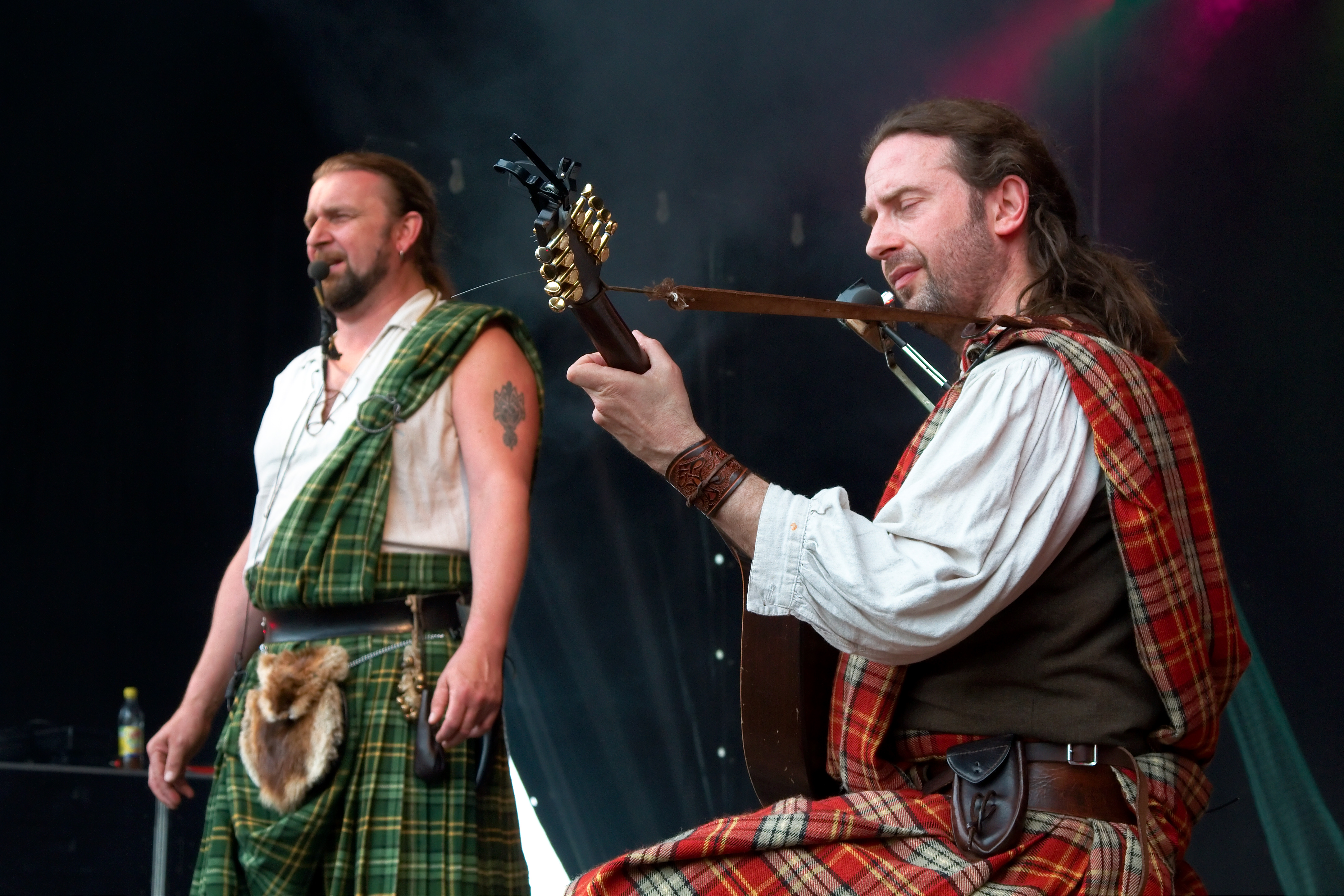
At its core, Celtic music is characterized by its melodic focus, often featuring intricate ornamentation and modal scales that differ from Western major/minor tonalities. Common instruments include the fiddle (violin), tin whistle, uilleann pipes (Irish bagpipes), accordion, bodhrán (frame drum), and guitar or bouzouki for harmonic accompaniment. Rhythmic structures often include jigs (6/8 time), reels (4/4 time), and hornpipes, providing a driving, danceable energy. While traditional Celtic music emphasizes instrumental virtuosity and ensemble playing, contemporary forms often incorporate vocals, with lyrics frequently drawn from folklore, history, and social commentary. The interplay between melody and rhythm is paramount, creating a sound that is both complex and immediately accessible, a hallmark of its enduring appeal in venues from intimate folk clubs to large festivals like the Glastonbury Festival.
📊 Key Facts & Numbers
The global Celtic music market is substantial, with an estimated 10-15 million active participants worldwide, including musicians, dancers, and dedicated listeners. Over 500 major Celtic music festivals are held annually across the globe, attracting hundreds of thousands of attendees. The genre boasts over 50,000 active recording artists, with major labels and independent distributors releasing an average of 1,000 new Celtic albums each year. Streaming platforms like Spotify and Apple Music feature dedicated Celtic playlists with millions of followers, and the genre garners over 2 billion streams annually. The economic impact of Celtic music tourism, particularly in Ireland and Scotland, is estimated to be over $500 million USD per year, supporting numerous venues, instrument makers, and educational institutions.
👥 Key People & Organizations
Numerous individuals and organizations have been instrumental in shaping and promoting Celtic music. Pioneers like Seán Ó Riada in Ireland and Calum Kennedy in Scotland were crucial in the mid-20th century revival. Contemporary artists such as Loreena McKennitt, The Chieftains, and Altan have achieved international acclaim, bringing traditional and contemporary Celtic sounds to vast audiences. Organizations like Comhaltas Ceoltóirí Éireann in Ireland and the Scottish Traditional Music Hall of Fame actively preserve and promote the heritage. Record labels like Claddagh Records and Green Linnet Records have been vital in documenting and distributing this music for decades, ensuring its continued legacy.
🌍 Cultural Impact & Influence
Celtic music's influence extends far beyond its geographical origins, permeating various aspects of global culture. Its melodic structures and instrumentation have inspired countless artists in genres ranging from new-age music and folk rock to film scores and video game soundtracks. The popularity of Celtic dance, particularly Irish step dance as showcased in shows like Riverdance, has further amplified its cultural reach. The aesthetic associated with Celtic music – often evoking images of misty landscapes, ancient history, and strong community bonds – has also influenced fashion, literature, and visual arts. Its enduring presence in popular culture, from the soundtracks of films like Braveheart to the playlists of millions, underscores its profound and lasting impact.
⚡ Current State & Latest Developments
The contemporary Celtic music scene is vibrant and diverse, characterized by a constant flux between tradition and innovation. Established artists continue to tour and record, while a new generation of musicians is pushing boundaries, incorporating electronic elements, global rhythms, and experimental approaches. Online platforms and social media, such as YouTube and Bandcamp, have become crucial for emerging artists to reach audiences and build communities, bypassing traditional gatekeepers. The rise of Celtic fusion genres, blending traditional sounds with hip-hop, electronic dance music, and even classical orchestration, is a significant trend. Festivals remain central to the scene, with events like the Celtic Connections festival in Glasgow attracting thousands and showcasing a wide spectrum of contemporary talent. The ongoing dialogue between preserving heritage and embracing modernity defines the current landscape.
🤔 Controversies & Debates
Debates surrounding Celtic music often center on authenticity and commercialization. Purists argue that certain modernizations, such as the heavy use of electronic effects or the incorporation of non-traditional instruments, dilute the genre's essence. Conversely, proponents of fusion argue that such experimentation is vital for the music's survival and relevance in the 21st century, allowing it to connect with new audiences. Another point of contention is the definition of 'Celtic' itself, with discussions arising about which nations and traditions truly belong under this umbrella, and whether the term has become too broad or even a marketing tool. The balance between respecting historical integrity and fostering creative evolution remains a persistent tension within the community.
🔮 Future Outlook & Predictions
The future of Celtic music appears robust, driven by its adaptability and global appeal. We can anticipate further hybridization, with artists exploring even more diverse collaborations and sonic landscapes. The increasing accessibility of music production technology will likely lead to a proliferation of independent artists and niche subgenres. Furthermore, the growing interest in cultural heritage and roots music globally suggests a continued demand for authentic and evolving folk traditions. Expect to see a greater integration of Celtic sounds into digital media, virtual reality experiences, and interactive musical platforms, potentially reaching audiences in ways we haven't yet imagined. The Vibe Score is projected to remain high, fueled by its emotional resonance and community-building power.
💡 Practical Applications
Celtic music finds practical application in numerous domains beyond pure entertainment. It is widely used in film and television scoring to evoke specific moods, historical settings, or emotional tones, notably in productions like Outlander. Its therapeutic qualities have led to its use in music therapy settings, where its calming melodies and rhythms can aid relaxation and stress reduction. In education, Celtic music serves as a valuable tool for teaching music theory, history, and cultural studies, particularly in music education programs focusing on folk traditions. Furthermore, it plays a significant role in cultural tourism, drawing visitors to regions with strong Celtic heritage, thereby supporting local economies and preserving cultural practices through events and performances.
Key Facts
- Category
- culture
- Type
- topic