
Contents
Overview
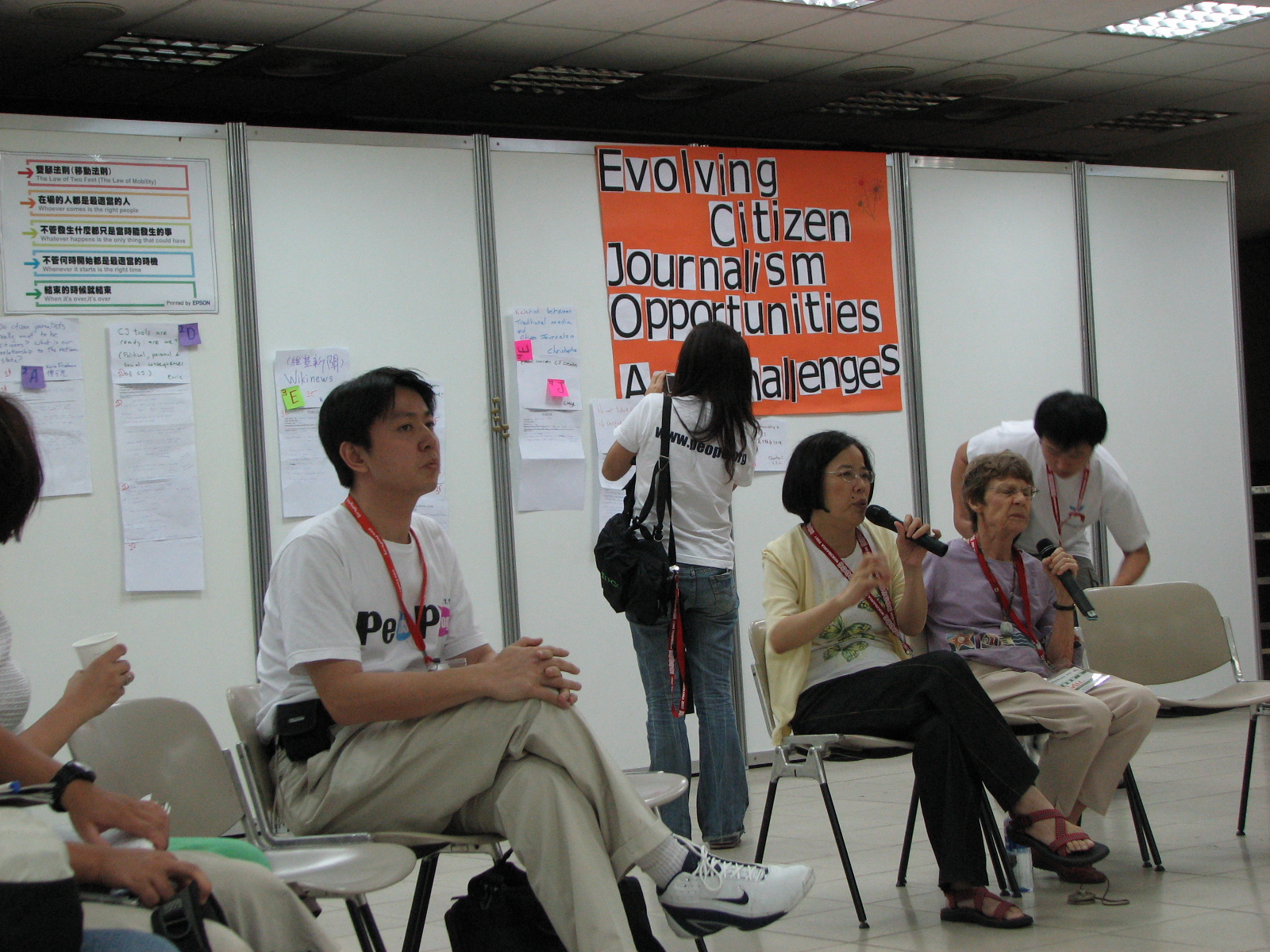
The roots of citizen journalism can be traced back to early forms of public discourse and pamphleteering, where individuals outside established presses shared their views and news. At its core, citizen journalism operates on the principle of distributed information gathering and sharing. Individuals equipped with smartphones, cameras, and internet access act as de facto reporters, documenting events as they unfold. This content is then disseminated through social media platforms like Twitter, Facebook, and YouTube, or through dedicated citizen journalism websites and blogs. The process often involves eyewitness accounts, amateur video footage, and personal narratives, which can then be aggregated, analyzed, and amplified by other citizens or, occasionally, by professional news outlets seeking alternative perspectives. Verification, when it occurs, is often community-driven, relying on cross-referencing multiple sources or expert analysis from within the network.
⚙️ How It Works
At its core, citizen journalism operates on the principle of distributed information gathering and sharing. Individuals equipped with smartphones, cameras, and internet access act as de facto reporters, documenting events as they unfold. This content is then disseminated through social media platforms like Twitter, Facebook, and YouTube, or through dedicated citizen journalism websites and blogs. The process often involves eyewitness accounts, amateur video footage, and personal narratives, which can then be aggregated, analyzed, and amplified by other citizens or, occasionally, by professional news outlets seeking alternative perspectives. Verification, when it occurs, is often community-driven, relying on cross-referencing multiple sources or expert analysis from within the network.
📊 Key Facts & Numbers
The scale of citizen journalism is staggering. The ongoing tension between professional journalism and citizen reporting persists, with many news organizations now actively incorporating user-generated content, albeit with stricter verification protocols. The rise of niche online communities and decentralized autonomous organizations (DAOs) also presents new models for collaborative news production and dissemination, pushing the boundaries of what constitutes 'journalism.'
👥 Key People & Organizations
While citizen journalism is inherently decentralized, several key figures and organizations have shaped its discourse and practice. Jay Rosen, a professor at New York University, is widely recognized for his articulation of the concept, particularly his definition: "When the people formerly known as the audience employ the press tools they have in their possession to inform one another." Courtney C. Radsch, a scholar and advocate for participatory media, has further defined it as an alternative and activist form of news gathering. Organizations like WITNESS train activists to use video for human rights advocacy, effectively employing citizen journalism principles. Platforms like Reddit also foster community-driven news aggregation and discussion, acting as informal hubs for citizen-reported information.
🌍 Cultural Impact & Influence
Citizen journalism has profoundly reshaped the media landscape, democratizing information and challenging the narrative control of traditional media. It has given voice to marginalized communities and provided crucial eyewitness accounts during crises, often forcing mainstream media to cover stories they might otherwise ignore. The rise of citizen reporting has also influenced professional journalism, pushing newsrooms to be more responsive, transparent, and inclusive. However, this influence is a double-edged sword, as the influx of unverified information can also contribute to misinformation and erode public trust in journalism as a whole.
⚡ Current State & Latest Developments
In 2024 and beyond, citizen journalism continues to evolve, increasingly intertwined with artificial intelligence and sophisticated digital tools. Platforms are developing AI-powered verification systems, while citizen journalists are experimenting with AI for content generation and analysis. The ongoing tension between professional journalism and citizen reporting persists, with many news organizations now actively incorporating user-generated content, albeit with stricter verification protocols. The rise of niche online communities and decentralized autonomous organizations (DAOs) also presents new models for collaborative news production and dissemination, pushing the boundaries of what constitutes 'journalism.'
🤔 Controversies & Debates
The controversies surrounding citizen journalism are significant and persistent. Ethical concerns also abound, including issues of privacy, consent, and the potential for bias or agenda-driven reporting. Critics argue that citizen journalism can lower journalistic standards and contribute to a fragmented, unreliable news environment. Conversely, proponents contend that these challenges are inherent to any form of communication and that the benefits of diverse voices and immediate reporting outweigh the risks, especially when balanced with professional journalistic practices.
🔮 Future Outlook & Predictions
The future of citizen journalism appears to be one of increasing integration and technological sophistication. We can anticipate further advancements in AI-assisted verification tools, making it easier for both citizen reporters and professional outlets to identify credible information. The lines between professional and citizen journalism will likely continue to blur, with more hybrid models emerging. There's also a growing potential for decentralized, blockchain-based platforms that could offer greater transparency and resistance to censorship, empowering citizen journalists with new tools for secure and verifiable reporting. The challenge will be to harness these advancements while maintaining journalistic integrity and combating the spread of false narratives.
💡 Practical Applications
Citizen journalism has numerous practical applications, serving as a vital source of information in diverse scenarios. Eyewitness accounts from citizens are crucial for documenting events like natural disasters, protests, and accidents, providing immediate, on-the-ground perspectives that professional journalists may not initially have access to. Activists and human rights organizations utilize citizen journalism to document abuses and advocate for change, often using mobile phones to capture evidence that can be shared globally. Furthermore, local communities can leverage citizen reporting to cover issues of specific interest to them, filling gaps left by shrinking local newsrooms and fostering greater civic engagement. Platforms like Wikinews actively solicit and curate contributions from citizen journalists worldwide.
Key Facts
- Category
- movements
- Type
- movement