
Contents
- 📚 What is Classroom Learning?
- 🎯 Who Benefits from Classroom Learning?
- 📍 The Traditional Classroom: A Historical View
- 💡 Pedagogy: The Art & Science of Teaching
- ⚖️ Classroom Dynamics: Collaboration vs. Competition
- 📈 Measuring Success: Assessment & Feedback
- 🌐 Beyond the Walls: Blended & Online Learning
- 🚀 The Future of the Classroom: Evolving Spaces
- Frequently Asked Questions
- Related Topics
Overview
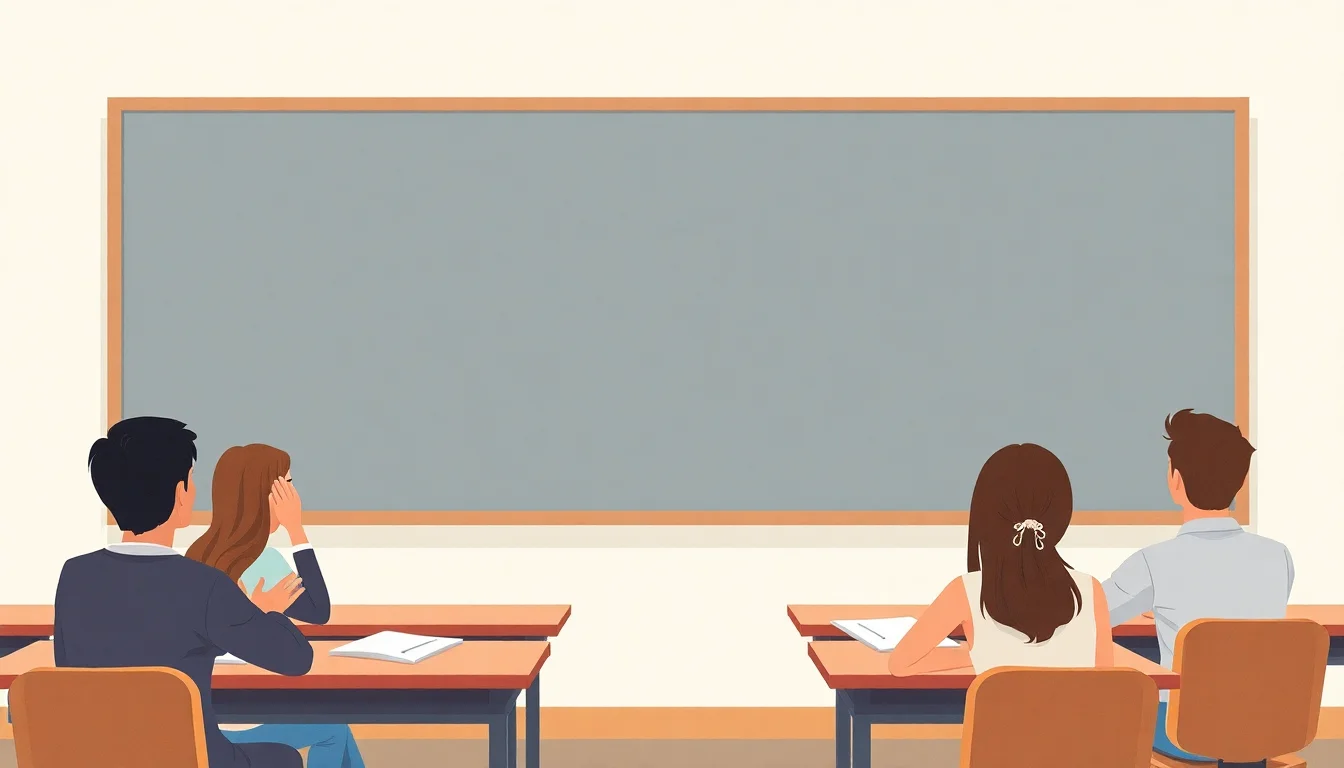
Classroom learning, at its heart, is the structured delivery of knowledge and skills within a dedicated physical space, typically a room within an educational institution. It's the bedrock of formal education, characterized by direct instruction from an educator to a group of learners. This method has historically relied on a teacher imparting information, often through lectures, discussions, and guided activities, fostering a shared learning environment. The physical proximity of students and instructors facilitates immediate feedback and dynamic interaction, a core component of its enduring appeal. This foundational approach underpins everything from early childhood education to advanced university seminars, making it a ubiquitous element of the global education system.
🎯 Who Benefits from Classroom Learning?
The primary beneficiaries of classroom learning are, of course, students across all age groups and academic levels. From kindergarten mastering their ABCs to university students grappling with complex theories, the structured environment provides a crucial scaffolding for development. Educators themselves benefit by honing their pedagogical skills and receiving direct feedback on their teaching effectiveness. Furthermore, parents and guardians gain a tangible point of engagement with their children's educational journey, observing progress and participating in school communities. The societal benefit is immense, as a well-educated populace drives innovation and civic engagement, forming the backbone of a functional society.
📍 The Traditional Classroom: A Historical View
The traditional classroom has deep historical roots, evolving from ancient Greek academies to the monastic schools of the Middle Ages and the standardized systems of the Enlightenment. Early models often emphasized rote memorization and discipline, a stark contrast to modern pedagogical approaches. The rise of the public school system in the 19th century, particularly with figures like Horace Mann advocating for universal education in the United States, solidified the classroom as the primary locus of learning. This era saw the development of standardized curricula and age-based grading, shaping the physical layout and social structure of classrooms for generations to come. The enduring legacy of these historical shifts is still visible in many educational institutions today, influencing everything from classroom design to teaching methodologies.
💡 Pedagogy: The Art & Science of Teaching
Pedagogy, the theory and practice of teaching, is the invisible engine driving effective classroom learning. It encompasses a vast array of strategies, from Socratic method and project-based learning to direct instruction and constructivist approaches. Different pedagogical philosophies, such as those championed by Maria Montessori or John Dewey, offer distinct frameworks for how knowledge is best acquired and how educators should facilitate that process. Understanding these diverse approaches is crucial for educators seeking to optimize student engagement and learning outcomes. The choice of pedagogy can profoundly impact the learning experience and the overall effectiveness of instruction.
⚖️ Classroom Dynamics: Collaboration vs. Competition
Within the classroom, a complex interplay of social dynamics shapes the learning environment. While collaboration, where students work together towards a common goal, is increasingly emphasized for developing teamwork and communication skills, elements of competition can also emerge. This can manifest through grading curves, academic awards, or simply the inherent drive to excel. The debate over fostering a collaborative versus a competitive atmosphere is ongoing, with proponents of each arguing for its unique benefits in preparing students for different aspects of life. Striking a balance that encourages both individual achievement and collective growth remains a key challenge for educators navigating these classroom dynamics.
📈 Measuring Success: Assessment & Feedback
Assessing student progress is a critical function of classroom learning, providing vital feedback to learners, educators, and parents. Traditional methods include summative assessments like final exams and standardized tests, designed to evaluate mastery at the end of a learning period. More contemporary approaches incorporate formative assessments, such as quizzes, class participation, and in-class assignments, which offer ongoing insights into understanding and allow for timely adjustments to instruction. Effective feedback goes beyond simply assigning a grade; it involves constructive commentary that guides students toward improvement and deeper comprehension. The quality and frequency of feedback are often cited as key determinants of student success.
🌐 Beyond the Walls: Blended & Online Learning
The digital revolution has undeniably impacted the traditional classroom, leading to the rise of blended learning models that combine in-person instruction with online components. online learning platforms and digital educational resources now supplement or, in some cases, entirely replace physical classroom time. This shift offers unprecedented flexibility and access to information, allowing for personalized learning paths and global collaboration. However, it also raises questions about equity, digital literacy, and the irreplaceable value of face-to-face human interaction in the learning process. The ongoing evolution of these models is reshaping the very definition of what a classroom can be, challenging established norms and practices in educational technology.
🚀 The Future of the Classroom: Evolving Spaces
The future of the classroom is less about four walls and a whiteboard and more about adaptable, technology-integrated learning environments. We're seeing a move towards flexible seating, collaborative workspaces, and the integration of virtual reality and augmented reality to create immersive learning experiences. The educator's role is shifting from a sole dispenser of information to a facilitator, guide, and mentor, orchestrating diverse learning activities. As artificial intelligence continues to advance, personalized learning pathways tailored to individual student needs and paces will likely become more prevalent. The question remains: how will these evolving spaces and tools redefine the fundamental human connection that has always been at the core of effective teaching and learning, and who will be best positioned to adapt to these changes?
Key Facts
- Year
- Circa 14th Century (formalized)
- Origin
- Medieval Universities
- Category
- Education
- Type
- Concept
Frequently Asked Questions
What are the main advantages of traditional classroom learning?
Traditional classroom learning offers direct, real-time interaction between students and educators, fostering immediate clarification of doubts and dynamic discussions. The structured environment promotes discipline and routine, which can be beneficial for many learners, especially younger ones. It also facilitates peer-to-peer learning and the development of social skills through constant group interaction. Furthermore, the physical presence of an educator can provide a sense of accountability and support that is harder to replicate in purely online settings, contributing to a robust learning community.
How has technology changed the classroom learning experience?
Technology has transformed classroom learning by introducing digital tools, interactive whiteboards, and online resources that supplement traditional methods. Learning management systems allow for easier assignment submission, grading, and communication. Furthermore, the integration of multimedia content, educational apps, and even virtual reality simulations can make lessons more engaging and accessible. This technological infusion supports differentiated instruction and provides students with more avenues to explore subjects, moving beyond the limitations of textbooks and lectures in modern education.
What is the difference between synchronous and asynchronous classroom learning?
Synchronous classroom learning occurs in real-time, with all participants (students and educator) present and interacting simultaneously, such as during a live lecture or a video conference. Asynchronous learning, conversely, allows participants to engage with materials and each other at their own pace and time, using pre-recorded lectures, discussion forums, or independent assignments. Both have their place; synchronous sessions are excellent for immediate feedback and collaborative activities, while asynchronous components offer flexibility and cater to diverse learning schedules, impacting student engagement.
How can educators create a more inclusive classroom environment?
Creating an inclusive classroom involves recognizing and valuing the diverse backgrounds, learning styles, and abilities of all students. Educators can achieve this by using varied teaching methods, providing multiple ways for students to demonstrate understanding, and ensuring that course materials are accessible and representative. Fostering a culture of respect, actively addressing biases, and encouraging open dialogue about differences are also crucial. Universal Design for Learning (UDL) principles offer a framework for designing instruction that benefits everyone, regardless of their individual needs or challenges, promoting equity in education.
What are the key debates surrounding the effectiveness of classroom learning today?
Major debates revolve around the optimal class size, the efficacy of standardized testing versus more holistic assessments, and the balance between teacher-led instruction and student-centered learning. There's also significant discussion about how to best integrate technology without sacrificing human connection and whether the traditional classroom model adequately prepares students for the rapidly changing demands of the modern workforce. The ongoing tension between traditional pedagogical approaches and innovative, often technology-driven, methods defines much of the current discourse in educational reform.
How does classroom learning contribute to a student's social and emotional development?
Classroom learning is a primary arena for developing crucial social and emotional skills. Through daily interactions with peers and educators, students learn to navigate social cues, manage conflicts, practice empathy, and build relationships. Collaborative projects teach teamwork and communication, while structured environments help develop self-regulation and responsibility. The classroom provides a safe space to experience successes and setbacks, fostering resilience and emotional intelligence under the guidance of experienced adults, which is vital for holistic development.