
Contents
Overview
Coal mining is the complex, multi-stage process of extracting coal from the Earth's crust, a practice that has fueled industrial revolutions and continues to be a significant global energy source, albeit with substantial environmental and health implications. The process begins with exploration and site assessment, followed by the physical extraction of coal through either surface mining (strip mining, mountaintop removal) or underground mining (room and pillar, longwall mining). Once extracted, the raw coal undergoes preparation, including crushing, screening, and washing, to remove impurities and achieve market specifications. This entire operation, from the initial blast to the final shipment, is a high-risk, capital-intensive endeavor involving specialized machinery, extensive infrastructure, and a workforce facing inherent dangers. Despite declining reliance in some regions, coal mining remains a critical economic activity in many parts of the world, with ongoing debates surrounding its sustainability, safety, and the transition to cleaner energy alternatives.
🎵 Origins & History
The history of coal mining stretches back millennia, with evidence of its use by ancient civilizations like the Romans for heating and metallurgy as early as the Neolithic period. Early methods were rudimentary, often involving manual labor and basic tools, leading to perilous working conditions. The development of technologies like the steam engine revolutionized pumping water out of mines, enabling deeper extraction. By the 19th century, innovations began to improve efficiency and safety, though disasters remained tragically common. The expansion of railways and the burgeoning steel industry in the United States and continental Europe further cemented coal's role as the backbone of industrial power for over a century.
⚙️ How It Works
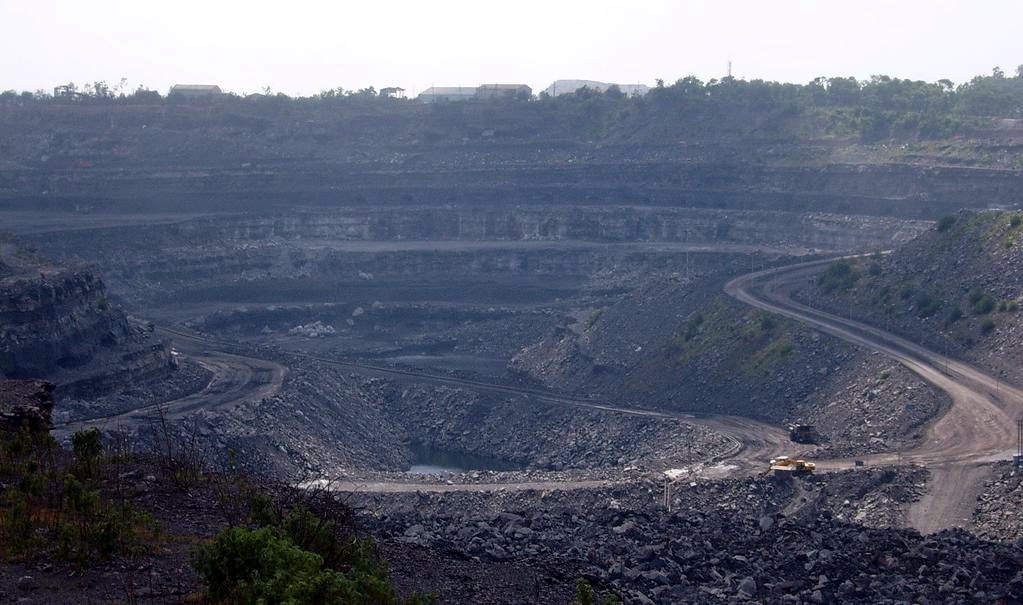
Coal mining fundamentally involves accessing and removing coal seams from the earth. The process begins with geological surveys and exploratory drilling to identify viable deposits. For surface mining, which is feasible when coal seams are relatively shallow, overburden (soil and rock) is removed using massive excavators and draglines to expose the coal. Techniques include strip mining for horizontal seams and mountaintop removal in mountainous regions, where entire peaks are blasted away. Underground mining is employed for deeper seams and involves creating shafts or adits to access the coal. Common underground methods include room and pillar mining, where coal is extracted from a network of rooms, leaving pillars of coal to support the roof, and longwall mining, a more efficient but complex method using a shearer machine to extract a long panel of coal, allowing the roof behind it to collapse in a controlled manner. After extraction, coal is transported to the surface, crushed, screened, and often washed in preparation plants to remove impurities like sulfur and ash, meeting specific grade requirements for power generation or industrial use.
📊 Key Facts & Numbers
Globally, coal mining is a colossal industry. Surface mining accounts for approximately 60-70% of global coal production, while underground mining makes up the remaining 30-40%. Coal-fired power plants generate roughly 35% of the world's electricity, consuming over 7 billion tons of coal annually. The health impacts are stark: studies suggest that for every terawatt-hour of electricity generated by coal, approximately 25 premature deaths occur worldwide, a rate significantly higher than nuclear power or renewable energy sources.
👥 Key People & Organizations
Key figures and organizations have shaped the coal mining landscape. The United Mine Workers of America (UMWA) has been a pivotal force in advocating for miners' rights and safety, engaging in numerous high-profile strikes and negotiations with major coal companies. In the realm of technology, companies have been instrumental in developing advanced mining machinery. Environmental organizations such as the Natural Resources Defense Council (NRDC) and Greenpeace actively campaign against coal's environmental damage, influencing policy and public opinion. Government bodies like the U.S. Environmental Protection Agency (EPA) and the Occupational Safety and Health Administration (OSHA) set and enforce regulations governing mining practices and environmental emissions.
🌍 Cultural Impact & Influence
Coal mining's cultural footprint is immense, deeply intertwined with the rise of industrial societies. It fueled the Victorian era's expansion, inspired folk music and literature, and shaped the identity of numerous communities, particularly in regions like Appalachia in the United States and the Ruhr Area in Germany. The romanticized, yet often brutal, image of the coal miner became a powerful symbol of working-class grit and resilience, appearing in countless films, novels, and songs. However, this cultural legacy is also marked by tragedy and struggle, with mining disasters like the Courrières mine disaster of 1906 (killing 1,099 miners) and the ongoing health crises, such as black lung disease, leaving indelible scars on mining communities. The very term 'black gold' reflects its historical economic importance, while 'coal dust' evokes the pervasive environmental and health consequences.
⚡ Current State & Latest Developments
The global coal mining industry is currently navigating a complex transition. While production remains high in many developing nations to meet energy demands, developed countries are increasingly phasing out coal power. In the United States, coal production has seen a significant decline, with many mines closing due to economic unviability and competition from cheaper natural gas and renewable energy sources. The Paris Agreement and similar international accords are driving policy shifts towards decarbonization, impacting investment in new coal projects. Technological advancements continue, with a focus on automation, improved safety systems, and more efficient extraction techniques, but the overarching trend is a gradual reduction in coal's global energy share. For instance, the European Union has set ambitious targets for coal phase-out, with countries like Germany and the United Kingdom making substantial progress.
🤔 Controversies & Debates
The coal mining process is fraught with controversy, primarily centered on its environmental and human costs. Critics point to the devastating impact of climate change driven by coal's massive CO2 emissions, which contribute significantly to global warming. Acid rain, caused by sulfur dioxide released during combustion, damages ecosystems and infrastructure. Mountaintop removal mining is particularly contentious, leading to habitat destruction, water pollution, and the burial of valleys. Health concerns are paramount, with miners facing high risks of respiratory diseases like pneumoconiosis (black lung) and silicosis, as well as accidents from explosions, collapses, and machinery. Furthermore, the extraction of heavy metals and radioactive elements present in coal ash poses long-term contamination risks to soil and water. Debates rage over the economic necessity of coal versus the imperative for environmental protection and public health, particularly in regions heavily reliant on mining jobs.
🔮 Future Outlook & Predictions
The future of coal mining is largely dictated by the global energy transition. While demand is projected to decline in many established markets, it may persist or even grow in some developing economies for several more years, driven by energy security and affordability conc
Key Facts
- Category
- technology
- Type
- topic