
Contents
Overview
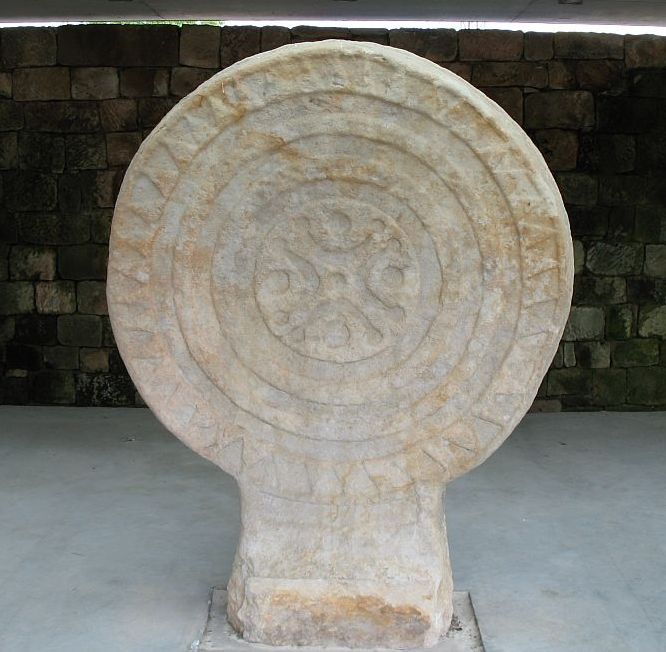
The genesis of coastal mythology is as ancient as human settlement along shorelines, stretching back to the Neolithic period when early communities first observed the sea's rhythms and its bounty. Prehistoric cave paintings, such as those found in Lascaux, hint at early reverence for marine life, suggesting a foundational connection to oceanic forces. The Phoenicians, renowned mariners, wove tales of sea gods and perilous journeys into their culture, influencing later Mediterranean mythologies. The Cantabri, a pre-Roman people of northern Iberia, possessed their own distinct mythology tied to the Atlantic coast, which later saw dilution by Celtic and Roman influences, eventually yielding to Christian syncretism. This historical trajectory highlights a consistent pattern: as humans expanded their reach across oceans, their mythologies evolved to encompass the vast, unknown world beyond the horizon.
⚙️ How It Works
Coastal mythology functions as a symbolic language, translating the unpredictable and often overwhelming power of the sea into relatable narratives and divine figures. Deities like Poseidon (Greek) or Neptune (Roman) embody the sea's dual nature—its capacity for both life-giving calm and catastrophic fury. Sea monsters, such as the Kraken of Norse lore or the Leviathan of biblical accounts, represent the primal fear of the unknown depths and the dangers of maritime travel. The concept of the siren or mermaid illustrates the allure and peril of the sea, often symbolizing temptation or the seductive danger of the unknown. These myths are not static; they adapt to the technological advancements and cultural shifts of their societies, from the earliest dugout canoes to the age of container ships and submarines, reflecting a continuous dialogue between humanity and the marine environment.
📊 Key Facts & Numbers
In Japan, over 20,000 islands contribute to a rich tapestry of Shinto deities and spirits associated with the ocean, such as Ryūjin, the dragon king of the sea. The Polynesian navigators, who settled vast oceanic expanses, developed mythologies centered on sea gods like Tangaroa and epic voyages guided by celestial navigation and ancestral stories. The Inuit of the Arctic regions tell tales of Sedna, the mother of sea animals, whose mood dictates the success of hunting expeditions. The economic impact of maritime activities, from fishing to global trade, underscores the practical importance of these ancient narratives, which often served to guide human behavior at sea.
👥 Key People & Organizations
While no single organization exclusively curates coastal mythology, its study is advanced by numerous institutions and scholars. Maritime museums worldwide, such as the National Maritime Museum in Greenwich, England, and the Mystic Seaport Museum in Connecticut, preserve artifacts and narratives related to seafaring cultures. Academics in fields like anthropology, folklore studies, and comparative mythology contribute significantly; scholars like Mircea Eliade explored the symbolic significance of water in global mythologies, while Joseph Campbell analyzed the archetypal hero's journey, often involving oceanic crossings. Organizations like the International Maritime Organization (IMO), though focused on regulation, indirectly engage with the cultural heritage tied to global maritime practices. The ongoing work of folklorists in documenting oral traditions in coastal communities, from Ireland to Vietnam, ensures these stories are not lost to time.
🌍 Cultural Impact & Influence
Coastal mythology has profoundly shaped human culture, influencing literature, art, music, and even language. Artists have long been inspired by the sea's majesty and terror, from J.M.W. Turner's tempestuous seascapes to Hokusai's iconic Great Wave off Kanagawa. Musical genres, from sea shanties sung by sailors to the evocative scores of films like Pirates of the Caribbean, draw heavily on maritime themes. Even everyday language is peppered with nautical metaphors, such as 'all hands on deck' or 'navigating troubled waters,' demonstrating the pervasive influence of sea lore on our collective consciousness.
⚡ Current State & Latest Developments
In the 21st century, coastal mythology continues to evolve, adapting to new environmental and technological realities. The concept of the siren might be re-envagined as a symbol of environmental warning, or tales of sea gods could reflect the urgency of ocean conservation. Furthermore, the rise of digital platforms and virtual reality offers new avenues for experiencing and interacting with these narratives, allowing for immersive storytelling that can reach global audiences in unprecedented ways.
🤔 Controversies & Debates
The interpretation and preservation of coastal mythology are subjects of ongoing debate. The Cantabri's mythology, for example, saw dilution by Celtic and Roman influences, eventually yielding to Christian syncretism. Scholars debate the extent to which ancient myths were literal accounts versus symbolic representations of natural forces or human psychology. There's also tension between academic study and the commercialization of myths, particularly concerning figures like mermaids and pirates, which can sometimes trivialize their deeper cultural significance. The debate over the authenticity of oral traditions versus written records also presents a challenge, with some arguing that the act of writing down a myth can alter its essence, a point often raised by folklorists studying indigenous knowledge systems.
🔮 Future Outlook & Predictions
The future of coastal mythology appears dynamic, driven by both environmental concerns and technological innovation. As coastal communities grapple with the realities of sea-level rise and the degradation of marine environments, new myths or reinterpretations of old ones are likely to emerge, reflecting these urgent challenges. We might see the rise of 'eco-myths' that personify environmental crises or celebrate ecological resilience. The exploration of the deep sea, with advancements in submersible technology and oceanography, continues to unveil new mysteries, potentially inspiring narratives akin to ancient sea monster tales. Furthermore, the increasing global connectivity through the internet and social media allows for the rapid dissemination and cross-pollination of coastal myths, creating hybrid narratives that blend traditions from disparate cultures. The development of AI-generated art and storytelling tools could also lead to novel forms of coastal myth-making, pushing the boundaries of what these stories can be and how they are experienced.
💡 Practical Applications
Coastal mythology finds practical application in various domains, extending beyond mere storytelling. It informs tourism and cultur
Key Facts
- Category
- culture
- Type
- topic