
Contents
- ☕ What's the Vibe: Coffee Experiences Defined
- 📍 Where to Find Your Fix: Global Hotspots
- 💰 The Cost of Culture: Pricing Tiers
- ⭐ Vibe Scores & Ratings: What the Community Says
- 🤔 Beyond the Bean: Experiential Dimensions
- 💡 The Craft: From Bean to Brew
- 📈 Trends & Futures: What's Next for Coffee Culture
- ⚖️ The Great Debate: Specialty vs. Mass Market
- 🗺️ Navigating the Scene: Tips for Enthusiasts
- 🤝 Connect & Explore: Getting Involved
- Frequently Asked Questions
- Related Topics
Overview
Coffee experiences are a global phenomenon, extending far beyond a simple morning caffeine fix. From the meticulous pour-over rituals of specialty cafes to the communal buzz of traditional coffee houses, the way we consume coffee is deeply intertwined with culture, social interaction, and personal identity. This encompasses everything from the historical evolution of coffeehouses as centers of intellectual discourse to the modern-day rise of third-wave coffee, emphasizing origin, processing, and brewing techniques. Understanding coffee experiences means appreciating the sensory journey – the aroma, the taste, the texture – as well as the socio-economic forces shaping its production and consumption worldwide.
☕ What's the Vibe: Coffee Experiences Defined
Coffee experiences are more than just a caffeine jolt; they're a spectrum of sensory, social, and cultural engagements centered around the humble coffee bean. This encompasses everything from the hushed reverence of a single-origin tasting at a specialty coffee shop to the boisterous camaraderie of a bustling Italian espresso bar. For the casual drinker, it might mean a quick, reliable cup from a chain coffeehouse, while for the aficionado, it’s a deep dive into terroir, processing methods, and brewing techniques. Vibepedia tracks these experiences, assigning a Vibe Score based on cultural energy, innovation, and community engagement.
📍 Where to Find Your Fix: Global Hotspots
The global coffee experience is a decentralized network, but certain cities pulse with exceptional energy. Melbourne, Australia is legendary for its dense concentration of innovative cafes and a deeply ingrained coffee culture, often cited as a benchmark. Tokyo, Japan offers a fascinating blend of meticulous, almost ritualistic, coffee preparation and a vibrant, trend-setting cafe scene. In Seattle, USA, the birthplace of Starbucks, the legacy of large-scale coffee culture continues to evolve alongside a thriving independent specialty scene. Even smaller cities can boast significant coffee hubs, driven by local passion and a growing appreciation for quality.
💰 The Cost of Culture: Pricing Tiers
The economic spectrum of coffee experiences is vast. A standard drip coffee from a large chain might cost $2-$4 USD, offering accessibility and convenience. Specialty coffee, however, commands higher prices, with a pour-over or espresso-based drink often ranging from $4-$7 USD, reflecting the cost of high-quality beans, skilled labor, and meticulous preparation. Some ultra-premium experiences, like rare geisha varietal tastings or coffee brewed with specialized equipment, can push prices even higher, sometimes exceeding $10-$15 for a single cup. These price points often correlate with the perceived quality and exclusivity of the experience.
⭐ Vibe Scores & Ratings: What the Community Says
Vibepedia's Vibe Scores for coffee experiences range widely. Elite specialty cafes, lauded for their innovation and community impact, might score 85-95, representing peak cultural energy. Well-established, high-quality neighborhood cafes often sit in the 70-85 range, indicating consistent excellence and strong local following. Mainstream chains, while popular, typically score lower (40-60) due to their focus on standardization over unique cultural expression. User ratings on platforms like Google Maps and Yelp often echo these sentiments, with independent shops frequently receiving higher average scores for service and product quality.
🤔 Beyond the Bean: Experiential Dimensions
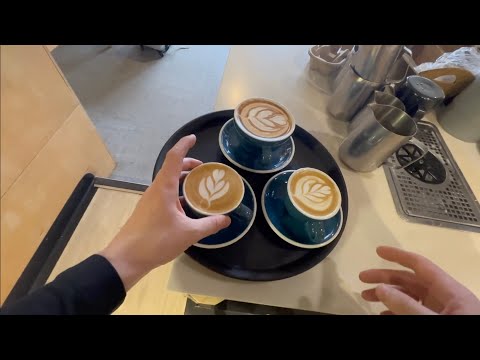
Beyond the cup itself, coffee experiences offer diverse dimensions. 'Third wave' coffee culture emphasizes the origin, quality, and artistry of coffee, often featuring single-origin beans and detailed brewing methods. 'Second wave' coffee, epitomized by chains like Starbucks, focuses on the social aspect and a wider range of espresso-based drinks. Then there's the 'first wave,' the historical context of coffee as a commodity and a daily necessity. Modern experiences can also include coffee education workshops, latte art competitions, and even coffee-themed travel, blurring the lines between a beverage and a lifestyle.
💡 The Craft: From Bean to Brew
The journey from bean to cup is a complex engineering feat and an art form. It begins with coffee farming, where varietal, terroir, and processing (washed, natural, honey) profoundly impact flavor. Roasting is a critical step, transforming green beans through precise temperature and time control, with roasters like Blue Bottle Coffee and Counter Culture Coffee known for their expertise. Brewing methods – espresso, pour-over, Aeropress, siphon – each require specific techniques and equipment to extract optimal flavor. The skill of the barista is paramount, translating the roaster's craft into a delicious beverage for the consumer.
📈 Trends & Futures: What's Next for Coffee Culture
The future of coffee experiences is dynamic. We're seeing a rise in functional coffee incorporating adaptogens or nootropics, and a growing interest in sustainable and ethical sourcing, with certifications like Fair Trade gaining prominence. Cold brew and nitro coffee continue to dominate the ready-to-drink market, offering smooth, less acidic profiles. Expect further innovation in brewing technology, perhaps even AI-driven brewing systems, and a continued emphasis on traceability and transparency in the supply chain. The metaverse is also beginning to explore virtual coffee experiences, a nascent but intriguing development.
⚖️ The Great Debate: Specialty vs. Mass Market
A central tension in the coffee world is the debate between specialty coffee and mass-market coffee. Specialty advocates champion quality, transparency, and the unique flavor profiles of meticulously sourced and prepared beans, often criticizing the perceived mediocrity and ethical ambiguities of larger corporations. Mass-market proponents, however, highlight accessibility, affordability, and the consistent, familiar taste that millions rely on daily. This isn't just about taste; it's about competing visions of coffee's role in society – as a craft beverage or a ubiquitous utility.
🤝 Connect & Explore: Getting Involved
To truly immerse yourself, consider joining a local coffee community. Many cities have coffee clubs or meetups where enthusiasts gather to share knowledge and taste new coffees. Follow influential roasters and baristas on social media for insights into brewing techniques and new releases. For those interested in the business side, explore resources on coffee sourcing and cafe management. Engaging with the global coffee community, whether online or in person, opens doors to a world of shared passion and continuous learning.
Key Facts
- Year
- 1450
- Origin
- Ethiopia
- Category
- Food & Drink
- Type
- Topic
Frequently Asked Questions
What's the difference between 'first,' 'second,' and 'third wave' coffee?
First wave coffee focused on making coffee accessible and affordable, like Folgers. Second wave, popularized by chains like Starbucks, emphasized espresso-based drinks and the cafe as a social space. Third wave coffee, emerging in the early 2000s, treats coffee as an artisanal product, focusing on origin, quality, and meticulous brewing methods, similar to wine or craft beer.
How can I improve my home coffee brewing?
Invest in a quality grinder and grind your beans fresh for each brew. Use filtered water, as tap water impurities can affect taste. Experiment with different brewing methods like pour-over, Aeropress, or French press to find what suits your palate. Pay attention to the coffee-to-water ratio and water temperature, as these are crucial for optimal extraction.
What does 'single origin' mean in coffee?
Single origin coffee refers to beans that come from a specific, identifiable geographical location, such as a single farm, cooperative, or region within a country. This allows consumers to taste the unique characteristics (terroir) of that particular place, much like wine from a specific vineyard. It contrasts with blends, which combine beans from multiple origins for a consistent, balanced flavor profile.
Is expensive coffee always better?
Not necessarily, but higher prices often reflect higher quality inputs and more labor-intensive processes. Specialty coffees command higher prices due to the quality of the beans (often scoring 80+ points by SCA standards), ethical sourcing practices, meticulous roasting, and skilled barista preparation. However, personal preference plays a huge role; a simple, well-brewed cup from a less expensive bean might be more enjoyable for some than a complex, costly one.
What are the most important factors for a good coffee experience?
Key factors include the quality and freshness of the coffee beans, the skill of the roaster and barista, the chosen brewing method, and the overall atmosphere of the cafe. For many, the social aspect – whether it's a quiet moment alone or a chat with friends – is equally important. Cleanliness of equipment and a welcoming environment also contribute significantly.
How do I choose a coffee shop if I'm new to specialty coffee?
Look for shops that clearly display information about their beans (origin, roast date), offer multiple brewing methods, and have knowledgeable staff who are happy to answer questions. Cafes that roast their own beans often have a deep understanding of their product. Reading online reviews can also give you a sense of the shop's vibe and quality.