
Contents
- 🎵 Origins & History
- ⚙️ How It Works
- 📊 Key Facts & Numbers
- 👥 Key People & Organizations
- 🌍 Cultural Impact & Influence
- ⚡ Current State & Latest Developments
- 🤔 Controversies & Debates
- 🔮 Future Outlook & Predictions
- 💡 Practical Applications
- 📚 Related Topics & Deeper Reading
- Frequently Asked Questions
- References
- Related Topics
Overview
The history of computer hardware spans from simple mechanical devices to complex digital computers, with significant advancements in analog and digital technology. The first computing devices were mechanical, requiring manual setup and manipulation to perform basic arithmetic operations. The development of transistor technology and integrated circuit chips led to revolutionary breakthroughs, enabling the creation of faster, smaller, and more efficient computers. Today, computers are an integral part of modern life, with applications in various fields, including science, medicine, finance, and entertainment. The history of computer hardware is a story of continuous innovation, with key players like Charles Babbage, Alan Turing, and Steve Jobs contributing to its development. With the rise of artificial intelligence and Internet of Things, the future of computing is expected to be even more exciting and transformative. The computer history is also closely tied to the development of programming languages and software development.
🎵 Origins & History
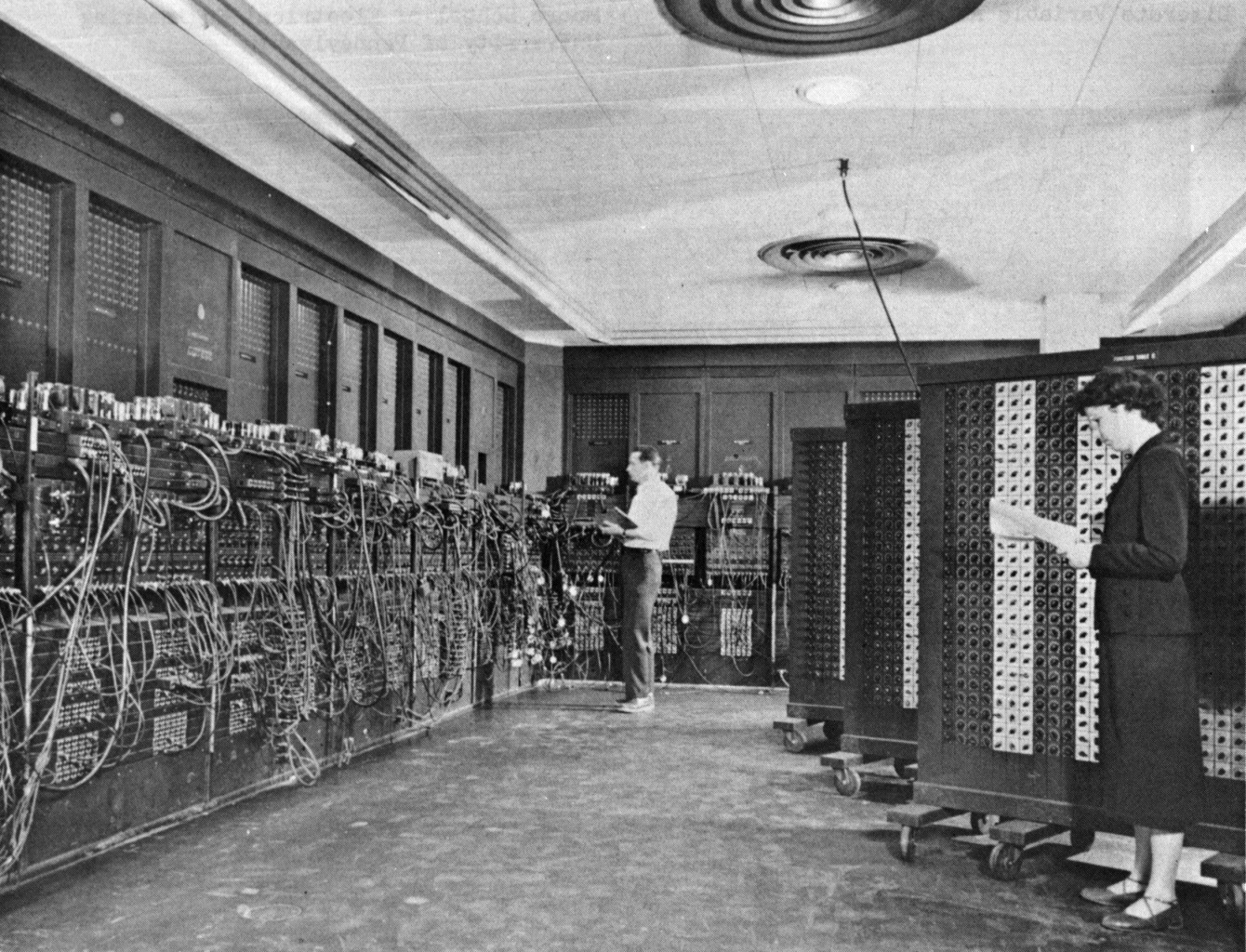
The history of computer hardware began with the development of mechanical devices, such as the abacus and the astrolabe, which were used for simple calculations. The first mechanical computer, the Difference Engine, was designed by Charles Babbage in the early 19th century. Later, the development of electronic computers, such as ENIAC, marked a significant milestone in the history of computing. The invention of the transistor by John Bardeen, Walter Brattain, and William Shockley in 1947 revolutionized the field of electronics and paved the way for the development of smaller, faster, and more efficient computers.
⚙️ How It Works
The basic components of a computer include the central processing unit (CPU), memory, and input/output devices. The CPU, also known as the processor, executes instructions and performs calculations. Memory, such as RAM and hard disk drive, stores data and programs. Input/output devices, such as keyboards, monitors, and printers, allow users to interact with the computer. The development of operating systems, such as Windows and Linux, has enabled computers to manage hardware resources and provide a platform for running applications.
📊 Key Facts & Numbers
Key facts about computer history include the development of the first electronic computer, ENIAC, in 1946, which weighed over 27 tons and used over 17,000 vacuum tubes. The first commercial computer, UNIVAC 1, was released in 1951 and cost around $159,000. The development of the microprocessor in 1971 led to the creation of personal computers, such as the Apple II and the IBM PC. Today, computers are used in various fields, including science, medicine, finance, and entertainment, with over 2 billion people using the internet worldwide.
👥 Key People & Organizations
Key people in the history of computer hardware include Charles Babbage, who designed the first mechanical computer, and Alan Turing, who developed the theoretical foundations of modern computer science. Other notable figures include Steve Jobs and Steve Wozniak, who co-founded Apple and developed the Apple II personal computer. Bill Gates and Paul Allen co-founded Microsoft and developed the Windows operating system.
🌍 Cultural Impact & Influence
The cultural impact of computer history has been significant, with computers revolutionizing the way people live, work, and communicate. The development of the internet has enabled global connectivity and access to information, with over 4 billion people using the internet worldwide. Computers have also had a significant impact on the economy, with the technology industry being one of the largest and fastest-growing sectors. However, the development of computers has also raised concerns about privacy, security, and job displacement.
⚡ Current State & Latest Developments
The current state of computer hardware is characterized by the development of artificial intelligence, machine learning, and Internet of Things. The use of cloud computing and big data has enabled the processing and analysis of large amounts of data, leading to new insights and discoveries. The development of quantum computing is expected to revolutionize the field of computing, with potential applications in fields such as medicine, finance, and climate modeling.
🤔 Controversies & Debates
Controversies and debates in the history of computer hardware include the development of proprietary software and the impact of patent laws on innovation. The use of surveillance technology has raised concerns about privacy and security. The development of autonomous vehicles has raised concerns about job displacement and safety.
🔮 Future Outlook & Predictions
The future outlook for computer hardware is expected to be exciting and transformative, with the development of artificial intelligence, machine learning, and Internet of Things. The use of quantum computing is expected to revolutionize the field of computing, with potential applications in fields such as medicine, finance, and climate modeling. The development of augmented reality and virtual reality is expected to change the way people interact with computers and access information.
💡 Practical Applications
Practical applications of computer hardware include the use of computers in various fields, such as science, medicine, finance, and entertainment. Computers are used in scientific research, such as climate modeling and genomics. They are also used in medical diagnosis and treatment, such as medical imaging and personalized medicine.
Key Facts
- Year
- 1946
- Origin
- United States
- Category
- technology
- Type
- concept
Frequently Asked Questions
What is the history of computer hardware?
The history of computer hardware spans from simple mechanical devices to complex digital computers, with significant advancements in analog and digital technology. The first computing devices were mechanical, requiring manual setup and manipulation to perform basic arithmetic operations. The development of transistor technology and integrated circuit chips led to revolutionary breakthroughs, enabling the creation of faster, smaller, and more efficient computers.
Who are the key people in the history of computer hardware?
Key people in the history of computer hardware include Charles Babbage, who designed the first mechanical computer, and Alan Turing, who developed the theoretical foundations of modern computer science. Other notable figures include Steve Jobs and Steve Wozniak, who co-founded Apple and developed the Apple II personal computer.
What are the practical applications of computer hardware?
Practical applications of computer hardware include the use of computers in various fields, such as science, medicine, finance, and entertainment. Computers are used in scientific research, such as climate modeling and genomics. They are also used in medical diagnosis and treatment, such as medical imaging and personalized medicine.
What is the current state of computer hardware?
The current state of computer hardware is characterized by the development of artificial intelligence, machine learning, and Internet of Things. The use of cloud computing and big data has enabled the processing and analysis of large amounts of data, leading to new insights and discoveries. The development of quantum computing is expected to revolutionize the field of computing, with potential applications in fields such as medicine, finance, and climate modeling.
What are the controversies and debates in the history of computer hardware?
Controversies and debates in the history of computer hardware include the development of proprietary software and the impact of patent laws on innovation. The use of surveillance technology has raised concerns about privacy and security. The development of autonomous vehicles has raised concerns about job displacement and safety.
What is the future outlook for computer hardware?
The future outlook for computer hardware is expected to be exciting and transformative, with the development of artificial intelligence, machine learning, and Internet of Things. The use of quantum computing is expected to revolutionize the field of computing, with potential applications in fields such as medicine, finance, and climate modeling. The development of augmented reality and virtual reality is expected to change the way people interact with computers and access information.
How has computer hardware impacted society?
The impact of computer hardware on society has been significant, with computers revolutionizing the way people live, work, and communicate. The development of the internet has enabled global connectivity and access to information, with over 4 billion people using the internet worldwide. Computers have also had a significant impact on the economy, with the technology industry being one of the largest and fastest-growing sectors.
What are the related topics and deeper reading for computer hardware?
Related topics and deeper reading include the history of software development, the development of programming languages, and the impact of computer science on society. The history of computer hardware is closely tied to the development of electronics and telecommunications.