
Contents
Overview
The genesis of the conceptual album can be traced back to early 20th-century musical storytelling, with Woody Guthrie's Dust Bowl Ballads (1940) often cited as a foundational work, presenting a unified narrative of the Great Depression. Frank Sinatra further explored thematic coherence in his 1940s and 50s albums, though the term 'concept album' gained widespread traction with the rise of rock music. Precursors like The Beach Boys' Pet Sounds, a meticulously crafted suite of interconnected songs exploring themes of adolescence and disillusionment, paved the way. However, it was The Beatles' Sgt. Pepper's Lonely Hearts Club Band, which truly popularized the concept album, presenting a fictional band and a unified sonic experience that redefined album as art. This era also saw the emergence of progressive rock bands like Genesis and Yes, who embraced elaborate conceptual frameworks.
⚙️ How It Works
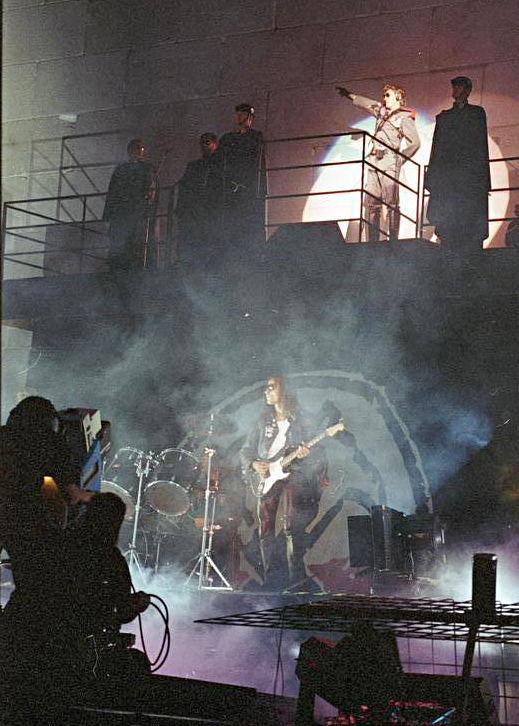
A conceptual album operates by weaving a common thread through its tracklist, transforming individual songs into chapters of a larger work. This thread can be a narrative, as seen in Pink Floyd's The Wall, which chronicles the psychological breakdown of its protagonist, Pink. Alternatively, the concept might be thematic, exploring a philosophical idea, a historical event, or a specific emotional state, such as David Bowie's The Rise and Fall of Ziggy Stardust and the Spiders from Mars, which presents an alien rock star. The sonic architecture of the album also plays a crucial role, with recurring musical motifs, instrumental interludes, and consistent production choices reinforcing the central idea, creating an immersive listening experience that transcends the sum of its parts.
📊 Key Facts & Numbers
The conceptual album format has seen varying degrees of commercial success and critical acclaim. Pink Floyd's The Dark Side of the Moon, a thematic exploration of life's pressures, has spent over 900 weeks on the Billboard 200 chart, demonstrating enduring appeal. Green Day's American Idiot, a rock opera about post-9/11 America, sold over 6 million copies in the US. While precise global sales figures for conceptual albums are difficult to isolate, the genre has consistently produced multi-platinum records, with many considered landmark achievements in music history, often ranking high on 'greatest albums of all time' lists compiled by publications like Rolling Stone.
👥 Key People & Organizations
Key figures instrumental in shaping the conceptual album include Woody Guthrie, whose early thematic collections laid groundwork. Frank Sinatra's curated albums demonstrated the power of a unified artistic vision. Brian Wilson of The Beach Boys is lauded for the sophisticated arrangements and thematic depth of Pet Sounds. John Lennon and Paul McCartney of The Beatles are credited with popularizing the format with Sgt. Pepper's Lonely Hearts Club Band. Roger Waters of Pink Floyd has been a primary architect of some of the genre's most ambitious narrative works, including The Wall. David Bowie's creation of alter egos and narrative arcs, particularly with Ziggy Stardust, cemented his status as a master of the concept album.
🌍 Cultural Impact & Influence
The conceptual album has profoundly influenced not only music but also broader cultural narratives and artistic expression. It elevated the album from a mere collection of singles to a legitimate art form, encouraging artists to think holistically about their work. This has inspired narrative structures in film, literature, and even video games, where cohesive worlds and character arcs are paramount. The concept album's emphasis on thematic depth and immersive experience has also shaped fan engagement, fostering dedicated communities that dissect lyrics, analyze musical cues, and debate interpretations. Furthermore, the genre's ambition has pushed the boundaries of musical composition and production, influencing subsequent generations of musicians across diverse genres, from hip-hop to electronic music.
⚡ Current State & Latest Developments
In the contemporary music scene, the conceptual album continues to thrive, albeit in diverse forms. Artists like Kendrick Lamar have achieved critical and commercial success with narrative-driven albums such as good kid, m.A.A.d city and To Pimp a Butterfly, blending hip-hop with complex storytelling. Janelle Monáe has built an entire Afrofuturist universe across multiple albums, including The ArchAndroid. Streaming platforms, while often favoring single-track consumption, also provide a space for longer, more cohesive works to find dedicated audiences. Independent artists and niche genres, particularly within progressive metal and experimental music, continue to push the conceptual envelope, demonstrating the format's enduring artistic relevance. Expect to see more cross-media collaborations, with albums serving as soundtracks or narrative springboards for films, games, and virtual experiences.
🤔 Controversies & Debates
The definition of a 'concept album' remains a point of contention. Critics often debate whether an album with a loose thematic connection qualifies or if a strict narrative is required. Some argue that any album of 'uniform excellence,' as music critics like Robert Christgau have sometimes suggested, can be considered conceptual, even without an explicit theme. Others contend that the term is overused, applied to any album that attempts a slightly more cohesive sound. The rise of curated playlists and single-driven consumption models also raises questions about the viability and listener engagement with full-length conceptual works in the digital age. Furthermore, the commercial success of albums like Taylor Swift's folklore and evermore, which feature interconnected storytelling and lyrical themes, blurs the lines between traditional concept albums and thematic collections.
🔮 Future Outlook & Predictions
The future of the conceptual album likely lies in its continued adaptation to new listening habits and technological advancements. We may see more artists experiment with interactive elements, augmented reality tie-ins, or serialized releases that unfold over time, extending the narrative beyond the traditional album format. The increasing sophistication of AI in music creation could also lead to entirely new forms of conceptual albums, perhaps generated or co-created with algorithms. While the dominance of single-track streaming persists, the inherent artistic ambition of the concept album ensures its survival as a format for artists seeking to create profound, immersive, and lasting statements. Expect to see more cross-media collaborations, with albums serving as soundtracks or narrative springboards for films, games, and virtual experiences.
💡 Practical Applications
Conceptual albums serve as powerful tools for artistic expression and audience engagement. They offer a structured environment for exploring complex themes, from social commentary to personal introspection, allowing listeners to immerse themselves in a curated world. For musicians, the format provides a framework for ambitious creative projects, pushing artistic boundaries and often resulting in career-defining works. In educational contexts, conceptual albums can be used to teach narrative structure, thematic development, and the interplay between music and lyrics. They also foster a deeper appreciation for album sequencing and sonic cohesion, encouraging active listening rather than passive consumption. The narrative arcs and thematic depth found in albums like My Chemical Romance's The Black Parade are prime examples of this immersive storytelling.
Key Facts
- Category
- culture
- Type
- topic