
Contents
Overview
The roots of conscious consumerism trace back to the late 1970s with the rise of fair-trade coffee campaigns that highlighted exploitative labor practices in global supply chains. It gained momentum in the 1990s amid sweatshop exposés, which exposed the human cost of cheap clothing production and sparked widespread boycotts. By the 2020s, the movement evolved into a data-driven force, powered by apps, certifications, and social media that enable consumers to trace product lifecycles from sourcing to disposal.
⚙️ How It Works
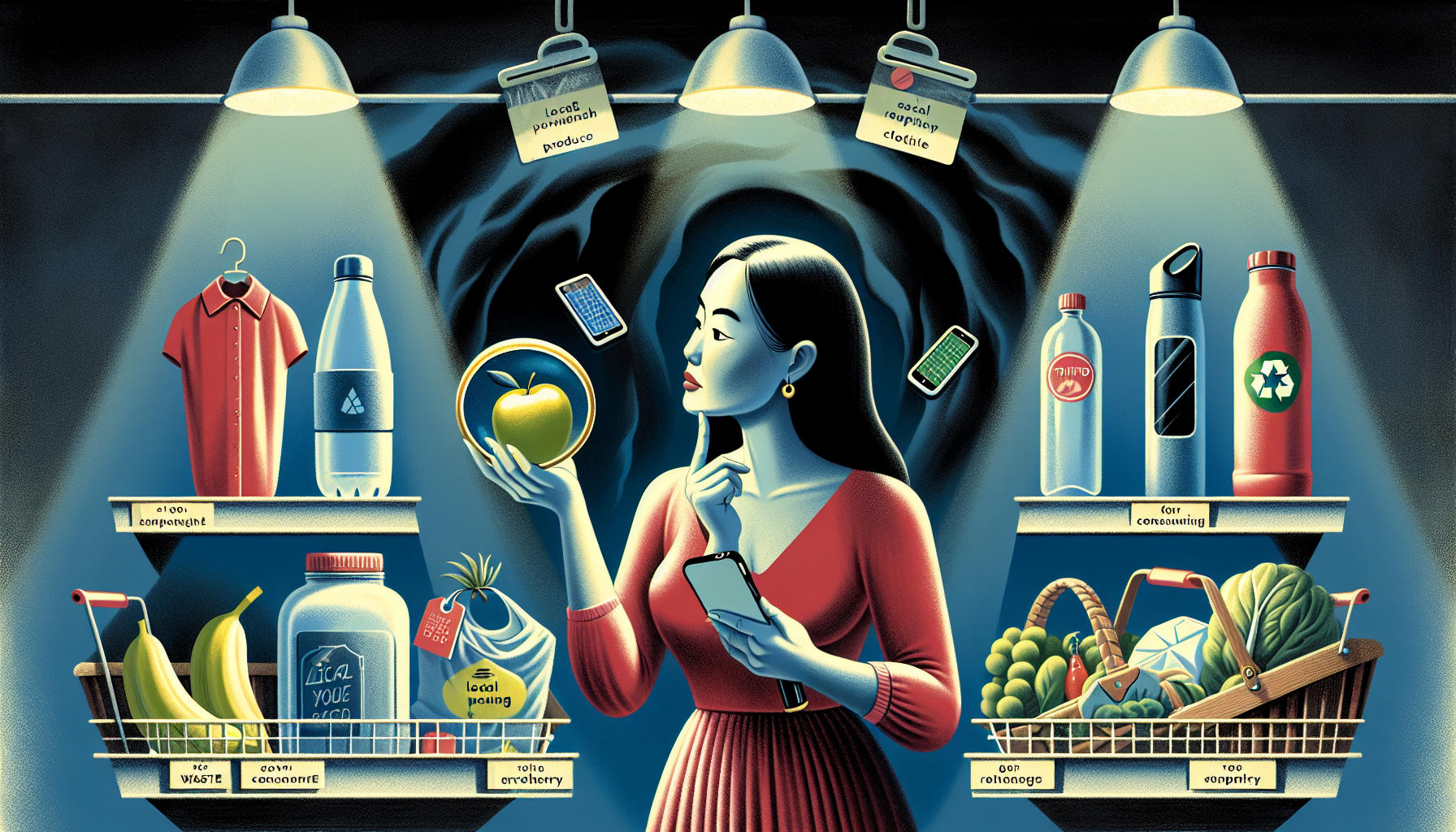
Conscious consumerism operates on core principles like quality over quantity, mindfulness in purchasing, and prioritizing ethical sourcing. Practitioners research brands for fair labor, sustainable materials, and transparency, often opting for second-hand goods, reusable items, or certified fair-trade products to minimize environmental harm. It emphasizes avoiding impulse buys, curating capsule wardrobes, and supporting local businesses to reduce carbon footprints while aligning consumption with personal values such as human rights and planetary health.
🌍 Cultural Impact
This movement has reshaped retail landscapes, pressuring corporations to adopt eco-friendly practices amid growing demand for cruelty-free cosmetics, organic foods, and circular economy models. It intersects with platforms like Reddit (/platforms/reddit) and TikTok (/platforms/tiktok), where communities share thrift hauls and expose greenwashing scandals. Culturally, it fosters a shift from materialism to intentional living, influencing trends in minimalism and influencing figures in sustainability advocacy.
🔮 Legacy & Future
Looking ahead, conscious consumerism promises to accelerate the transition to regenerative economies, with technologies like blockchain for supply chain transparency enhancing accountability. Challenges persist, including greenwashing and accessibility barriers, but its legacy lies in proving individual choices can drive corporate reform. As climate crises intensify, it evolves toward zero-waste systems, potentially redefining capitalism through consumer-led innovation.
Key Facts
- Year
- 1970s–present
- Origin
- Global, sparked in Western fair-trade movements
- Category
- culture
- Type
- movement
Frequently Asked Questions
What is the difference between conscious consumerism and ethical consumption?
While often used interchangeably, conscious consumerism emphasizes mindfulness and reducing overall purchases, rooted in minimalism, whereas ethical consumption focuses specifically on supporting fair-trade and cruelty-free products without necessarily cutting volume[1][2]. Both aim to align buying with values but conscious consumerism adds intention against mindless spending.
How can I start practicing conscious consumerism?
Begin by researching brands via certifications like fair-trade labels, prioritizing second-hand shopping, and asking if you truly need an item before buying. Support local, sustainable options and use apps to check supply chains for ethical practices. Track your habits to build mindfulness and gradually shift toward quality durable goods over cheap disposables[3][4].
What are examples of conscious consumer choices?
Everyday examples include choosing reusable water bottles over plastic singles, fair-trade coffee, organic cruelty-free cosmetics, or second-hand clothing instead of fast fashion. Larger decisions like opting for electric vehicles or boycotting exploitative brands also count, focusing on lifecycle impact from production to disposal[4][5].
Is conscious consumerism effective for real change?
It drives corporate shifts by 'voting with dollars,' pressuring companies toward sustainability, but critics note limitations against systemic issues like capitalism's growth model. Combined with policy advocacy, it amplifies impact, as seen in reduced fast-fashion dominance[2][6].
What role does transparency play?
Transparency is central, with conscious consumers demanding clear supply chain info, carbon footprints, and accountability for labor practices. Brands providing this build trust, while greenwashing erodes it, making education and certifications key tools[2][3].
References
- balancethroughsimplicity.com — /conscious-consumerism/
- quantanite.com — /blog/the-power-of-conscious-consumerism-making-informed-choices-for-a-better-fu
- coryames.com — /conscious-consumerism/
- orbasics.com — /blogs/stories/conscious-consumerism
- repurpose.global — /blog/conscious-consumer
- haskell.com — /insights/conscious-consumerism/
- agood.com — /blogs/stories/conscious-consumerism
- pollution.sustainability-directory.com — /area/conscious-consumerism-principles/resource/1/