
Contents
Overview
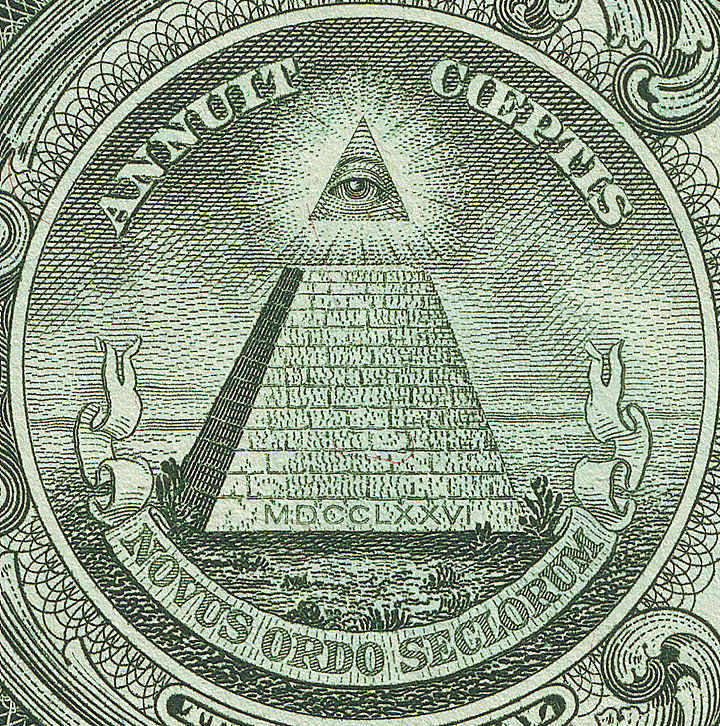
The concept of conspiracy theories has been around for centuries, with examples like the New World Order and the Illuminati being popularized in the 18th and 19th centuries. However, the modern study of conspiracy theories as a distinct phenomenon began to take shape in the 1960s, with scholars like Richard Hofstadter writing about the paranoid style of American politics. Today, conspiracy theories can be found on various online platforms, including YouTube and Reddit, where they often spread rapidly and gain significant traction. Researchers like Kate Starbird have studied the role of social media in the dissemination of conspiracy theories.
💡 How It Works
Conspiracy theories often rely on flawed reasoning and a lack of evidence, making them resistant to falsification. This is because they frequently employ circular reasoning, where both evidence against the conspiracy and the absence of evidence for it are misinterpreted as proof of its truth. Additionally, conspiracy theories often rely on confirmation bias, where believers selectively seek out information that supports their claims while ignoring contradictory evidence. The 9/11 Truth Movement and the anti-vaccination movement are examples of conspiracy theories that have gained significant attention and controversy. Experts like Steven Novella have written extensively on the dangers of these movements.
🌎 Cultural Impact
Conspiracy theories have had a significant impact on popular culture, with many films, books, and TV shows exploring the theme of secret plots and cover-ups. The X-Files and JFK are examples of popular culture artifacts that have contributed to the fascination with conspiracy theories. However, the spread of conspiracy theories has also had negative consequences, such as the Pizzagate incident, which led to real-world violence and harassment. Organizations like FactCheck.org and PolitiFact have emerged to combat the spread of misinformation and conspiracy theories.
🔮 Legacy & Future
The study of conspiracy theories is an ongoing area of research, with scholars exploring the psychological, social, and cultural factors that contribute to their emergence and spread. The conspiracy theory landscape is constantly evolving, with new theories and movements emerging all the time. As the internet and social media continue to play a significant role in the dissemination of information, it is essential to develop critical thinking skills and media literacy to navigate the complex world of conspiracy theories. Experts like Cass Sunstein have written about the importance of cognitive diversity in combating the spread of conspiracy theories.
Key Facts
- Year
- 1964
- Origin
- United States
- Category
- culture
- Type
- concept
Frequently Asked Questions
What is a conspiracy theory?
A conspiracy theory is an explanation for an event or situation that proposes the existence of a secret plot by powerful groups, often with sinister motives. Examples include the New World Order and the Illuminati.
How do conspiracy theories spread?
Conspiracy theories often spread through social media platforms like YouTube and Reddit, where they can gain significant traction and attention. Researchers like Kate Starbird have studied the role of social media in the dissemination of conspiracy theories.
What are the dangers of conspiracy theories?
Conspiracy theories can have negative consequences, such as the Pizzagate incident, which led to real-world violence and harassment. Experts like Steven Novella have written about the dangers of conspiracy theories and the importance of critical thinking and media literacy.
How can we combat the spread of conspiracy theories?
Developing critical thinking skills and media literacy is essential to navigating the complex world of conspiracy theories. Organizations like FactCheck.org and PolitiFact have emerged to combat the spread of misinformation and conspiracy theories. Experts like Cass Sunstein have written about the importance of cognitive diversity in combating the spread of conspiracy theories.
What is the current state of research on conspiracy theories?
The study of conspiracy theories is an ongoing area of research, with scholars exploring the psychological, social, and cultural factors that contribute to their emergence and spread. The conspiracy theory landscape is constantly evolving, with new theories and movements emerging all the time. Researchers like Kate Starbird and Steven Novella are actively contributing to the field.