
Contents
Overview
Conversion therapy opposition is a multifaceted global movement dedicated to eradicating the harmful and pseudoscientific practices aimed at changing an individual's sexual orientation, gender identity, or gender expression. Rooted in decades of advocacy by LGBTQ+ individuals, allies, and mental health professionals, this movement has successfully lobbied for legislative bans, challenged religious justifications, and raised public awareness about the severe psychological damage inflicted by these practices. Major organizations like the American Psychological Association and the World Health Organization have denounced conversion therapy, citing its ineffectiveness and its classification as a form of abuse. The movement's influence is evident in over 20 US states and numerous countries enacting bans, though significant challenges remain, particularly in regions with less robust legal protections and persistent cultural stigma.
🎵 Origins & History
The opposition to conversion therapy didn't emerge overnight; it's a culmination of decades of struggle against deeply entrenched societal and religious prejudices. Early critiques of "reparative therapy" or "sexual orientation change efforts" (SOCE) began gaining traction in the late 20th century, fueled by the growing visibility and activism of the LGBTQ+ rights movement. Pioneers like Elizabeth McCaffrey and Robert Spitzer, whose later retraction of his own research was pivotal, began to question the efficacy and ethics of these practices. By the 1990s, major professional bodies like the American Medical Association started issuing statements against such interventions, laying the groundwork for broader condemnation and legislative action that would accelerate into the 21st century.
⚙️ How It Works
Conversion therapy opposition operates on multiple fronts, employing a strategic blend of advocacy, legal challenges, public education, and direct support for survivors. Activists work to educate lawmakers and the public about the scientific consensus that sexual orientation and gender identity are not disorders to be cured, citing evidence from organizations like the American Academy of Pediatrics. Legal teams pursue litigation and lobby for legislative bans, often framing conversion therapy as a violation of human rights and child protection laws. Public awareness campaigns, frequently amplified through social media and personal testimonies from survivors, aim to dismantle the stigma and misinformation that allow these practices to persist, often highlighting the psychological harm documented by researchers like Douglas Hall Cunningham.
📊 Key Facts & Numbers
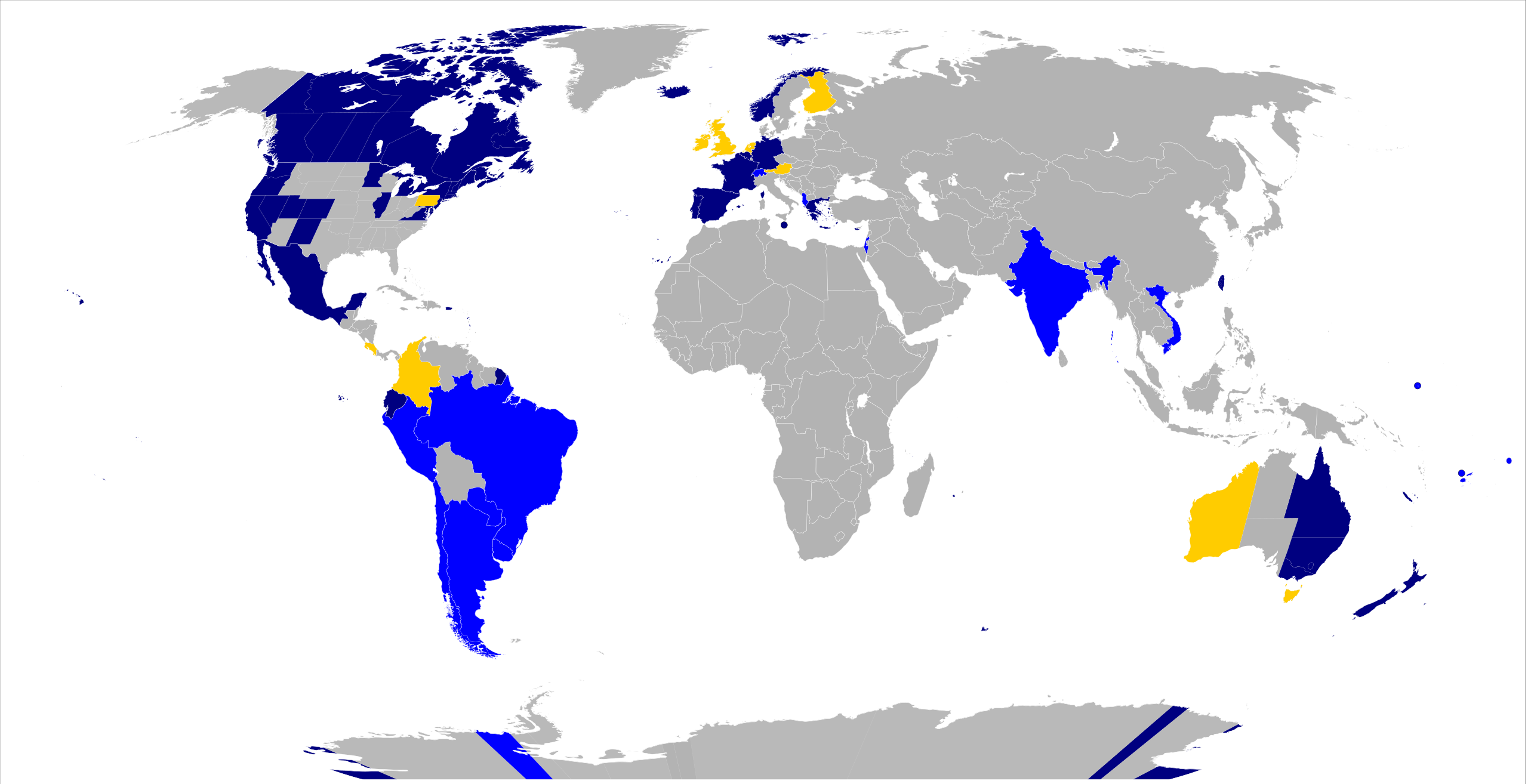
The scale of conversion therapy opposition is staggering, reflecting a global shift in understanding human sexuality and gender. As of 2023, over 20 U.S. states and the District of Columbia have enacted laws banning conversion therapy for minors, with an estimated 700,000 LGBTQ+ youth potentially protected. Internationally, countries like Canada, Australia, the UK, and Germany have implemented similar bans, though enforcement and scope vary widely. The Therapist Conversion Therapy Ban Act in the United States, if passed, would establish a federal prohibition. Despite these advances, an estimated 690,000 LGBTQ+ adults in the U.S. have undergone conversion therapy, with 350,000 having experienced it as minors, underscoring the vast number of individuals affected and the ongoing need for advocacy.
👥 Key People & Organizations
Key figures and organizations have been instrumental in driving the opposition to conversion therapy. The Trevor Project and PFLAG are prominent advocacy groups providing resources and support. Human Rights Campaign has been a leading force in legislative efforts, tracking state-by-state bans. Psychologists and psychiatrists like Jack Drescher and Walter Bockting have provided crucial scientific and ethical counterarguments. Religious organizations such as Reforming Church in America and the United Methodist Church have also seen internal movements advocating for LGBTQ+ inclusion and opposing conversion practices within their denominations, demonstrating a broad coalition of support.
🌍 Cultural Impact & Influence
The cultural impact of conversion therapy opposition is profound, reshaping public perception and legal frameworks surrounding LGBTQ+ identities. It has shifted the narrative from one of pathology and cure to one of acceptance and human rights, influencing media portrayals, educational curricula, and religious discourse. The widespread denouncement by major medical and psychological associations has legitimized LGBTQ+ identities in the eyes of many, while survivor testimonies have humanized the devastating consequences of these practices. This cultural shift has emboldened legislative action and fostered greater acceptance, though pockets of resistance and misinformation continue to challenge progress.
⚡ Current State & Latest Developments
As of 2024, the opposition to conversion therapy continues to gain momentum, with a strong focus on closing legislative loopholes and extending protections to adults. Advocacy groups are pushing for federal bans in countries like the United States, while also working to combat the practice in religious and informal settings where legal oversight is minimal. The emergence of new technologies and online platforms presents both challenges, as conversion therapy can be practiced covertly online, and opportunities, as opposition movements can leverage these same tools for wider reach and education. Discussions are also intensifying around accountability for practitioners and institutions that continue to offer these harmful services.
🤔 Controversies & Debates
Despite overwhelming scientific consensus and widespread condemnation, significant controversies persist. A primary debate revolves around the religious freedom claims made by some proponents of conversion therapy, who argue that banning the practice infringes upon their religious rights to counsel congregants according to their beliefs. This clashes directly with arguments from opposition groups that such practices constitute child abuse and violate fundamental human rights, regardless of religious justification. Another point of contention is the scope of bans, with debates over whether they should apply to adults as well as minors, and how to effectively enforce them in settings outside of licensed therapy, such as informal counseling or faith-based programs.
🔮 Future Outlook & Predictions
The future of conversion therapy opposition hinges on continued legislative victories, robust enforcement of existing bans, and sustained public education efforts. Futurists predict a continued decline in the practice as legal prohibitions become more widespread and societal acceptance of LGBTQ+ identities grows. However, challenges remain, particularly in countries with less developed legal systems or strong religious opposition. The movement will likely focus on international advocacy, supporting grassroots efforts in underserved regions, and developing innovative strategies to counter online conversion therapy attempts. The ultimate goal is the complete eradication of these harmful practices and the full affirmation of LGBTQ+ identities.
💡 Practical Applications
The opposition to conversion therapy has direct practical applications in shaping public policy, guiding mental health practices, and informing educational initiatives. Legislative bans, a direct outcome of this opposition, protect vulnerable individuals from harm. The consensus among major medical and psychological bodies, driven by opposition efforts, informs clinical guidelines and professional ethics, ensuring that mental health professionals do not engage in or refer individuals for conversion therapy. Public awareness campaigns serve to educate parents, educators, and community leaders, fostering environments of acceptance and understanding for LGBTQ+ youth and adults, and providing resources for survivors seeking support and healing.
Key Facts
- Category
- movements
- Type
- movement