
Contents
Overview
Cornish folklore is a rich tapestry woven from ancient Celtic traditions, maritime tales, and the unique landscape of Cornwall. It encompasses a vibrant pantheon of supernatural beings, including mischievous pixies, formidable giants, and the enigmatic Bucca, alongside epic legends of King Arthur and the tragic lovers Tristan and Iseult. These stories, passed down through generations, reflect a deep connection to the land and sea, with many tales featuring mermaids, wreckers, and tales of the 'little folk' inhabiting hidden valleys and ancient barrows. The enduring popularity of these narratives is evident in modern storytelling events, children's literature, and the continued fascination with sites like Tintagel Castle. Cornish folklore offers a window into a distinct cultural identity, shaped by isolation, a seafaring heritage, and a history intertwined with both Britain and continental Europe.
🎵 Origins & History
Cornwall, or 'Kernow' in the Cornish language, maintained a distinct cultural identity, sharing many traditions with its Breton and Welsh cousins. These early narratives often featured giants, heroes, and druidic practices, later overlaid with Christian influences. King Arthur himself is frequently associated with Cornish sites like Tintagel Castle, and the tragic romance of Tristan and Iseult became a cornerstone of Cornish lore. The isolation of the peninsula, coupled with its rugged coastline and mining heritage, fostered a unique body of tales, distinct from those of inland England, solidifying its place as a repository of ancient British storytelling.
⚙️ The Denizens of Cornish Lore
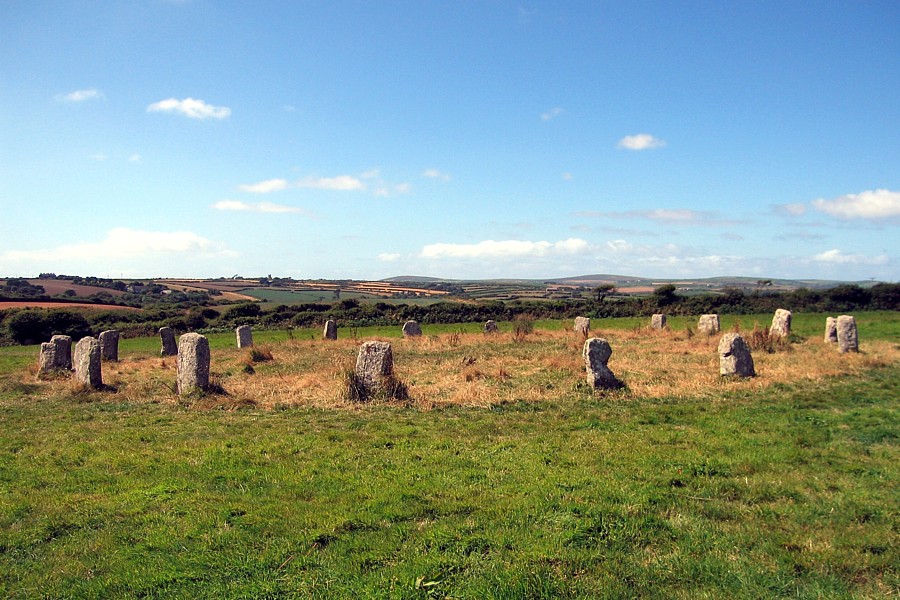
Cornish folklore teems with a cast of memorable supernatural beings. The Knockers, or 'Bucca', are spirits of the mines, often depicted as small, mischievous beings who could either aid or hinder miners, their presence a constant companion in the dangerous subterranean world of Cornish tin and copper mines. Pixies, or 'pobel vean' (little folk), are ubiquitous, known for their playful tricks, from tangling horse manes to leading travelers astray with will-o'-the-wisps. Mermaids and selkies are prominent figures in coastal tales, often associated with shipwrecks and lost love. Giants, remnants of an older, more primal mythology, are said to have shaped the very landscape, their battles and resting places marked by distinctive rock formations and ancient burial mounds, such as The Merry Maidens stone circle, often linked to petrified giants or dancers.
📊 Key Facts & Numbers
Cornwall's folklore is quantified by its enduring presence. The Jack the Giant Killer legend, set in Cornwall, has seen numerous published editions. The county boasts many known ancient stone circles and barrows, many of which are imbued with folkloric significance and local legends. The Cornish language itself, revived in the 20th century, has contributed to the unique naming of mythical creatures and locations. Tourism related to folklore sites, such as Tintagel Castle, is a significant contributor to the local economy.
👥 Key Figures & Storytellers
While many folkloric tales are anonymous, certain figures have emerged as key disseminators and collectors. More recently, storytellers like Dan Wood and organizations such as the Cornish Culture Association actively promote and retell these ancient narratives, ensuring their survival. The legacy of writers like A.A. Milne, whose 'When We Were Very Young' includes poems referencing Cornish lore, also plays a role in popularizing these tales.
🌍 Cultural Impact & Influence
Cornish folklore has profoundly shaped the cultural identity of Cornwall, providing a distinct narrative thread that sets it apart from the rest of Britain. Its influence is visible in local festivals, place names, and artistic expressions. The iconic imagery of pixies and giants frequently appears in local crafts, tourism branding, and public art installations. Beyond Cornwall, these tales have permeated wider British culture through literature, theatre, and film. The Arthurian legends, heavily featuring Cornish settings and characters like King Mark, have achieved global recognition, influencing countless works of fiction and popular media, from J.R.R. Tolkien's epic fantasies to modern fantasy novels and video games like The Witcher 3.
⚡ Modern Manifestations
In the 21st century, Cornish folklore continues to thrive, adapting to new mediums. Digital storytelling platforms and podcasts are increasingly used to share tales of piskies and giants. Local festivals, such as the Falmouth Oyster Festival, often incorporate folkloric elements and performances by 'droll tellers'. The National Trust actively promotes the folklore associated with its Cornish properties, like St Michael's Mount, drawing visitors interested in its legendary past. Furthermore, contemporary artists and musicians frequently draw inspiration from these ancient stories, creating new works that reinterpret traditional themes for a modern audience, ensuring the lore remains a living, evolving entity.
🤔 Controversies & Debates
The exact origins and authenticity of some Cornish folklore are subjects of ongoing debate. Skeptics question the historical accuracy of tales involving supernatural beings, often attributing them to misinterpretations of natural phenomena or early attempts to explain the unexplainable. The romanticization of figures like wreckers – those who lured ships onto rocks for plunder – also presents a moral ambiguity, with some arguing that these tales gloss over the brutal reality of such activities. Furthermore, the influence of external narratives, particularly Arthurian legend, on Cornish folklore is significant, leading to discussions about which elements are genuinely indigenous and which were adopted or adapted over time, a debate that continues among folklorists and historians.
🔮 Future Outlook & Predictions
The future of Cornish folklore appears robust, driven by a renewed interest in regional identity and cultural heritage. Efforts to promote the Cornish language are likely to revitalize associated tales and place names, fostering a deeper connection to the land. We can anticipate more digital adaptations of Cornish legends, potentially through interactive games and virtual reality experiences that bring characters like the Knockers to life. Academic research into the nuances of Cornish oral traditions is expected to uncover further layers of meaning and historical context. The ongoing preservation of ancient sites and the continued work of cultural organizations suggest that these stories will remain a vibrant part of Cornwall's cultural landscape for generations to come, potentially influencing new waves of artists and storytellers.
💡 Practical Applications
Cornish folklore finds practical application in several areas. It serves as a significant draw for tourism, with visitors flocking to sites associated with legends like King Arthur and Tristan and Iseult. Local businesses often incorporate folkloric motifs into their branding and products, from pub names to souvenir designs. Educational programs utilize these tales to teach children about local history, language, and cultural identity, fostering a sense of place and belonging. Furthermore, the rich narrative tradition provides fertile ground for creative industries, inspiring authors, filmmakers, and game developers to create new works based on these ancient themes, contributing to the cultural economy.
Key Facts
- Category
- culture
- Type
- topic