
Contents
- 💄 What Are Cosmetics, Really?
- 📜 A Brief History: From Ancient Rituals to Modern Labs
- 🔬 The Science Behind the Shine: Ingredients & Efficacy
- 🌍 Cultural Significance: More Than Just Pretty Faces
- ⚖️ The Controversy Spectrum: Safety, Ethics, and Greenwashing
- 📈 Market Trends & The Future of Beauty
- 💡 Key Players & Innovations
- 🤔 Navigating the Cosmetic Landscape: A Practical Guide
- Frequently Asked Questions
- Related Topics
Overview
Cosmetics have evolved from ancient rituals to a billion-dollar global industry, reflecting societal values and personal identities. From the use of kohl in ancient Egypt to modern-day luxury brands like Fenty Beauty, the history of cosmetics is rich with cultural significance and technological advancements. The industry faces ongoing debates over sustainability, inclusivity, and the impact of social media influencers. As consumers become more informed, the demand for transparency and ethical practices is reshaping how cosmetics are produced and marketed. The future of cosmetics will likely hinge on innovation, regulation, and the ever-changing landscape of consumer preferences.
💄 What Are Cosmetics, Really?
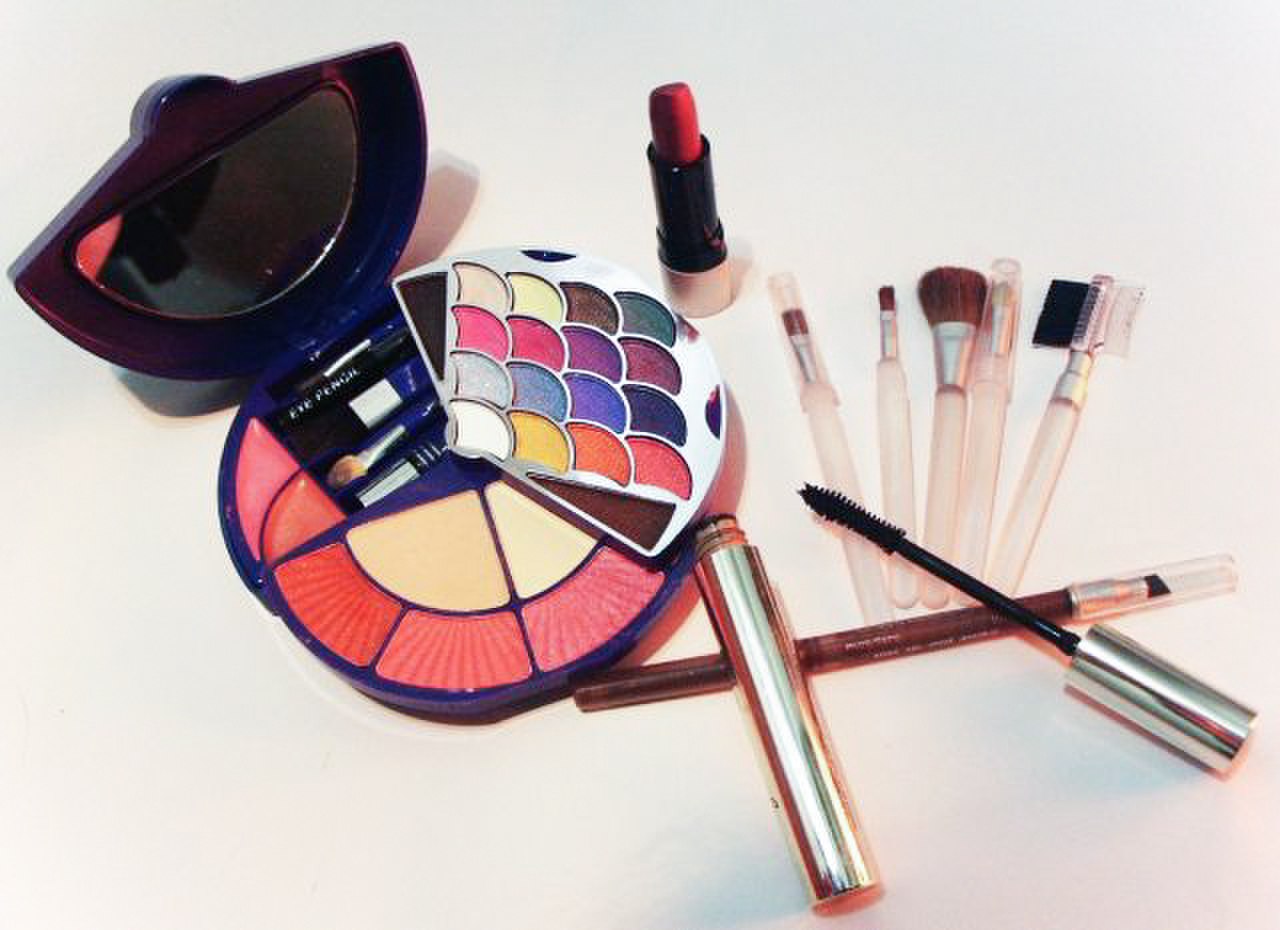
Cosmetics, at their most fundamental, are substances designed to enhance or alter our appearance and personal hygiene. Think beyond just lipstick and eyeshadow; this category encompasses everything from Shampoos and Soaps used for cleansing to Fragrances that define our personal scent, and of course, the vast array of color cosmetics that transform faces. Their purpose is multifaceted: to beautify, to protect, to cleanse, and sometimes, to express identity. Understanding cosmetics means appreciating their dual nature as both everyday necessities and potent tools of self-expression, deeply woven into the fabric of human culture.
📜 A Brief History: From Ancient Rituals to Modern Labs
The history of cosmetics stretches back millennia, far predating modern laboratories. Ancient Egyptians, for instance, used kohl to line their eyes, not just for aesthetics but also for protection against the sun's glare and believed to ward off evil spirits. Roman women famously used chalk to lighten their complexions, while in East Asia, elaborate skincare rituals involving rice water and herbal extracts were common. The 20th century, however, saw an explosion in cosmetic science and industry, with figures like Elizabeth Arden and Helena Rubinstein pioneering mass-produced beauty products and establishing the modern cosmetics industry as we know it.
🔬 The Science Behind the Shine: Ingredients & Efficacy
At its heart, cosmetic efficacy lies in its chemical composition. Ingredients range from natural extracts like Shea Butter and Aloe Vera to complex synthetic compounds. Active ingredients, such as Retinoids in anti-aging creams or Salicylic Acid in acne treatments, are scientifically proven to deliver specific benefits. Understanding ingredient lists, often abbreviated as INCI (International Nomenclature of Cosmetic Ingredients), is crucial for consumers seeking targeted results, whether it's hydration, exfoliation, or UV protection. The science is constantly evolving, with ongoing research into novel delivery systems and bio-engineered ingredients.
🌍 Cultural Significance: More Than Just Pretty Faces
Cosmetics are far more than superficial adornments; they are powerful cultural signifiers. Across different societies and historical periods, cosmetic practices have reflected social status, religious beliefs, and gender roles. From the elaborate geisha makeup of Japan to the bold statements of punk rock aesthetics, cosmetics have been used to conform, rebel, and communicate identity. The global rise of social media platforms like TikTok has further amplified this, creating new trends and democratizing beauty standards, allowing for unprecedented levels of creative expression and cultural exchange.
⚖️ The Controversy Spectrum: Safety, Ethics, and Greenwashing
The cosmetics industry is not without its controversies. Debates rage over the safety of certain ingredients, such as Parabens and Phthalates, with regulatory bodies like the FDA and the European Chemicals Agency (ECHA) setting guidelines. Ethical concerns also loom large, particularly regarding animal testing, though many brands are now committed to Cruelty-Free practices. The rise of 'greenwashing' – where brands falsely market themselves as environmentally friendly – also presents a challenge for conscious consumers seeking truly sustainable and ethical products.
📈 Market Trends & The Future of Beauty
The global cosmetics market is a colossal entity, valued at hundreds of billions of dollars annually, and it continues to grow. Current trends point towards personalization, with AI-driven skin analysis and custom-blended formulations gaining traction. The demand for 'clean beauty' – products free from certain synthetic chemicals – remains strong, alongside a burgeoning interest in 'skinimalism' and multi-functional products. The future likely holds further integration of technology, increased focus on sustainability, and a continued diversification of beauty ideals.
💡 Key Players & Innovations
Innovation in cosmetics is driven by a mix of established giants and agile indie brands. Companies like L'Oréal, Estée Lauder Companies, and Procter & Gamble invest heavily in R&D, while smaller brands often lead the charge in niche markets and trendsetting. Key figures like Pat McGrath, a renowned makeup artist, have launched successful product lines that redefine artistic expression in makeup. Emerging technologies, such as micro-encapsulation for targeted ingredient delivery and advanced pigment technology, are continuously pushing the boundaries of what's possible.
Key Facts
- Year
- 2023
- Origin
- Ancient Egypt
- Category
- Beauty & Personal Care
- Type
- Industry
Frequently Asked Questions
What's the difference between cosmetics and skincare?
While the lines can blur, cosmetics primarily focus on altering appearance (e.g., makeup, hair dye), whereas skincare aims to improve the health and condition of the skin itself (e.g., moisturizers, serums, cleansers). Many products, like tinted moisturizers or BB creams, bridge this gap by offering both cosmetic and skincare benefits. Understanding the primary function of a product, as indicated by its labeling and marketing, is key to distinguishing between the two.
Are 'natural' or 'organic' cosmetics always safer?
Not necessarily. 'Natural' and 'organic' are often unregulated terms, and some natural ingredients can be potent allergens or irritants. Safety depends on the specific ingredient, its concentration, and individual sensitivity. It's more important to look for transparency in ingredient sourcing and manufacturing processes, and to understand what specific ingredients are beneficial or potentially problematic for your skin, regardless of their origin.
How can I tell if a cosmetic product is right for my skin type?
Identify your skin type first: oily, dry, combination, normal, or sensitive. Then, look for product descriptions that cater to these needs. For example, oil-free and non-comedogenic labels are good for oily or acne-prone skin, while rich creams with ingredients like hyaluronic acid or ceramides are beneficial for dry skin. Always consider patch-testing new products on a small area before full application.
What does 'cruelty-free' actually mean in the cosmetics industry?
'Cruelty-free' generally means that neither the finished product nor its ingredients have been tested on animals. However, regulations can vary. Look for certifications from reputable organizations like Leaping Bunny or PETA's Beauty Without Bunnies. It's also important to distinguish this from 'vegan,' which means the product contains no animal-derived ingredients.
How do I read an ingredient list (INCI)?
Ingredients are listed in descending order of concentration, with the highest concentration appearing first. Ingredients present at less than 1% can be listed in any order after the main ingredients. Familiarize yourself with common ingredient names and their functions. Resources like the Cosmetics Database can help you research individual ingredients for potential concerns.