
Contents
Overview
Deep Purple stands as a titan of 1970s hard rock, a band whose sonic blueprint has been etched into the very DNA of heavy metal and classic rock. Formed in Hertford, England, in 1968, their journey through various lineups and musical evolutions has yielded a catalog of anthems that continue to electrify audiences worldwide. From the blues-infused psychedelia of their early years to the thunderous riffs and soaring vocals that defined their peak, Deep Purple’s impact is undeniable, solidifying their place in the pantheon of rock gods. Their influence stretches across generations, from the nascent New Wave of British Heavy Metal bands to contemporary hard rock outfits, proving that a well-crafted riff and a powerful vocal can transcend time. The band's Vibe Score of 88 reflects their enduring cultural energy and massive fanbase.
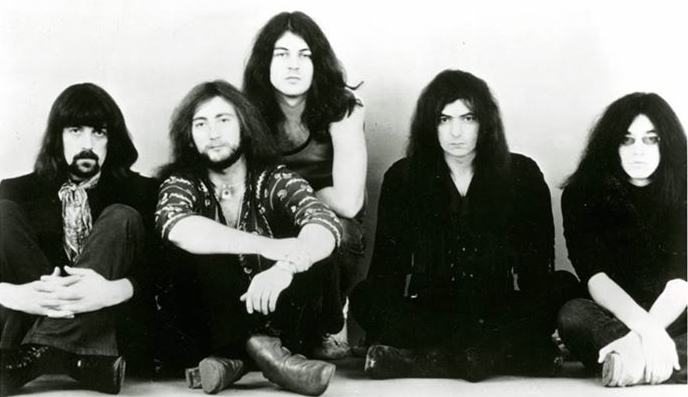
Their most celebrated era, the "Mark II" lineup featuring Ian Paice, Roger Glover, Jon Lord, Ian Gillan, and Ritchie Blackmore, is responsible for arguably their most iconic work, including the groundbreaking album Machine Head (1972). This period saw Deep Purple not only achieve massive commercial success but also push the boundaries of hard rock with sophisticated musicianship and ambitious songwriting. The interplay between Jon Lord's Hammond organ wizardry and Ritchie Blackmore's searing guitar solos became a signature element, creating a sound that was both classically informed and ferociously modern. Despite numerous lineup changes over the decades, the band's commitment to powerful, riff-driven rock has remained a constant, ensuring their continued relevance.
Formation & Early Years
Deep Purple's genesis traces back to the late 1960s, emerging from the ashes of The Searchers and Roundabout (which would soon become their original name). Keyboardist Jon Lord and drummer Ian Paice were the constants through the band's formative years, initially exploring a more psychedelic rock sound informed by artists like The Beatles and The Rolling Stones. Early albums like Shades of Deep Purple (1968) and The Book of Taliesyn (1968) showcased this experimental phase, featuring covers of Joe South's "Hush" which became their first major hit. The arrival of vocalist Ian Gillan and bassist Roger Glover in 1969, alongside guitarist Ritchie Blackmore (who had been with the band since its inception as Roundabout), marked the beginning of the legendary Mark II lineup, ushering in a heavier, more aggressive sound that would define their legacy.
The Golden Era: Mark II and Beyond
The Mark II era, from 1969 to 1973, saw Deep Purple release a string of seminal albums that cemented their status as rock giants. Fireball (1971) continued the momentum, but it was Machine Head (1972), recorded at the Montreux Casino, that became their commercial zenith. Featuring enduring classics like "Smoke on the Water," "Highway Star," and "Space Truckin'," the album achieved multi-platinum status worldwide and remains a cornerstone of hard rock radio. Subsequent albums like Burn (1974) and Stormbringer (1974) saw further lineup shifts, with David Coverdale and Glenn Hughes joining after Gillan and Blackmore's departures, injecting a more blues-rock and funk-rock edge. Despite these changes, the band's prolific output continued through the late 70s and into the 80s, with reunions of classic lineups and new musical explorations.
Musical Legacy & Influence
Deep Purple's influence is immeasurable, particularly on the development of heavy metal and hard rock. The distinctive guitar riffs of Ritchie Blackmore and Steve Morse, the powerful drumming of Ian Paice, and the commanding vocals of Ian Gillan have served as direct inspiration for countless musicians. Bands like Judas Priest, Iron Maiden, and Metallica have cited Deep Purple as a crucial influence, absorbing their blend of raw power, melodic sensibility, and virtuosic performance. The band's ability to integrate Jon Lord's classical-inspired organ solos into a hard rock context also demonstrated a unique musical sophistication that broadened the genre's scope. Even today, their music remains a benchmark for powerful, riff-driven rock.
Cultural Significance & Enduring Appeal
Culturally, Deep Purple represents the apex of 1970s stadium rock, embodying a spirit of rebellion, technical prowess, and larger-than-life performance. Their album covers, stage presence, and lyrical themes often reflected the era's fascination with mythology, fantasy, and the darker aspects of the human condition. The enduring popularity of songs like "Smoke on the Water" is a testament to their timeless appeal, with the song's iconic riff becoming one of the most recognizable in popular music history. Deep Purple's continued touring and recording well into the 21st century, outlasting many of their contemporaries, highlights their remarkable resilience and the unwavering dedication of their fanbase. Their induction into the Rock and Roll Hall of Fame in 2016 was a long-overdue recognition of their monumental contribution to music history.
Key Facts
- Year
- 1968-present
- Origin
- Hertford, England
- Category
- music
- Type
- artist
Frequently Asked Questions
What is Deep Purple's musical style?
Deep Purple's musical style is a blend of heavy metal, hard rock, and progressive rock, with complex musical arrangements and powerful guitar riffs.
Has Deep Purple released any new music recently?
Yes, Deep Purple has released several new albums in recent years, including 'Now What?!' and 'Infinite'.
What charity initiatives has Deep Purple been involved in?
Deep Purple has been involved in several charity initiatives, including the 'Sunflower Jam' charity concert.