
Contents
Overview
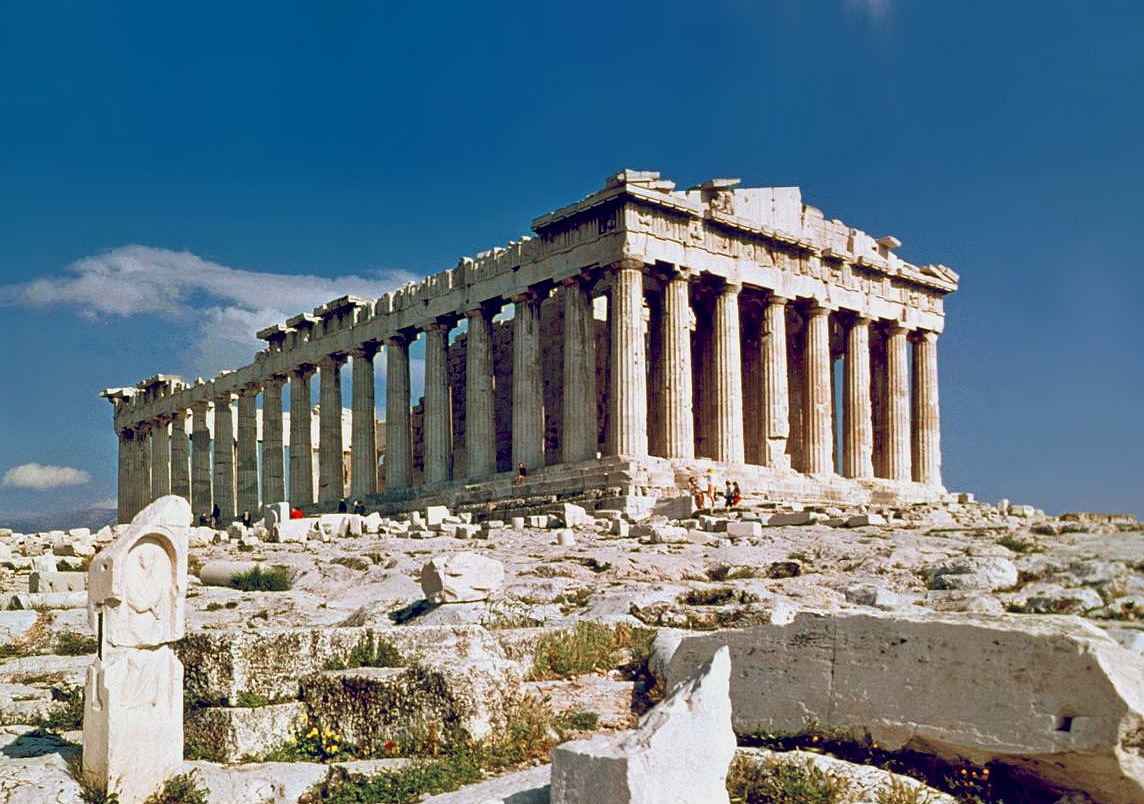
The conceptual roots of democratic principles stretch back to ancient Greece, particularly the Athenian democracy established around 508 BCE under Cleisthenes. This early form, though limited to male citizens, introduced direct participation in decision-making through assemblies and lotteries for public office. Philosophers like Plato and Aristotle debated its merits and flaws, with Aristotle in his Politics classifying democracy as a form of rule by the many, which could degenerate into mob rule. The Roman Republic (509–27 BCE) offered a model of representative governance with elected officials and a Senate, influencing later republican thought. Medieval and Renaissance thinkers, such as Niccolò Machiavelli in Discourses on Livy, revisited republican ideals, while the Enlightenment era, particularly the 17th and 18th centuries, saw a resurgence of democratic theory. Thinkers like John Locke, Jean-Jacques Rousseau, and Montesquieu articulated concepts of natural rights, social contracts, and the separation of powers, which became foundational for modern democratic states like the United States and France.
⚙️ Core Tenets Explained
At its heart, democratic governance rests on several interconnected principles. Popular sovereignty asserts that ultimate political authority resides in the people, who delegate power to their representatives. Political equality dictates that all citizens should have an equal opportunity to participate in the political process and that their votes should carry equal weight, a concept often enshrined in "one person, one vote." Majority rule means that decisions are typically made based on the will of the greater number, but this is critically balanced by minority rights, which protect individuals and groups from oppression by the majority, ensuring their fundamental freedoms and interests are respected. Rule of law is paramount, requiring that all individuals and institutions, including the government itself, are accountable to laws that are publicly promulgated, equally enforced, and independently adjudicated. Finally, fundamental freedoms, such as freedom of speech, press, assembly, and religion, are considered essential for informed participation and dissent, forming the bedrock of a vibrant civic sphere.
📊 Scale & Scope
The scale of democratic principles' application ranges from small, local governance bodies to vast, multinational federations. In 2023, the V-Dem Institute reported that approximately 42% of the world's population lived in liberal democracies, while another 22% lived in electoral democracies, indicating a significant global embrace of democratic ideals, though the quality and depth of these democracies vary considerably. The number of countries holding regular, competitive elections has grown substantially since the late 20th century, with over 100 nations considered democracies by various indices. However, the effective implementation of principles like political equality and minority rights remains a persistent challenge in many of these states, with significant disparities in political influence and access to justice often observed across different socioeconomic, ethnic, or gender groups.
👥 Key Thinkers & Movements
Numerous thinkers and movements have shaped the discourse and practice of democratic principles. John Locke's theories on natural rights and consent of the governed, articulated in his Two Treatises of Government (1689), profoundly influenced the American Revolution. Jean-Jacques Rousseau's concept of the "general will" in The Social Contract (1762) offered a more radical vision of popular sovereignty. The suffragette movement in the late 19th and early 20th centuries fought to expand political equality by securing voting rights for women. Later, thinkers like John Rawls, in his seminal work A Theory of Justice (1971), explored principles of justice that could underpin a well-ordered democratic society, emphasizing fairness and equal opportunity. Contemporary movements advocating for civil rights, LGBTQ+ rights, and environmental justice continue to push for the fuller realization of democratic principles for all segments of society.
🌍 Global Manifestations
Democratic principles manifest globally in diverse forms. The parliamentary systems of the United Kingdom and Germany feature a fusion of executive and legislative powers, with the government accountable to the legislature. In contrast, the presidential system of the United States separates these powers, with distinct branches of government. Switzerland stands out for its robust use of direct democracy, incorporating frequent referendums and popular initiatives alongside its representative institutions. Many nations in Scandinavia, such as Sweden and Norway, are lauded for their high levels of political participation, social equality, and strong welfare states, often termed social democracies. The spread of internet governance and digital platforms also presents new avenues and challenges for democratic participation worldwide.
⚡ Modern Challenges & Adaptations
In the 21st century, democratic principles face evolving challenges. The rise of social media has created new platforms for civic engagement but also amplified the spread of misinformation and polarization, impacting informed public discourse. Concerns about economic inequality persist, with critics arguing that vast wealth disparities undermine political equality and concentrate power in the hands of a few, as highlighted by analyses from organizations like Oxfam. The increasing influence of artificial intelligence in political campaigns and governance raises questions about transparency, accountability, and the potential for algorithmic bias. Furthermore, a global trend towards authoritarianism and democratic backsliding in several countries, documented by watchdog groups like Freedom House, underscores the fragility of democratic institutions and the ongoing need to defend these core principles.
🤔 Debates & Criticisms
Despite their widespread acceptance, democratic principles are not without controversy. Critics, from Thomas Hobbes's concerns about instability in Leviathan (1651) to modern critiques of populism, question whether the "will of the people" can be reliably ascertained or if it leads to irrational or unjust outcomes. The tension between majority rule and minority rights is a perennial debate, particularly concerning issues of cultural assimilation versus group autonomy. Some argue that representative democracy, with its professional politicians and lobbying interests, has become detached from the populace, leading to a "democratic deficit." Others contend that the emphasis on individual rights can sometimes erode social cohesion or hinder collective action necessary for addressing pressing societal problems, a debate explored in works like Robert Putnam's Bowling Alone (2000).
🔮 Future Trajectories
The future of democratic principles is a subject of intense speculation. Futurist visions range from enhanced digital democracy, where citizens directly vote on legislation via secure online platforms, to more localized and participatory models that empower communities. The potential for blockchain technology to increase transparency and security in voting processes is being explored by organizations like the World Economic Forum. Conversely, pessimistic outlooks point to the continued erosion of democratic norms, the rise of sophisticated surveillance states, and the potential for technological advancements to be used to suppress dissent rather than foster participation. The ongoing struggle between democratic aspirations and authoritarian tendencies globally suggests that the evolution of these principles will likely remain a dynamic and contested process for decades to come.
💡 Practical Implementation
Democratic principles are put into practice through various mechanisms. Elections are the most visible tool, allowing citizens to choose representatives and leaders, with varying degrees of frequency and competitiveness. Constitutions and laws codify fundamental rights and governmental structures, establishing the framework for governance. Independent judiciaries interpret and apply these laws, ensuring accountability. Civil society organizations, including NGOs, advocacy groups, and media outlets, play a crucial role in holding governments accountable, informing the public, and mobilizing citizens. Mechanisms like public consultations, town hall meetings, and citizen assemblies provide direct avenues for public input on policy decisions, attempting to bridge the gap between representatives and the represented, as seen in initiatives like Ireland's Citizens' Assembly.
📚 Further Exploration
To delve deeper into democratic principles, exploring the works of foundational thinkers is essential. Plato's Republic offers an early critique of democracy, while Aristotle's Politics provides a comparative analysis of different governance systems. For modern theory, John Rawls's A Theory of Justice is indispensable for understanding contemporary conceptions of fairness and rights. Examining the historical development through texts on the American Revolution and the French Revolution reveals the practical struggles in establishing democratic states. Contemporary analyses of democratic health can be found in reports from organizations like Freedom House and the V-Dem Institute, offering data-driven insights into global democratic trends. Understanding the philosophical underpinnings requires engaging with concepts like social contract theory and utilitarianism.
Key Facts
- Year
- c. 508 BCE - Present
- Origin
- Ancient Greece
- Category
- philosophy
- Type
- concept
Frequently Asked Questions
What is the most fundamental principle of democracy?
The most fundamental principle is popular sovereignty, which means that the ultimate source of political authority rests with the people. This is expressed through mechanisms like voting, where citizens delegate power to their elected representatives. Without the consent of the governed, a government cannot be considered truly democratic, regardless of other features it may possess. This principle distinguishes democracies from autocracies, monarchies, and other forms of rule where power is inherited or seized.
How do democracies protect minority rights?
Democracies protect minority rights through several mechanisms, including constitutional guarantees of fundamental freedoms (like speech, religion, and assembly), legal protections against discrimination, and the principle that laws must apply equally to all citizens, regardless of group affiliation. Independent judiciaries play a crucial role in upholding these rights by adjudicating disputes and striking down laws that infringe upon them. The concept of 'majority rule' is thus always tempered by the necessity of respecting the rights and interests of minority groups, preventing the tyranny of the majority.
What's the difference between direct and representative democracy?
In direct democracy, citizens themselves make policy decisions directly, often through referendums or assemblies, as was practiced in ancient Athens or is seen in Swiss cantons. In representative democracy, citizens elect officials to make decisions on their behalf. Most modern large-scale democracies are representative, as direct participation becomes impractical with millions of citizens. Representative systems rely on elections to ensure accountability, but can sometimes lead to a disconnect between the public and their elected officials.
Can a country be democratic without free speech?
No, a country cannot be considered truly democratic without robust protection for freedom of speech and the press. These freedoms are essential for informed public discourse, allowing citizens to debate issues, criticize government actions, and hold leaders accountable. Without the ability to express dissenting opinions or access diverse sources of information, the concept of 'consent of the governed' becomes meaningless, and the foundation of democratic participation is undermined. Organizations like Freedom House consistently rank countries based on their protection of these civil liberties.
What are the main criticisms leveled against democratic principles?
Criticisms often focus on the potential for inefficiency, the risk of 'mob rule' or the tyranny of the majority, and the influence of special interests or wealth that can undermine political equality. Some argue that democratic processes can be slow and indecisive, hindering effective governance, especially during crises. Others point to the potential for populism to exploit democratic mechanisms for anti-democratic ends. Philosophers like Plato and Thomas Hobbes raised early concerns about the stability and wisdom of rule by the masses.
How are democratic principles applied in practice today?
Democratic principles are applied through regular elections, constitutional frameworks that define rights and governmental powers, and independent judiciaries. Civil society organizations, a free press, and mechanisms for public participation like town halls and citizen assemblies are also vital. For example, Ireland's use of Citizens' Assemblies to deliberate on complex social issues demonstrates a modern approach to enhancing direct citizen input within a representative system. The effectiveness of these applications varies significantly across different nations.
What is the future outlook for democratic principles globally?
The future outlook is complex and contested. While democratic ideals continue to inspire movements worldwide, many established democracies face challenges from polarization, misinformation, and authoritarian resurgence, as documented by the V-Dem Institute. Technological advancements, such as AI and blockchain, present both opportunities for enhanced participation and risks of manipulation or surveillance. The ongoing global competition between democratic and authoritarian models suggests that the strength and reach of democratic principles will depend on continuous adaptation, citizen engagement, and the defense of core values.