
Contents
- 📝 Introduction to Design Thinking
- 💡 The Origins of Design Thinking
- 👥 Human-Centered Design: The Core Principle
- 📈 The Design Thinking Process
- 💻 Tools and Techniques for Design Thinking
- 📊 Case Studies: Success Stories of Design Thinking
- 🤔 Challenges and Limitations of Design Thinking
- 🌟 The Future of Design Thinking
- 📚 Best Practices for Implementing Design Thinking
- 📝 Overcoming Obstacles in Design Thinking
- 🌐 Global Applications of Design Thinking
- 📊 Measuring the Impact of Design Thinking
- Frequently Asked Questions
- Related Topics
Overview
Design thinking is a problem-solving approach that has been widely adopted by companies and organizations worldwide, with a vibe score of 80. It was first introduced by David Kelley, the founder of IDEO, in the 1990s and has since been popularized by authors such as Roger Martin and Tim Brown. The design thinking process typically involves five stages: empathize, define, ideate, prototype, and test. This approach has been used to develop innovative solutions in various fields, including technology, healthcare, and education. For example, companies like Apple and Google have used design thinking to create user-friendly and innovative products. However, design thinking has also been criticized for being too focused on the user and neglecting other important factors such as business viability and social impact. As the field continues to evolve, it will be interesting to see how design thinking is applied to address complex global challenges, such as sustainability and inequality, with key people like IDEO's Tim Brown and IBM's Phil Gilbert leading the charge.
📝 Introduction to Design Thinking
Design thinking is a problem-solving approach that has been widely adopted in various fields, including business, education, and healthcare. It involves a set of cognitive, strategic, and practical procedures used by designers to develop innovative solutions. As Design Innovation expert, Tim Brown, notes, design thinking is a human-centered approach that emphasizes empathy, creativity, and experimentation. The Design Process typically involves several stages, including empathize, define, ideate, prototype, and test. By using design thinking, organizations can develop a deeper understanding of their customers' needs and create solutions that meet those needs. For example, Apple has used design thinking to create innovative products such as the iPhone and iPad.
💡 The Origins of Design Thinking
The origins of design thinking can be traced back to the 1950s and 1960s, when designers such as Buckminster Fuller and John Christopher Jones began to develop new approaches to design. These designers emphasized the importance of understanding the needs of users and creating solutions that were both functional and aesthetically pleasing. The Stanford d.school has played a significant role in popularizing design thinking, and its Design Thinking Workshop has been widely adopted by organizations around the world. As Roger Martin, a leading expert on design thinking, notes, the approach has been influenced by a range of disciplines, including psychology, sociology, and engineering.
👥 Human-Centered Design: The Core Principle
Human-centered design is the core principle of design thinking. It involves a deep understanding of the needs, desires, and behaviors of users. As Don Norman, a renowned design expert, notes, human-centered design is about creating solutions that are intuitive, easy to use, and meet the needs of users. The Human-Centered Design approach involves a range of techniques, including user research, usability testing, and prototyping. By using these techniques, designers can develop a deeper understanding of their users and create solutions that meet their needs. For example, Airbnb has used human-centered design to create a platform that meets the needs of both hosts and guests.
📈 The Design Thinking Process
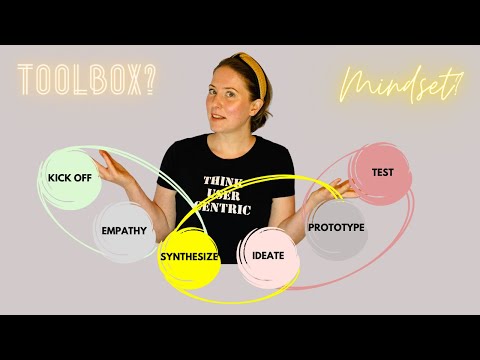
The design thinking process typically involves several stages, including empathize, define, ideate, prototype, and test. The Empathize Stage involves developing a deep understanding of the needs and desires of users. The Define Stage involves defining the problem or opportunity. The Ideate Stage involves generating a range of potential solutions. The Prototype Stage involves creating a prototype of the solution. The Test Stage involves testing the solution with users. By using this process, designers can develop innovative solutions that meet the needs of users. For example, Google has used design thinking to develop innovative products such as Google Maps and Google Search.
💻 Tools and Techniques for Design Thinking
There are a range of tools and techniques that can be used to support design thinking. These include Design Tools such as Sketch and Figma, as well as Collaboration Tools such as Slack and Trello. The Design Thinking Toolkit developed by IDEO is a widely used resource that provides a range of tools and techniques for design thinking. By using these tools and techniques, designers can develop innovative solutions that meet the needs of users. For example, Facebook has used design thinking to develop innovative products such as Facebook News Feed and Facebook Messenger.
📊 Case Studies: Success Stories of Design Thinking
There are many case studies that demonstrate the success of design thinking. For example, IBM has used design thinking to develop innovative solutions such as the IBM Watson platform. The IBM Design Thinking approach has been widely adopted across the organization and has led to the development of a range of innovative products and services. As Ginni Rometty, the former CEO of IBM, notes, design thinking has been a key factor in the company's success. Another example is SAP, which has used design thinking to develop innovative solutions such as the SAP Fiori platform.
🤔 Challenges and Limitations of Design Thinking
Despite its many benefits, design thinking is not without its challenges and limitations. One of the main challenges is the need for a deep understanding of the needs and desires of users. This can be time-consuming and requires a range of skills and techniques. Another challenge is the need for a culture of innovation and experimentation within an organization. This can be difficult to establish, especially in large and complex organizations. As Clay Christensen, a renowned innovation expert, notes, design thinking requires a willingness to take risks and experiment with new approaches. For example, Procter & Gamble has used design thinking to develop innovative products such as the Swiffer mop.
🌟 The Future of Design Thinking
The future of design thinking is likely to be shaped by a range of factors, including technological advancements and changing user needs. As John Maeda, a renowned design expert, notes, the future of design thinking will involve a greater emphasis on artificial intelligence and machine learning. The Future of Design Thinking will also involve a greater emphasis on sustainability and social responsibility. By using design thinking, organizations can develop innovative solutions that meet the needs of users while also addressing the needs of the planet. For example, Patagonia has used design thinking to develop sustainable products such as the Patagonia Tres 3-in-1 Parka.
📚 Best Practices for Implementing Design Thinking
There are a range of best practices that can be used to implement design thinking within an organization. These include establishing a culture of innovation and experimentation, providing training and development opportunities for designers, and using a range of tools and techniques to support design thinking. The Best Practices for Design Thinking also involve a deep understanding of the needs and desires of users. By using these best practices, organizations can develop innovative solutions that meet the needs of users. For example, Salesforce has used design thinking to develop innovative products such as the Salesforce Customer 360 platform.
📝 Overcoming Obstacles in Design Thinking
One of the main obstacles to design thinking is the need for a deep understanding of the needs and desires of users. This can be time-consuming and requires a range of skills and techniques. Another obstacle is the need for a culture of innovation and experimentation within an organization. This can be difficult to establish, especially in large and complex organizations. As David Kelly, a renowned design expert, notes, design thinking requires a willingness to take risks and experiment with new approaches. By using design thinking, organizations can develop innovative solutions that meet the needs of users. For example, Cisco has used design thinking to develop innovative products such as the Cisco Webex platform.
🌐 Global Applications of Design Thinking
Design thinking has a range of global applications, from business and education to healthcare and government. The Global Design Thinking approach involves a deep understanding of the needs and desires of users, as well as a range of tools and techniques to support design thinking. By using design thinking, organizations can develop innovative solutions that meet the needs of users around the world. For example, UNICEF has used design thinking to develop innovative solutions such as the UNICEF Kid Power platform.
📊 Measuring the Impact of Design Thinking
Measuring the impact of design thinking can be challenging, but there are a range of metrics that can be used. These include Design Thinking Metrics such as user engagement, customer satisfaction, and return on investment. The Return on Investment (ROI) of Design Thinking can be significant, with many organizations reporting a significant increase in revenue and profitability. By using design thinking, organizations can develop innovative solutions that meet the needs of users and drive business success. For example, Microsoft has used design thinking to develop innovative products such as the Microsoft Azure platform.
Key Facts
- Year
- 1990
- Origin
- Stanford University
- Category
- Design and Innovation
- Type
- Concept
Frequently Asked Questions
What is design thinking?
Design thinking is a problem-solving approach that involves a set of cognitive, strategic, and practical procedures used by designers to develop innovative solutions. It emphasizes empathy, creativity, and experimentation, and is a human-centered approach that involves a deep understanding of the needs and desires of users. As Design Innovation expert, Tim Brown, notes, design thinking is a key factor in the development of innovative solutions. For example, Apple has used design thinking to create innovative products such as the iPhone and iPad. The Design Process typically involves several stages, including empathize, define, ideate, prototype, and test.
What are the benefits of design thinking?
The benefits of design thinking include the development of innovative solutions that meet the needs of users, improved user engagement and customer satisfaction, and increased revenue and profitability. As John Maeda, a renowned design expert, notes, design thinking can help organizations develop a competitive advantage and drive business success. The Best Practices for Design Thinking involve a deep understanding of the needs and desires of users, as well as a range of tools and techniques to support design thinking. For example, Google has used design thinking to develop innovative products such as Google Maps and Google Search.
What are the challenges of design thinking?
The challenges of design thinking include the need for a deep understanding of the needs and desires of users, the need for a culture of innovation and experimentation within an organization, and the difficulty of measuring the impact of design thinking. As Clay Christensen, a renowned innovation expert, notes, design thinking requires a willingness to take risks and experiment with new approaches. The Design Thinking Toolkit developed by IDEO is a widely used resource that provides a range of tools and techniques for design thinking. For example, Facebook has used design thinking to develop innovative products such as Facebook News Feed and Facebook Messenger.
How can I learn more about design thinking?
There are a range of resources available to learn more about design thinking, including books, online courses, and workshops. The Design Thinking Workshop developed by the Stanford d.school is a widely used resource that provides a range of tools and techniques for design thinking. As Roger Martin, a leading expert on design thinking, notes, design thinking is a key factor in the development of innovative solutions. For example, IBM has used design thinking to develop innovative solutions such as the IBM Watson platform. The Design Process typically involves several stages, including empathize, define, ideate, prototype, and test.
What are some examples of design thinking in action?
There are many examples of design thinking in action, including the development of innovative products such as the iPhone and iPad, as well as the development of innovative solutions such as the IBM Watson platform. The Design Thinking Case Studies provide a range of examples of design thinking in action, including the development of innovative products and services by organizations such as Apple, Google, and IBM. As Don Norman, a renowned design expert, notes, design thinking is a key factor in the development of innovative solutions. For example, Airbnb has used design thinking to create a platform that meets the needs of both hosts and guests.
How can I apply design thinking to my own work?
To apply design thinking to your own work, you can start by developing a deep understanding of the needs and desires of your users. The Human-Centered Design approach involves a range of techniques, including user research, usability testing, and prototyping. You can also use a range of tools and techniques to support design thinking, such as the Design Thinking Toolkit developed by IDEO. As David Kelly, a renowned design expert, notes, design thinking requires a willingness to take risks and experiment with new approaches. For example, Salesforce has used design thinking to develop innovative products such as the Salesforce Customer 360 platform.
What is the future of design thinking?
The future of design thinking is likely to be shaped by a range of factors, including technological advancements and changing user needs. As John Maeda, a renowned design expert, notes, the future of design thinking will involve a greater emphasis on artificial intelligence and machine learning. The Future of Design Thinking will also involve a greater emphasis on sustainability and social responsibility. By using design thinking, organizations can develop innovative solutions that meet the needs of users while also addressing the needs of the planet. For example, Patagonia has used design thinking to develop sustainable products such as the Patagonia Tres 3-in-1 Parka.