
Contents
Overview
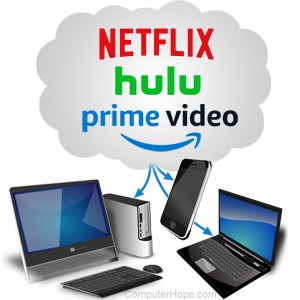
The concept of digital distribution emerged in the late 1990s, with the launch of online music platforms like Napster and iTunes, which allowed users to download and stream music directly to their computers. This was followed by the rise of online video platforms like YouTube, founded by Steve Chen, Chad Hurley, and Jawed Karim in 2005, and streaming services like Netflix, which began its shift from DVD rentals to streaming in 2007. Today, digital distribution is a multi-billion dollar industry, with companies like Google, Amazon, and Microsoft investing heavily in cloud-based infrastructure to support the growing demand for online content.
🚀 How It Works
Digital distribution works by utilizing a network of servers and data centers to store and transmit digital content to users across the globe. This is made possible by advancements in technology, including the development of faster internet speeds, more efficient data compression algorithms, and the widespread adoption of cloud computing. Companies like Akamai, founded in 1998, and Cloudflare, founded in 2009, provide content delivery networks (CDNs) that enable fast and secure delivery of digital content. Additionally, platforms like Steam, founded in 2003, and the Epic Games Store, launched in 2018, have revolutionized the way video games are distributed and consumed online.
🌐 Cultural Impact
The cultural impact of digital distribution has been profound, with the rise of streaming services like Spotify, founded in 2006, and Apple Music, launched in 2015, changing the way we consume music. Similarly, online video platforms like Twitch, founded in 2011, and YouTube have given rise to new forms of entertainment, such as live streaming and vlogging. The shift to digital distribution has also enabled new business models, such as subscription-based services and freemium models, which have disrupted traditional industries like music and film. As noted by industry experts like Chris Anderson, author of The Long Tail, and Kevin Kelly, founding editor of Wired, digital distribution has democratized access to content, allowing creators to reach a global audience without the need for traditional intermediaries.
🔮 Legacy & Future
The future of digital distribution is likely to be shaped by emerging technologies like artificial intelligence, blockchain, and 5G networks. Companies like IBM, founded in 1911, and Samsung, founded in 1938, are investing heavily in research and development to improve the efficiency and security of digital distribution. As the demand for online content continues to grow, driven by the rise of streaming services like Disney+, launched in 2019, and HBO Max, launched in 2020, the importance of digital distribution will only continue to increase. According to a report by Deloitte, the global digital media market is projected to reach $2.6 trillion by 2025, with digital distribution playing a critical role in shaping the future of the industry.
Key Facts
- Year
- 1999
- Origin
- United States
- Category
- technology
- Type
- concept
Frequently Asked Questions
What is digital distribution?
Digital distribution refers to the delivery of digital media content through online platforms, bypassing traditional physical distribution methods.
How does digital distribution work?
Digital distribution works by utilizing a network of servers and data centers to store and transmit digital content to users across the globe.
What are the benefits of digital distribution?
The benefits of digital distribution include increased accessibility, convenience, and cost savings for consumers, as well as new business models and revenue streams for content creators.
What are the challenges of digital distribution?
The challenges of digital distribution include issues related to digital rights management, piracy, and the need for fast and reliable internet connectivity.
What is the future of digital distribution?
The future of digital distribution is likely to be shaped by emerging technologies like artificial intelligence, blockchain, and 5G networks, and will continue to play a critical role in shaping the future of the media and entertainment industry.