
Contents
Overview
While bibimbap itself boasts a history stretching back to the Joseon Dynasty (1392-1897), with some scholars tracing its lineage to ancient agricultural practices of mixing grains and vegetables, the dolsot bibimbap is a more recent, though no less significant, evolution. The specific introduction of the stone pot is not attributed to a single inventor but rather emerged organically within Korean households and restaurants as a method to keep the dish warm and introduce a desirable textural contrast. The dolsot, typically made from a type of ceramic or stone that retains heat exceptionally well, likely gained popularity in the mid-to-late 20th century, becoming a signature presentation for bibimbap in many regions of South Korea, especially in areas known for their robust culinary traditions like Jeonju. This innovation transformed a simple mixed rice dish into a dynamic culinary experience, emphasizing the interplay of heat and texture.
⚙️ How It Works
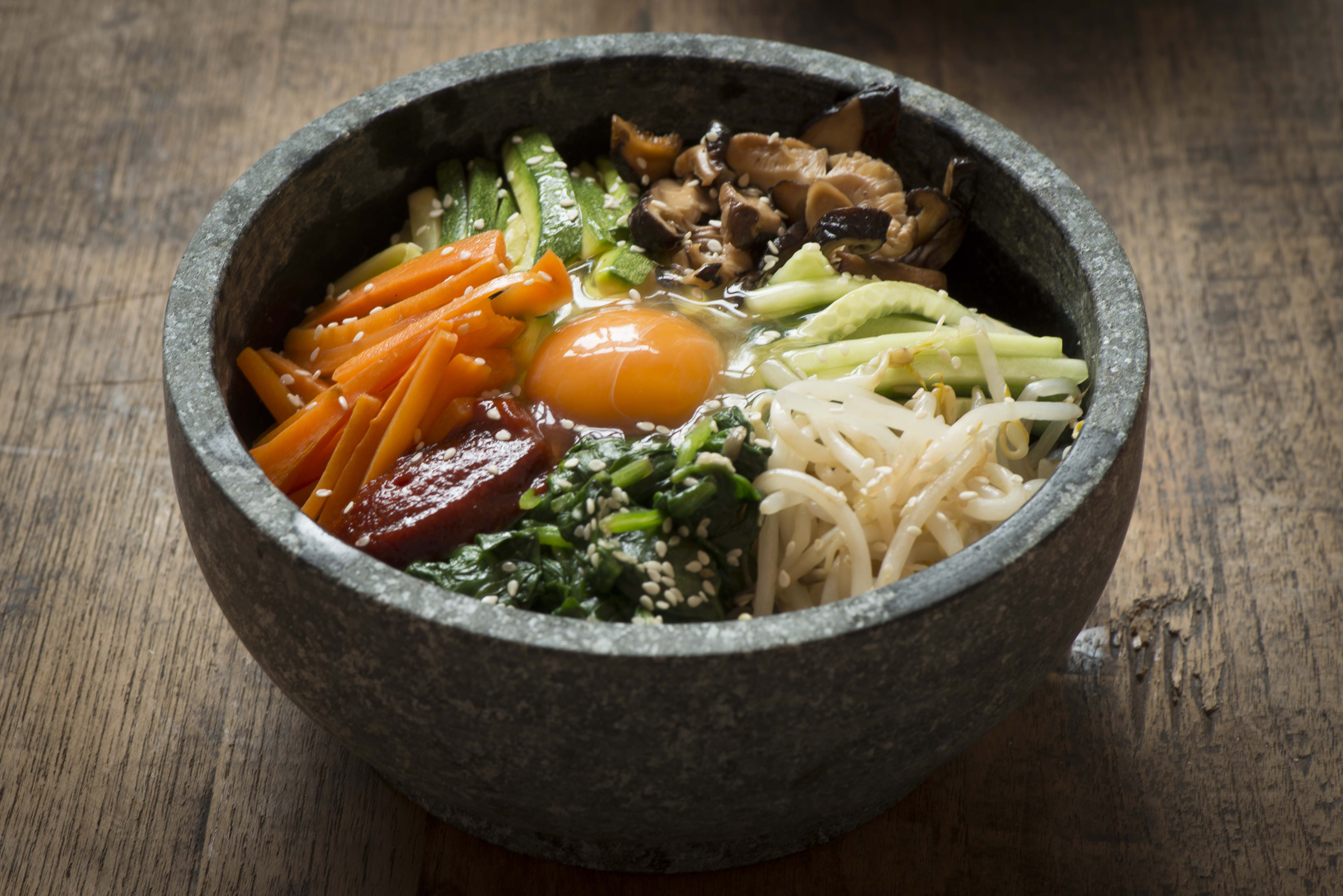
The preparation of dolsot bibimbap is a meticulous art form, beginning with the careful selection and preparation of each component. Rice, typically short-grain white rice, is cooked to perfection. A variety of seasoned vegetables, known as namul, are individually blanched or stir-fried and seasoned, often with sesame oil, garlic, and soy sauce; common examples include spinach, bean sprouts, fern bracken (gosari), and shiitake mushrooms. Thinly sliced marinated beef (bulgogi) is frequently included, though vegetarian and tofu options are also prevalent. The dolsot itself is heated to an extreme temperature, often oiled to prevent sticking and enhance crisping, before the rice is placed inside. The colorful toppings are then arranged artfully over the rice, creating a visually stunning presentation. The dish is served immediately, still sizzling, prompting the diner to mix everything together, allowing the residual heat to cook the egg and create a satisfyingly crispy rice crust at the bottom.
📊 Key Facts & Numbers
Dolsot bibimbap is a global ambassador for Korean cuisine. Restaurants specializing in Korean food worldwide report that dolsot bibimbap consistently ranks among their top 5 most ordered dishes. The market for Korean food products, including ingredients for bibimbap, has seen a compound annual growth rate of 8% over the past five years.
👥 Key People & Organizations
While no single individual is credited with inventing dolsot bibimbap, its popularization is intrinsically linked to the chefs and restaurateurs who refined its preparation and presentation. Figures like Maangchi, a renowned Korean cooking personality and author, have played a significant role in introducing authentic Korean dishes, including dolsot bibimbap, to a global audience through her popular YouTube channel. Restaurants such as Mukshik Dang in Seoul are celebrated for their traditional dolsot bibimbap, drawing both locals and tourists. The Korean Food Promotion Agency also actively promotes bibimbap as a representative Korean dish through various international culinary events and festivals, solidifying its place on the global gastronomic map.
🌍 Cultural Impact & Influence
Dolsot bibimbap has transcended its status as mere food to become a cultural icon. Its vibrant colors and the interactive nature of its preparation and consumption have made it a popular subject on social media platforms like Instagram and TikTok, where users share videos of the sizzling stone bowls and their mixing rituals, often garnering millions of views. The dish is frequently featured in Korean dramas and films, further embedding it in popular culture and influencing perceptions of Korean lifestyle. Its adaptability has also led to fusion variations, appearing in contexts far removed from traditional Korean restaurants, such as in Western-style cafes or as a component in more elaborate tasting menus, demonstrating its broad appeal and versatility. The visual appeal alone has contributed significantly to the global rise of Korean Wave culture.
⚡ Current State & Latest Developments
Dolsot bibimbap continues its reign as a beloved staple, with a growing emphasis on health-conscious variations and ingredient sourcing. Restaurants are increasingly highlighting the use of organic vegetables, locally sourced meats, and artisanal gochujang, appealing to a discerning clientele. There's also a noticeable trend towards plant-based dolsot bibimbap, with innovative tofu and mushroom preparations replacing traditional meat. Furthermore, the rise of food delivery services like Uber Eats and DoorDash has made dolsot bibimbap more accessible than ever, though challenges remain in ensuring the stone pot's integrity and heat upon arrival. Culinary innovation also sees chefs experimenting with regional Korean ingredients, creating unique dolsot bibimbap variations that celebrate specific local produce and flavors.
🤔 Controversies & Debates
One of the primary debates surrounding dolsot bibimbap centers on the authenticity of its preparation and the definition of 'traditional'. While the stone pot is now widely accepted, some purists argue that the sheer variety of namul and the specific arrangement can vary wildly, leading to questions about what constitutes the 'correct' version. Another point of contention is the optimal level of 'crispiness' for the rice; some prefer a deeply caramelized crust, while others find it too hard or burnt. The use of raw versus fried egg also sparks discussion, with each offering a distinct textural and flavor profile. Furthermore, the increasing commercialization and global spread have led to discussions about cultural appropriation versus appreciation, particularly when fusion versions deviate significantly from the original intent and ingredients.
🔮 Future Outlook & Predictions
The future of dolsot bibimbap appears robust, driven by its inherent appeal and adaptability. We can anticipate further innovation in plant-based and vegan renditions, catering to a growing global demand for ethical and sustainable dining options. Expect to see more regional Korean ingredients highlighted, potentially leading to the emergence of distinct 'terroir' bibimbaps, much like wine regions. Technological integration might also play a role, with smart dolsot pots designed to maintain optimal temperature during delivery or even at the table. The continued expansion of Korean cuisine globally suggests that dolsot bibimbap will remain a gateway dish for many, evolving while retaining its core identity. The potential for Michelin-starred chefs to elevate it further, perhaps through molecular gastronomy techniques or rare ingredient pairings, is also a distinct possibility.
💡 Practical Applications
Dolsot bibimbap's primary application is as a complete, balanced meal, offering carbohydrates, protein, and a wealth of vitamins and minerals from the vegetables. It's a popular choice for both lunch and dinner in Korean restaurants worldwide. Beyond its role as a restaurant staple, it serves as an excellent educational tool for teaching about Korean culinary traditions, ingredient preparation (like blanching and seasoning vegetables), and the importance of texture and visual appeal in food. Home cooks frequently prepare it, utilizing it as a versatile dish that can incorporate leftover vegetables and meats. Its adaptability also makes it a candidate for meal kits and pre-portioned ingredient boxes, simplifying the preparation process for busy individuals seeking a healthy and flavorful meal.
Key Facts
- Category
- culture
- Type
- topic