
Contents
Overview
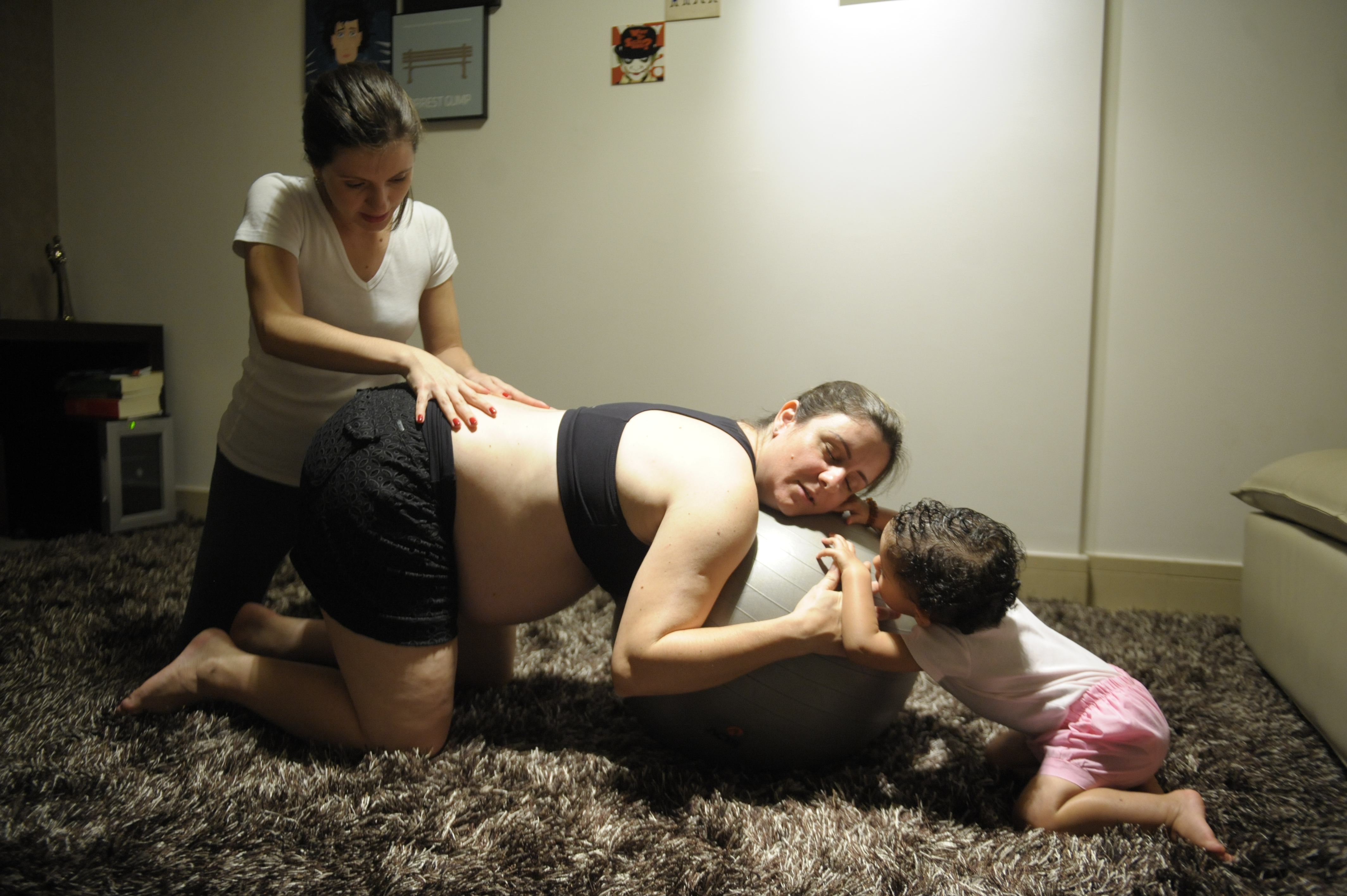
Doulas for All is a burgeoning movement advocating for the widespread availability and affordability of doula services, particularly for marginalized and underserved communities. It challenges the current landscape where doula care is often a luxury, pushing for systemic integration into healthcare systems and insurance coverage. The core tenet is that continuous, non-medical support during pregnancy, birth, and the postpartum period is a fundamental right, crucial for improving maternal and infant health outcomes, reducing disparities, and empowering birthing individuals. This movement seeks to normalize doula support, making it as accessible as prenatal check-ups, thereby addressing critical issues like high maternal mortality rates and birth trauma, especially among Black, Indigenous, and People of Color (BIPOC) populations.
🎵 Origins & History
The concept of continuous labor support, the bedrock of doula care, has deep historical roots across numerous cultures, predating modern medicalization of birth. The 'Doulas for All' framing emerged more recently as a direct response to the persistent inequities in access to this evidence-based care, highlighting that while the benefits are clear, they are not equitably distributed, particularly impacting low-income families and BIPOC communities who face the highest rates of maternal morbidity and mortality.
⚙️ How It Works
The 'Doulas for All' movement operates by advocating for policy changes, increasing public awareness, and fostering partnerships between doulas, healthcare providers, and community organizations. At its core, it champions the idea that doula support should be integrated into standard maternity care, not treated as an elective service. This involves lobbying for insurance reimbursement for doula services, pushing for Medicaid coverage expansion, and supporting community-based doula programs that offer free or low-cost support to those who cannot afford private doulas. The movement also emphasizes the training and professionalization of doulas, ensuring they are equipped to provide culturally sensitive and evidence-based support, while also advocating for fair compensation for doulas themselves, recognizing their vital role in the maternal healthcare ecosystem.
📊 Key Facts & Numbers
The statistics underscore the urgency behind the 'Doulas for All' movement. Babies born with doula support are reported to have lower rates of low birth weight and be less likely to require NICU admission. The maternal mortality rate in the U.S. remains alarmingly high. Despite these proven benefits, access to doula care is heavily skewed towards higher-income families.
👥 Key People & Organizations
Key figures and organizations are instrumental in driving the 'Doulas for All' agenda. The movement often draws inspiration from grassroots community organizers and doulas working directly with underserved populations, whose lived experiences powerfully inform the advocacy efforts.
🌍 Cultural Impact & Influence
The 'Doulas for All' movement is fundamentally reshaping perceptions of birth and postpartum care, shifting the narrative from a purely medical event to one that prioritizes emotional, physical, and informational support. It has spurred increased media attention on maternal health disparities and the role of doulas in mitigating them, influencing public discourse and consumer demand. This growing awareness is compelling healthcare systems and insurers to re-evaluate the value of doula care, moving it from the periphery to a more central position in maternity services. The cultural impact is also seen in the rise of community-based doula programs, which are not only providing essential support but also creating economic opportunities within marginalized communities, fostering a sense of empowerment and cultural continuity around birth.
⚡ Current State & Latest Developments
The 'Doulas for All' movement is broadening to include doula support for miscarriage and abortion experiences, recognizing the continuum of reproductive health needs.
🤔 Controversies & Debates
The 'Doulas for All' movement faces several significant controversies and debates. A primary point of contention is the cost of doula services and how to make them truly accessible without compromising doula compensation. Critics question the scalability of current models and the potential for overburdening doulas. There's also ongoing debate about standardized training and certification; while many advocate for it to ensure quality, others worry it could create barriers to entry for community-based doulas who possess invaluable cultural knowledge but may not fit traditional certification molds. Integrating doulas into existing hospital systems can be challenging, with some healthcare providers viewing doulas as redundant or even disruptive to established medical protocols, leading to friction and resistance within some clinical settings.
🔮 Future Outlook & Predictions
The future outlook for 'Doulas for All' is one of ambitious expansion and integration. Projections suggest that a significant number of U.S. states will have some form of insurance coverage for doula services, driven by mounting evidence of cost savings through reduced interventions and improved outcomes. The movement is likely to see increased collaboration between doulas, Certified Professional Midwives (CPMs), and Certified Nurse-Midwives (CNMs), fostering more holistic birth options. There's also a growing international dimension, with advocates in countries like Canada and the United Kingdom drawing inspiration from the U.S. movement to push for similar policy changes. The ultimate goal is to see doula support recognized not as a niche service, but as an essential component of comprehensive maternal healthcare globally.
💡 Practical Applications
The practical applications of the 'Doulas for All' movement are multifaceted, primarily focusing on increasing access to doula support. This includes advocating for insurance companies to cover doula services, pushing for Medicaid to reimburse doulas, and supporting community-based organizations that offer free or sliding-scale doula care. For individuals seeking support, this translates to more options for affordable, culturally competent care during pregnancy, birth, and the postpartum period. It also involves educating the public about the benefits of doula support, empowering individuals to advocate for their own needs within the healthcare system. The movement also supports the development of training programs that equip doulas to serve diverse populations effectively, ensuring that the support provided is relevant and impactful.
Key Facts
- Category
- movements
- Type
- topic