
Contents
Overview
The concept of advancing clocks for longer daylight, often termed Daylight Saving Time (DST), has roots stretching back to at least Benjamin Franklin's satirical essay in 1784, though his proposal was more about conserving candle wax than a serious policy. Modern DST implementation, however, truly began to take shape in the early 20th century. William Willett, a British builder and royal family acquaintance, is often credited with popularizing the idea in a 1907 pamphlet, advocating for clock-setting to allow for more evening leisure. Germany became the first nation to officially implement DST nationwide on April 30, 1916, during World War I, as a measure to conserve coal. Many other nations, including the United Kingdom and the United States, soon followed suit, driven by wartime needs for energy conservation and increased productivity. The practice has since seen numerous adjustments, abandonments, and re-adoptions across the globe, reflecting its persistent, albeit contentious, presence in modern society.
⚙️ How It Works
At its most basic, DST involves shifting clocks forward by a set amount, typically one hour, in the spring and backward by the same amount in the autumn. This seemingly simple adjustment requires a coordinated effort across a jurisdiction. For example, in the United States, the Uniform Time Act of 1966 established a system for DST, though states can opt out. The actual implementation involves updating timekeeping systems, from public clocks and personal watches to the complex networks of computer servers that govern global communication and finance. Software updates are crucial for ensuring that digital devices automatically adjust, preventing widespread confusion and errors in scheduling, transportation, and financial transactions. The precision required means that even minor glitches in these automated systems can have cascading effects.
📊 Key Facts & Numbers
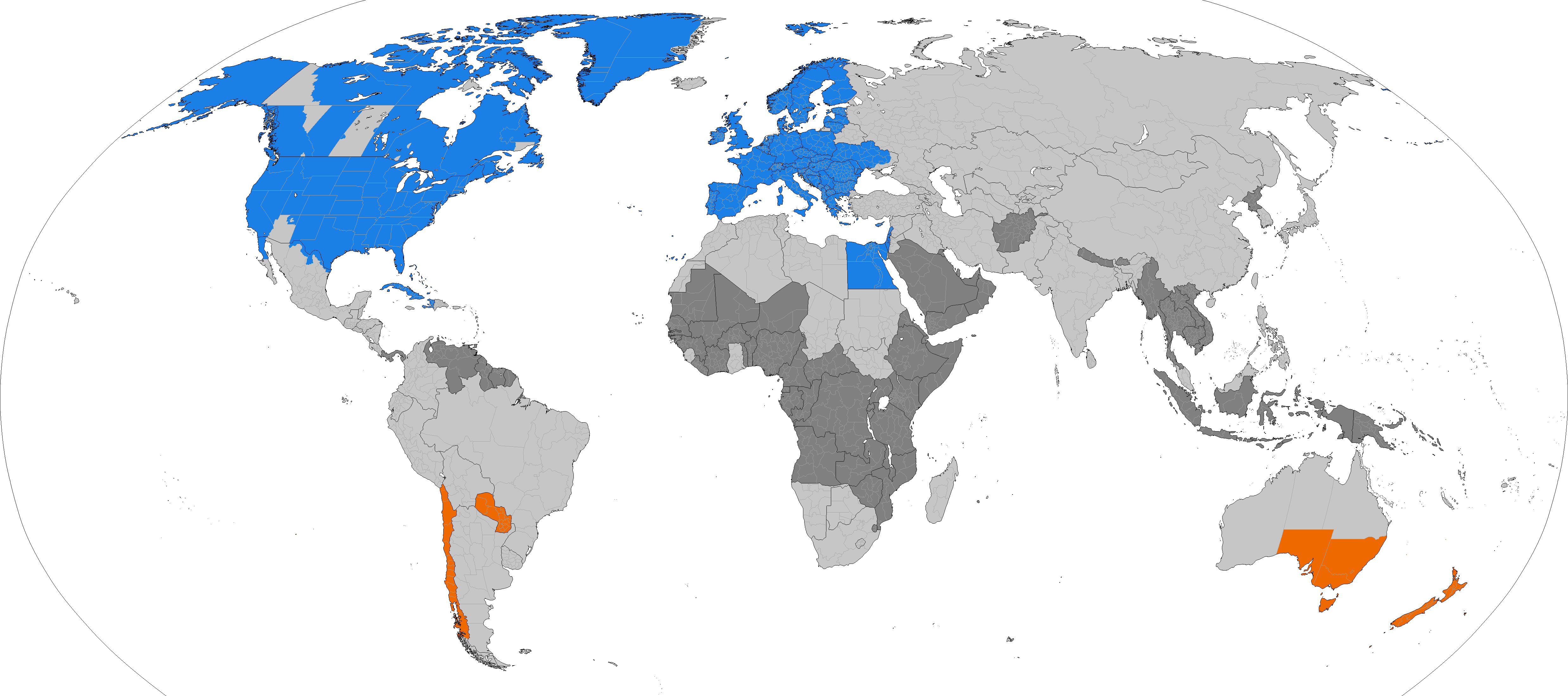
Globally, DST is observed by approximately 70 countries, affecting over a billion people, though its prevalence has shifted over time. In the United States, DST typically begins on the second Sunday in March and ends on the first Sunday in November, spanning about 33 weeks of the year. Energy savings, a primary historical justification, are now highly contested; a 2011 study by the University of California, Berkeley suggested that DST in the US saves only about 0.02% of total energy consumption per day. Conversely, some research indicates a slight increase in electricity demand due to greater use of air conditioning in the longer, hotter afternoons. The economic impact is also significant, with estimates of the disruption to business and productivity during the time change ranging into the billions of dollars annually, particularly in sectors reliant on precise scheduling like air travel and financial markets.
👥 Key People & Organizations
Key figures in the DST debate include William Willett, the early proponent whose pamphlets spurred early adoption, and Benjamin Franklin, whose satirical essay is often misconstrued as a serious proposal. More recently, policymakers like Senator Marco Rubio have championed permanent DST, introducing legislation such as the Sunshine Protection Act in the U.S. Senate. Organizations like the National Conference of State Legislatures (NCSL) track state-level legislative efforts regarding DST, while academic bodies such as the American Academy of Sleep Medicine have voiced concerns about the health impacts of the time shifts. The U.S. Department of Transportation is the federal agency responsible for overseeing DST in the United States, determining the dates of the transitions.
🌍 Cultural Impact & Influence
The cultural impact of DST is profound, shaping daily routines and societal rhythms for a significant portion of the year. The phrase "spring forward and fall back" is deeply ingrained in the lexicon of many cultures, signaling the biannual clock adjustment. Extended daylight in the evenings is often associated with increased outdoor recreation, shopping, and social activities, a phenomenon that has influenced urban planning and the design of public spaces. However, DST also disrupts natural circadian rhythms, leading to what many experience as "jet lag" twice a year. This disruption has been linked to temporary increases in heart attacks, strokes, and workplace accidents in the days following the spring time change, a significant societal cost often overlooked in discussions about energy savings.
⚡ Current State & Latest Developments
As of 2024, the debate over DST continues to simmer globally. Several U.S. states, including Florida, California, and Washington, have passed legislation to make DST permanent, awaiting federal approval. The European Union conducted a public consultation in 2018, with a majority voting to end seasonal clock changes, but a final decision has been postponed indefinitely, with member states struggling to agree on a unified approach. Meanwhile, countries like Russia and Turkey have experimented with permanent standard time or permanent DST, only to reverse course due to public or economic pressures. The ongoing legislative efforts and public discourse highlight a persistent tension between the desire for more evening daylight and the acknowledgment of DST's disruptive effects.
🤔 Controversies & Debates
The controversies surrounding DST are multifaceted and deeply entrenched. The primary debate centers on whether the purported benefits—energy savings and increased daylight for activities—outweigh the documented drawbacks. Critics point to studies by researchers like Meir Stampfer and Martin Young that suggest minimal to no energy savings, and even increased energy consumption in some regions. Furthermore, the health implications are a major point of contention, with numerous studies linking the abrupt time shifts to increased risks of cardiovascular events, sleep disturbances, and reduced productivity. The logistical complexity and cost of implementing and managing DST, including software updates and public awareness campaigns, also draw criticism. The debate is further complicated by regional differences in daylight patterns and societal needs, making a one-size-fits-all policy difficult to implement.
🔮 Future Outlook & Predictions
The future of DST remains uncertain, with a strong push in some regions towards permanent standard time or permanent DST. Proponents of permanent DST, like Senator Marco Rubio, argue it would boost economic activity and reduce sleep disruption. Conversely, many sleep experts and public health advocates argue for permanent standard time, aligning clock time with the sun's natural cycle and mitigating health risks associated with DST. The United Nations has also weighed in, suggesting that global standardization of timekeeping could simplify international trade and communication, but achieving such consensus is a monumental task. It's plausible that different regions will continue to adopt divergent policies, leading to increased complexity in international scheduling and travel, or a significant global shift towards one system could occur if a compelling scientific or economic consensus emerges.
💡 Practical Applications
DST's practical applications are primarily centered around maximizing daylight hours for human activity. Historically, this meant extending daylight for agricultural work and later for industrial productivity. In modern times, the perceived benefit is for increased opportunities for outdoor recreation, shopping, and social engagement during the evening hours. For businesses, particularly retail and leisure industries, the longer evenings are thought to encourage consumer spending. However, the implementation also necessitates adjustments in various sectors: transportation schedules must be updated, communication systems need to synchronize, and energy grids must account for potential shifts in demand. The very act of implementing DST requir
Key Facts
- Category
- technology
- Type
- topic