
Contents
- 🎵 Origins & History
- ⚙️ How It Worked: Governance and Society
- 📊 Key Facts & Numbers
- 👥 Key Figures & Institutions
- 🌍 Cultural Impact & Influence
- ⚡ Current State of Historical Understanding
- 🤔 Controversies & Debates
- 🔮 Future Outlook for Elizabethan Studies
- 💡 Practical Applications in Modern Contexts
- 📚 Related Topics & Deeper Reading
- References
Overview
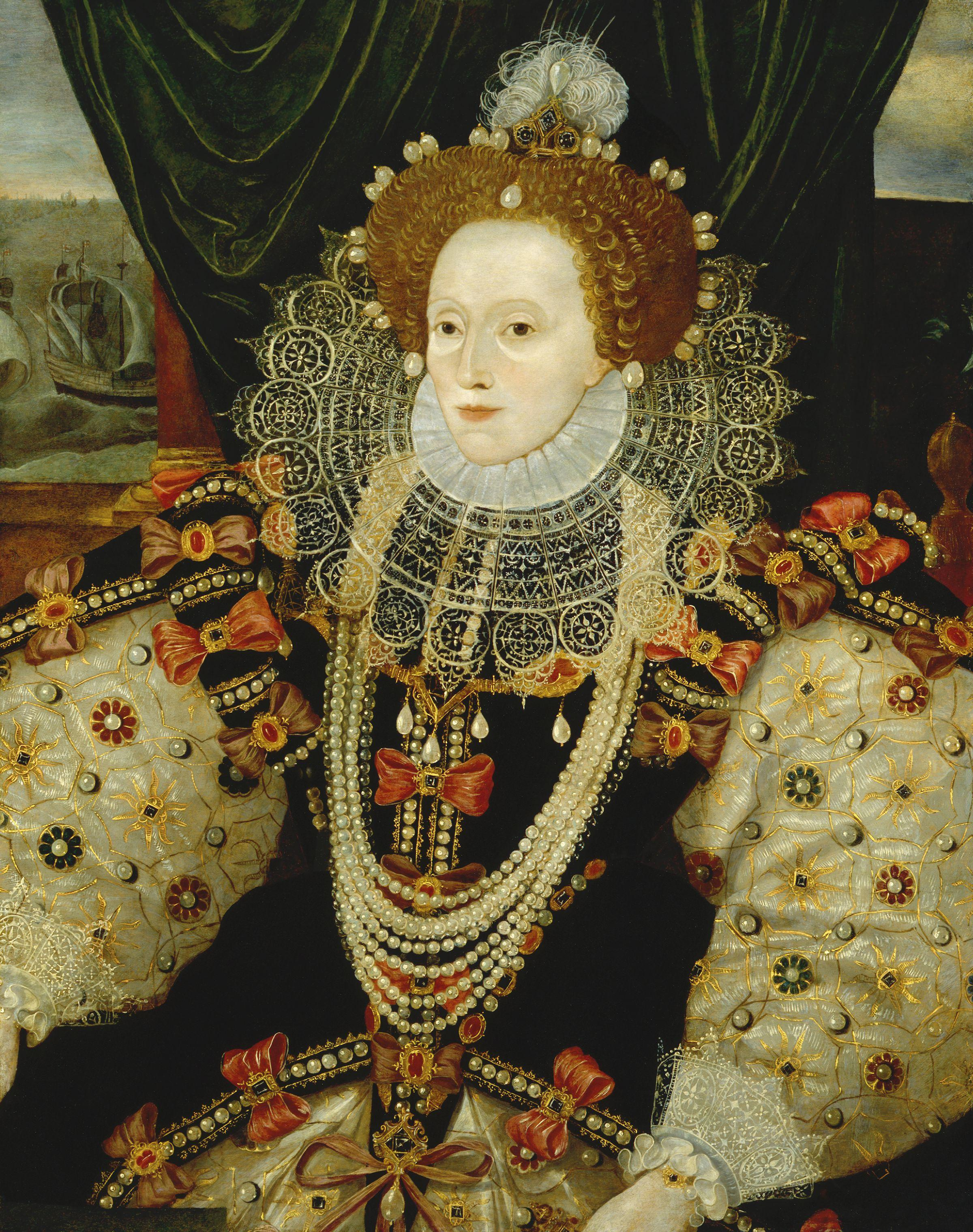
The Elizabethan Era, spanning Queen Elizabeth I's reign, is widely regarded as a golden age in English history. This period witnessed a stable and effective government, a burgeoning economy fueled by trans-Atlantic trade and privateering, and the firm establishment of the Protestant Reformation. It marked a crucial time of international engagement, with England embarking on significant exploration and expansion. Culturally, the era represents the zenith of the English Renaissance, characterized by an extraordinary flourishing of poetry, music, and particularly theatre. This era stands as a vibrant interlude of relative peace and cultural efflorescence between periods of intense religious and political upheaval.
🎵 Origins & History
Elizabeth, daughter of King Henry VIII and Anne Boleyn, inherited a kingdom fractured by religious strife and weakened by foreign entanglements. Her reign provided a much-needed period of stability. This era built upon the administrative reforms of her father and grandfather, King Henry VII, consolidating royal power and establishing a more centralized government. The foundation for England's growing maritime power was laid. The era concluded with the death of the 'Virgin Queen,' ushering in the Jacobean era under King James I of Scotland, who united the crowns of England and Scotland.
⚙️ How It Worked: Governance and Society
Elizabethan governance was characterized by a strong monarchical presence, advised by a Privy Council that included influential figures such as William Cecil, Lord Burghley, and later his son, Robert Cecil. Parliament, though not as powerful as in later centuries, played a role in legislation and taxation. The Church of England, established by Henry VIII, was solidified under Elizabeth's religious settlement, aiming for a middle way between Catholicism and radical Protestantism, though dissent persisted from both sides. Society was strictly hierarchical, with a landed aristocracy at the top, followed by a growing merchant class in burgeoning urban centers like London, and a vast population of rural laborers. The threat of invasion, particularly from Spain during the Spanish Armada in 1588, fostered a sense of national identity and loyalty to the crown.
📊 Key Facts & Numbers
The Elizabethan era saw significant economic growth. Trans-Atlantic trade began to flourish, with voyages to the Americas and the establishment of early colonial ventures, though often fraught with failure, such as the Lost Colony of Roanoke. Privateering, sanctioned by the crown, yielded immense wealth. The theatre industry boomed.
👥 Key Figures & Institutions
Beyond Queen Elizabeth I herself, the era was shaped by a constellation of influential figures. William Shakespeare, alongside contemporaries like Christopher Marlowe and Ben Jonson, revolutionized English theatre. Explorers and naval commanders such as Sir Francis Drake, Sir Walter Raleigh, and Sir John Hawkins expanded England's global reach and challenged established powers. Intellectuals and courtiers like Sir Philip Sidney contributed to the literary and philosophical landscape. Key institutions included the Royal Navy, which proved decisive against the Spanish Armada, and the burgeoning theatre companies like the Lord Chamberlain's Men (later the King's Men) and the Admiral's Men.
🌍 Cultural Impact & Influence
The cultural output of the Elizabethan era remains unparalleled in its impact on Western civilization. Literature experienced a golden age, with poetry flourishing through sonnets and epic verse, and prose developing new forms. Theatre, in particular, reached new heights of sophistication and popularity, with the construction of permanent playhouses like The Theatre and the Globe Theatre. This period saw the codification of the English language, with writers like Shakespeare introducing thousands of new words and phrases still in use today. The era's artistic achievements, including music composed by figures like William Byrd, laid crucial groundwork for subsequent developments in English arts and culture, influencing everything from modern drama to national identity.
⚡ Current State of Historical Understanding
Contemporary historical understanding of the Elizabethan era emphasizes its complexity beyond the 'golden age' narrative. While acknowledging the cultural achievements and relative stability, modern historians increasingly focus on the social inequalities, the harsh realities for the majority of the population, and the persistent religious tensions. The economic prosperity was not evenly distributed, and the era was marked by significant poverty and social unrest. The narrative of England's triumphant rise often downplays the brutal aspects of colonization and the human cost of privateering. Scholarship continues to explore the nuances of Elizabethan society, examining the lives of women, the experiences of religious minorities, and the impact of disease and famine, offering a more multifaceted view than earlier celebratory accounts.
🤔 Controversies & Debates
The notion of the Elizabethan era as a singular 'golden age' is a subject of ongoing debate. Critics argue that this romanticized view overlooks the significant challenges and hardships faced by most Elizabethans, including widespread poverty, disease, and the precariousness of religious settlement. The narrative also tends to center on the elite, neglecting the experiences of the common people. Furthermore, the era's 'triumphs' in exploration and naval power are increasingly scrutinized for their colonial implications and the violence inherent in challenging Spanish hegemony. The extent to which Elizabeth's personal rule truly represented effective governance versus a skillful manipulation of political forces remains a point of historical contention.
🔮 Future Outlook for Elizabethan Studies
Future scholarship on the Elizabethan era is likely to delve deeper into digital humanities approaches, utilizing computational analysis of texts and historical records to uncover new patterns in literature, economics, and social structures. Comparative studies with contemporary European powers, such as France under Henry IV and Spain under Philip II, will continue to refine our understanding of England's place in the wider geopolitical landscape. There will be a continued emphasis on microhistories, exploring the lives of individuals and specific communities to provide richer, more granular insights into daily life. The legacy of Elizabethan exploration and its impact on indigenous populations will remain a critical area of investigation, challenging traditional narratives of national glory.
💡 Practical Applications in Modern Contexts
The Elizabethan era's influence is palpable in modern governance, literature, and national identity. The concept of a strong, centralized monarchy, while evolved, still resonates in discussions of state power. The literary canon established during this period, particularly the works of William Shakespeare, continues to be studied, performed, and adapted globally, influencing narrative structures and linguistic expression. The spirit of exploration and maritime ambition, though transformed, echoes in modern narratives of innovation and global engagement. Furthermore, the religious compromises and debates of the era offer historical parallels for understanding contemporary issues of secularism and religious freedom. The very notion of a 'golden age' serves as a recurring trope in national self-perception.
Key Facts
- Category
- history
- Type
- topic