
Contents
- 🎵 Origins & History
- ⚙️ How It Works
- 📊 Key Facts & Numbers
- 👥 Key People & Organizations
- 🌍 Cultural Impact & Influence
- ⚡ Current State & Latest Developments
- 🤔 Controversies & Debates
- 🔮 Future Outlook & Predictions
- 💡 Practical Applications
- 📚 Related Topics & Deeper Reading
- Frequently Asked Questions
- References
- Related Topics
Overview
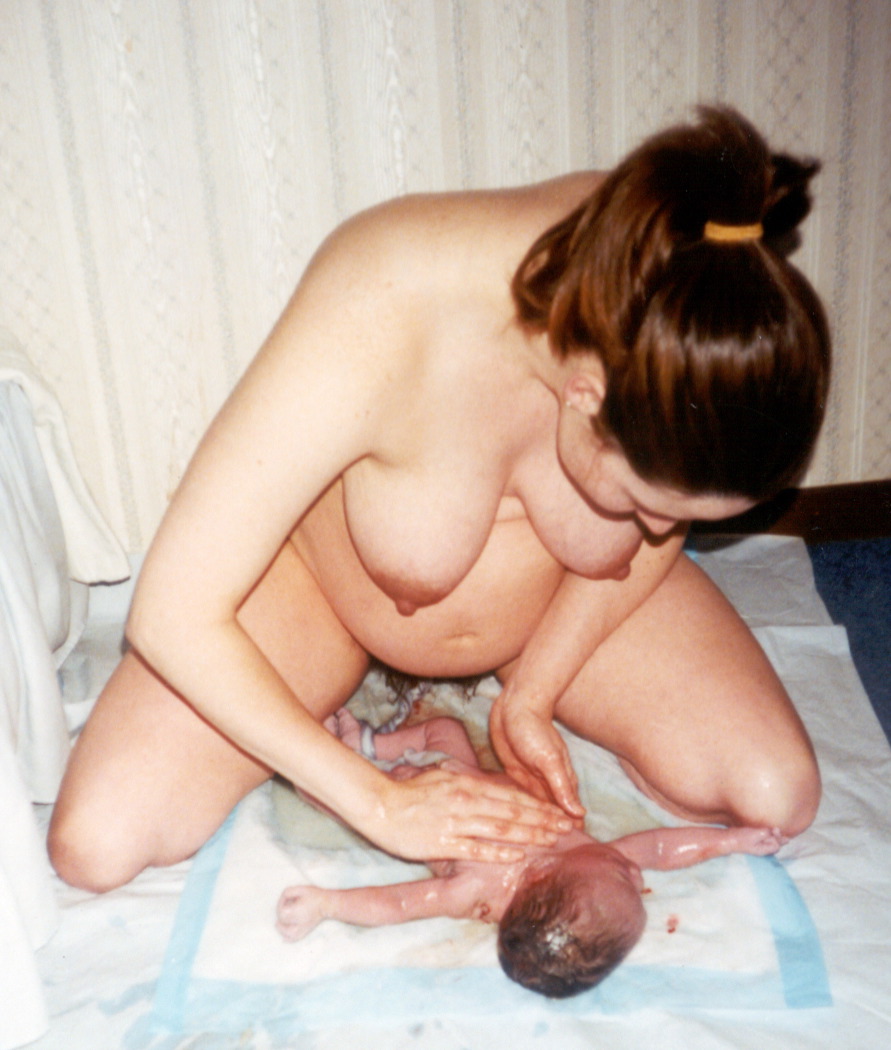
The concept of empowered childbirth isn't entirely new; it echoes historical birthing practices where women relied on community, intuition, and physiological knowledge. However, the modern movement gained significant traction in the late 20th century, fueled by the midwifery movement and critiques of increasing medical interventions in hospital births. Figures like Ina May Gaskin, a prominent midwife and author, became central to this resurgence, championing the idea that birth is a natural process that often requires minimal intervention. Her book, 'Spiritual Midwifery' (1975), became a foundational text, detailing positive birth stories and advocating for trust in the female body. This period also saw the rise of natural childbirth advocates and the establishment of organizations like the International Childbirth Education Association (ICEA) in 1960, which aimed to educate parents and promote more humane birth practices. The philosophy fundamentally pushed back against the prevailing medicalization that began in the early 20th century, seeking to restore agency to the birthing person.
⚙️ How It Works
Empowered childbirth operates on several interconnected principles. Firstly, it prioritizes comprehensive childbirth education that covers physiological birth, potential interventions, and informed consent. This education empowers individuals to understand their options and articulate their preferences. Secondly, it emphasizes building a strong support system, which can include partners, doulas, supportive family members, and midwives, all of whom are seen as allies in the birthing person's journey. Thirdly, it involves developing a birth plan—a document outlining preferences for labor and delivery—though flexibility is key, acknowledging that birth is unpredictable. Finally, it encourages a mindset shift: viewing birth not as a medical emergency to be managed, but as a powerful, transformative physiological event that the birthing person is inherently equipped to navigate. This often involves techniques like mindfulness, hypnobirthing, and movement in labor to facilitate the process.
📊 Key Facts & Numbers
Globally, birth outcomes vary significantly, but the desire for more agency is widespread. In the United States, approximately 60% of births occur in hospitals, with rates of cesarean sections hovering around 32% in 2021, a figure considered high by WHO standards. Conversely, home births, while still a minority, have seen a slight increase, accounting for about 1.1% of births in the US in 2020. In countries like the Netherlands, home births attended by midwives are a cultural norm, representing around 16% of all births in 2020. The demand for doula support has also grown, with studies suggesting doula assistance can reduce cesarean rates by up to 25% and epidural use by 30%. Access to childbirth education programs, like Lamaze or Bradley Method classes, is crucial, with millions of parents globally participating annually to prepare for birth.
👥 Key People & Organizations
Key figures in the empowered childbirth movement include Ina May Gaskin, a pioneering midwife and author whose work has inspired generations. Michel Odent, a French obstetrician, is also influential, advocating for the 'primal state' of birth and the importance of a calm, undisturbed environment. Organizations like Childbirth Connection (now part of Transforming Maternity Care Partnership) have been instrumental in advocating for evidence-based maternity care and patient rights. DONA International is a leading certifying body for doulas, having trained tens of thousands of birth professionals worldwide since its founding in 1992. Many independent childbirth educators and midwives also play critical roles in local communities, providing education and support that embodies the principles of empowered birth.
🌍 Cultural Impact & Influence
The cultural impact of empowered childbirth is profound, shifting perceptions of birth from a passive medical event to an active, transformative experience. It has fostered a greater appreciation for the physiological capabilities of the female body and challenged the routine use of interventions. This movement has also spurred the growth of alternative and complementary therapies related to pregnancy and birth, such as acupuncture, prenatal yoga, and prenatal massage. The rise of social media has amplified this cultural shift, with online communities and influencers sharing birth stories and advocating for informed choices, creating a powerful network of support and information exchange. The emphasis on informed consent in medical settings has also been bolstered by this movement, encouraging healthcare providers to engage more thoroughly with patients about their care options.
⚡ Current State & Latest Developments
In the current landscape (2024-2025), there's a continued push for maternity care reform globally. The Transforming Maternity Care Partnership and similar advocacy groups are actively working to increase access to midwifery care and reduce unnecessary interventions. Telehealth options for prenatal care have expanded, offering more flexibility, though the importance of in-person support during labor remains paramount. There's also a growing interest in postpartum support and mental health, recognizing that empowerment extends beyond birth itself. The CDC continues to track birth statistics, providing data that advocates use to highlight areas needing improvement in maternal care. The conversation around birth trauma is also gaining prominence, further underscoring the need for respectful, person-centered care.
🤔 Controversies & Debates
The most significant controversy surrounding empowered childbirth often centers on the concept of unassisted childbirth or 'freebirth,' where individuals intentionally choose to give birth without any medical or professional attendant. Critics, including many medical organizations like the American College of Obstetricians and Gynecologists (ACOG), argue that this practice carries significant risks for both the birthing person and the infant, citing potential complications that require immediate medical intervention. They emphasize that even 'normal' births can have unforeseen emergencies. Proponents, however, argue that with adequate preparation, education, and a healthy pregnancy, individuals are capable of managing birth independently, viewing medical attendance as an unnecessary intrusion that can disrupt the natural process and lead to unwanted interventions. The debate highlights a fundamental tension between bodily autonomy and the medical establishment's focus on risk mitigation.
🔮 Future Outlook & Predictions
The future of empowered childbirth likely involves a greater integration of physiological birth principles within mainstream maternity care. We can anticipate continued advocacy for midwifery-led models and increased access to doula services, potentially through insurance coverage expansion in more regions. There's also a growing focus on perinatal mental health and addressing birth trauma, which aligns with the core values of empowerment and respectful care. As technology advances, we might see innovative tools that support physiological birth, rather than replace it, perhaps in remote monitoring or enhanced education platforms. The ultimate goal for many in the movement is a healthcare system that truly partners with birthing individuals, respecting their autonomy and trusting their bodies' innate wisdom, moving away from a model of passive reception of care to active participation and informed choice.
💡 Practical Applications
Empowered childbirth principles translate into practical applications across various birth settings. In hospitals, this means advocating for informed consent for all procedures, minimizing routine interventions like artificial rupture of membranes or continuous electronic fetal monitoring unless medically indicated, and encouraging mobility and natural pain relief methods. For those planning home births, it involves thorough preparation, assembling a skilled support team (often a midwife and doula), and creating a safe, comfortable environment. Even for individuals choosing unassisted birth, practical application involves extensive research, understanding warning signs, and having emergency plans in place. The core application is always about the birthing person being the primary decision-maker, equipped with knowledge and supported by their chosen network.
Key Facts
- Year
- Late 20th Century - Present
- Origin
- Global (Modern movement largely influenced by US and European thinkers)
- Category
- culture
- Type
- concept
Frequently Asked Questions
What is the core philosophy of empowered childbirth?
The core philosophy of empowered childbirth is centered on the birthing person's autonomy, informed decision-making, and trust in the physiological process of birth. It advocates for comprehensive education, a strong support network, and active participation in all choices regarding pregnancy, labor, and postpartum care. This approach seeks to move away from a model where birth is viewed primarily as a medical event requiring constant intervention, towards one that respects the birthing person's innate capabilities and desires for their experience.
How does empowered childbirth differ from traditional hospital birth?
Empowered childbirth differs from a traditional hospital birth by emphasizing the birthing person's agency and informed consent at every step. While a traditional hospital birth may involve more routine interventions and a more passive role for the patient, empowered childbirth encourages active questioning, understanding the risks and benefits of procedures, and advocating for personal preferences. This can mean negotiating the use of continuous electronic fetal monitoring, mobility during labor, and the timing of umbilical cord clamping, aiming for a birth experience that aligns with the individual's values and goals, even within a hospital setting.
What role do doulas play in empowered childbirth?
Doulas play a crucial supportive role in empowered childbirth by providing continuous emotional, physical, and informational support to the birthing person and their partner. They are non-medical professionals trained to assist during labor and delivery, helping to facilitate communication with healthcare providers, offering comfort measures, and advocating for the birthing person's wishes as outlined in their birth plan. Studies, such as those compiled by Cochrane reviews, suggest that continuous doula support can lead to shorter labor durations, reduced need for pain relief medications, and lower rates of cesarean sections, all contributing to a more positive and empowered birth experience.
Is empowered childbirth the same as natural childbirth or unassisted childbirth?
Empowered childbirth is a broader philosophy that encompasses and informs choices about natural childbirth and, for some, unassisted childbirth. Natural childbirth typically refers to a birth without medical interventions like epidurals or cesarean sections, focusing on physiological processes. Unassisted childbirth, or freebirth, is a specific choice to give birth without any professional attendant. Empowered childbirth, however, is the overarching principle of agency and informed choice, meaning someone can have an empowered hospital birth with interventions, an empowered home birth with a midwife, or even an empowered unassisted birth, as long as the decisions are informed and align with their values.
What are the main criticisms or controversies surrounding empowered childbirth?
The primary controversy often arises from the more extreme end of the spectrum, particularly unassisted childbirth, which many medical professionals deem unsafe due to the potential for unforeseen emergencies requiring immediate medical intervention. Critics argue that the emphasis on 'natural' can sometimes lead individuals to dismiss legitimate medical advice or necessary interventions, potentially jeopardizing maternal and infant health. There's also debate about the extent to which the medical system is equipped or willing to fully support patient autonomy, and whether the pursuit of an 'ideal' empowered birth can sometimes create undue pressure or guilt for those with different experiences.
How can someone prepare for an empowered childbirth experience?
Preparation for an empowered childbirth involves several key steps. Firstly, engage in comprehensive childbirth education from reputable sources like Lamaze or Bradley Method classes to understand the physiological process and your options. Secondly, build a strong support team, which might include your partner, a doula, and a midwife or obstetrician who respects your choices. Thirdly, research your care providers and birth locations thoroughly, asking questions about their practices regarding interventions and autonomy. Finally, develop a birth plan to articulate your preferences, but remain flexible, understanding that birth is a dynamic process. Cultivating a mindset of trust in your body and your support system is also paramount.
What are the long-term benefits of an empowered childbirth experience?
The long-term benefits of an empowered childbirth experience can be significant, extending beyond the immediate postpartum period. For the birthing person, a positive and agency-driven birth can foster increased confidence, a stronger sense of self-efficacy, and a more positive postpartum adjustment. It can also contribute to a more positive parent-infant bonding experience, as the birthing person feels more connected to their body and their baby. Furthermore, having a birth experience that aligns with one's values can reduce the likelihood of birth trauma and contribute to overall maternal mental well-being. This sense of control and respect during a vulnerable time can have lasting positive psychological impacts.