
Contents
Overview
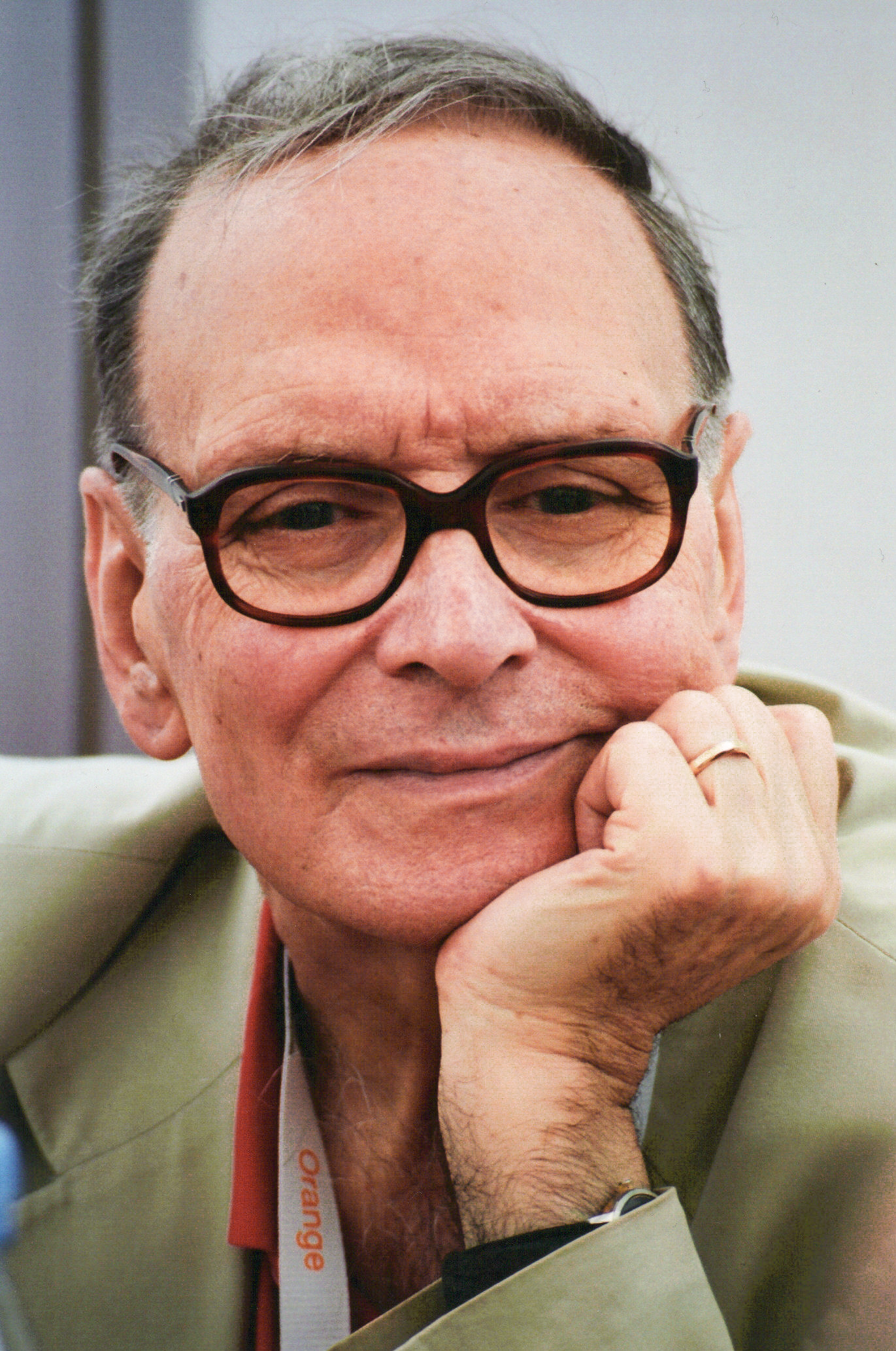
Born in Rome, Italy, Ennio Morricone's musical journey began under the tutelage of his father, Mario Morricone, a trumpeter. He enrolled at the Accademia Nazionale di Santa Cecilia at the age of 11, studying trumpet and composition. Initially a professional trumpeter and arranger for popular music, Morricone’s career took a significant turn when he began composing for film and television in the late 1950s. His early work for RAI television and his burgeoning collaborations with directors like Luciano Salce laid the groundwork for his later international success. The watershed moment arrived with his scores for Sergio Leone's spaghetti westerns, starting with A Fistful of Dollars in 1964, which established a new sonic language for the genre and launched Morricone onto the global stage.
⚙️ How It Works: The Morricone Sound
Morricone's compositional technique was a masterclass in sonic innovation, often defying traditional orchestral conventions. He famously incorporated unconventional instruments and sounds – from whistling and electric guitar to whip cracks and human voices used as percussive or melodic elements – to create a visceral and emotionally resonant soundscape. His melodies were often deceptively simple yet profoundly memorable, capable of evoking vast landscapes, intense drama, or tender melancholy. He possessed an uncanny ability to tailor his music to the specific mood and narrative of a film, seamlessly blending avant-garde techniques with accessible, tuneful themes. This distinctive approach, often referred to as the 'Morricone sound,' became instantly recognizable and widely imitated, influencing generations of composers in film and beyond.
📊 Key Facts & Numbers
Morricone's career spanned over six decades. His scores were integral to the success of numerous iconic films, including all of Sergio Leone's westerns from A Fistful of Dollars (1964) onwards, and all of Giuseppe Tornatore's films since Cinema Paradiso (1988). Morricone received an unprecedented number of accolades, including two Academy Awards, three Grammy Awards, three Golden Globe Awards, six BAFTA Awards, and ten David di Donatello Awards.
👥 Key People & Collaborations
Morricone's professional life was marked by pivotal collaborations, most famously with director Sergio Leone. Their partnership, beginning with the 'Dollars Trilogy'—A Fistful of Dollars (1964), For a Few Dollars More (1965), and The Good, the Bad and the Ugly (1966)—revolutionized the sound of the western. He also forged a deep artistic bond with director Giuseppe Tornatore, scoring all of his films from Cinema Paradiso (1988) to The Legend of the Pianist on the Ocean (1998) and beyond. Other significant collaborators included Dario Argento for his 'Animal Trilogy' (The Bird with the Crystal Plumage, The Cat o' Nine Tails, Four Flies on Grey Velvet), and directors such as John Carpenter for The Thing (1982) and Roland Joffé for The Mission (1986). His wife, Maria Travia, was also a frequent lyricist for his vocal compositions.
🌍 Cultural Impact & Influence
Ennio Morricone's influence on cinema and music is immeasurable. He elevated the role of the film composer from mere background accompaniment to an essential narrative element, demonstrating that music could be as compelling and memorable as the visual storytelling itself. His scores for spaghetti westerns, particularly those for Sergio Leone, created an auditory identity for the genre, influencing countless subsequent westerns and action films. Beyond westerns, his work on films like The Mission (1986) and Cinema Paradiso (1988) showcased his versatility and ability to evoke profound emotional depth. Composers such as Hans Zimmer, Alexandre Desplat, and Michael Giacchino have cited Morricone as a primary inspiration, acknowledging his groundbreaking techniques and melodic genius. His music has been sampled by hip-hop artists like Wu-Tang Clan and featured in numerous commercials and sporting events, demonstrating its pervasive cultural reach.
⚡ Current State & Legacy
Following his death on July 6, 2020, Ennio Morricone's legacy continues to thrive. His extensive catalog remains a vital resource for filmmakers, and his compositions are frequently performed by orchestras worldwide. The official website serves as a hub for his work, and his music is readily available on all major streaming platforms like Spotify and Apple Music. Retrospectives, documentaries, and tribute concerts continue to celebrate his contributions. The enduring popularity of his scores, particularly those from the spaghetti western era and films like Cinema Paradiso, ensures his music remains a cornerstone of cinematic history and a source of inspiration for new generations of artists and audiences.
🤔 Controversies & Debates
Despite his widespread acclaim, Morricone occasionally faced criticism regarding his prolific output, with some critics questioning the depth or originality of certain scores, particularly in his earlier television work. A notable debate arose around his perceived lack of competitive Academy Award wins for much of his career, despite numerous nominations, leading to the awarding of an Honorary Oscar in 2007. Some critics also debated the extent to which his iconic western scores overshadowed his equally brilliant work in other genres. However, the sheer volume and consistent quality of his output, coupled with his innovative techniques, largely silenced these critiques, solidifying his position as a master craftsman.
🔮 Future Outlook & Predictions
The future of Morricone's music lies in its continued reinterpretation and integration into new media. Expect to see his iconic themes continue to be sampled, referenced, and re-orchestrated in films, television shows, and video games. The ongoing exploration of his vast classical catalog may also yield new discoveries and performances, further cementing his reputation beyond film scoring. As technology advances, immersive audio experiences might offer novel ways to engage with his complex compositions. The enduring power of his melodies suggests that his music will remain relevant for decades, a testament to its timeless emotional resonance and innovative spirit.
💡 Practical Applications
Morricone's music finds practical application far beyond the silver screen. His scores are staples in orchestral concerts globally, performed by ensembles like the Rome Symphony Orchestra and the London Symphony Orchestra. His distinctive sound has been licensed for countless commercials, trailers, and public service announcements, leveraging its immediate emotional impact. In education, his works serve as exemplary case studies for composition students at institutions like the Juilliard School, illustrating principles of melody, harmony, and orchestration. Furthermore, his innovative use of instrumentation and vocalization continues to inspire sound designers and experimental musicians across various genres.
Key Facts
- Category
- culture
- Type
- topic