
Contents
Overview
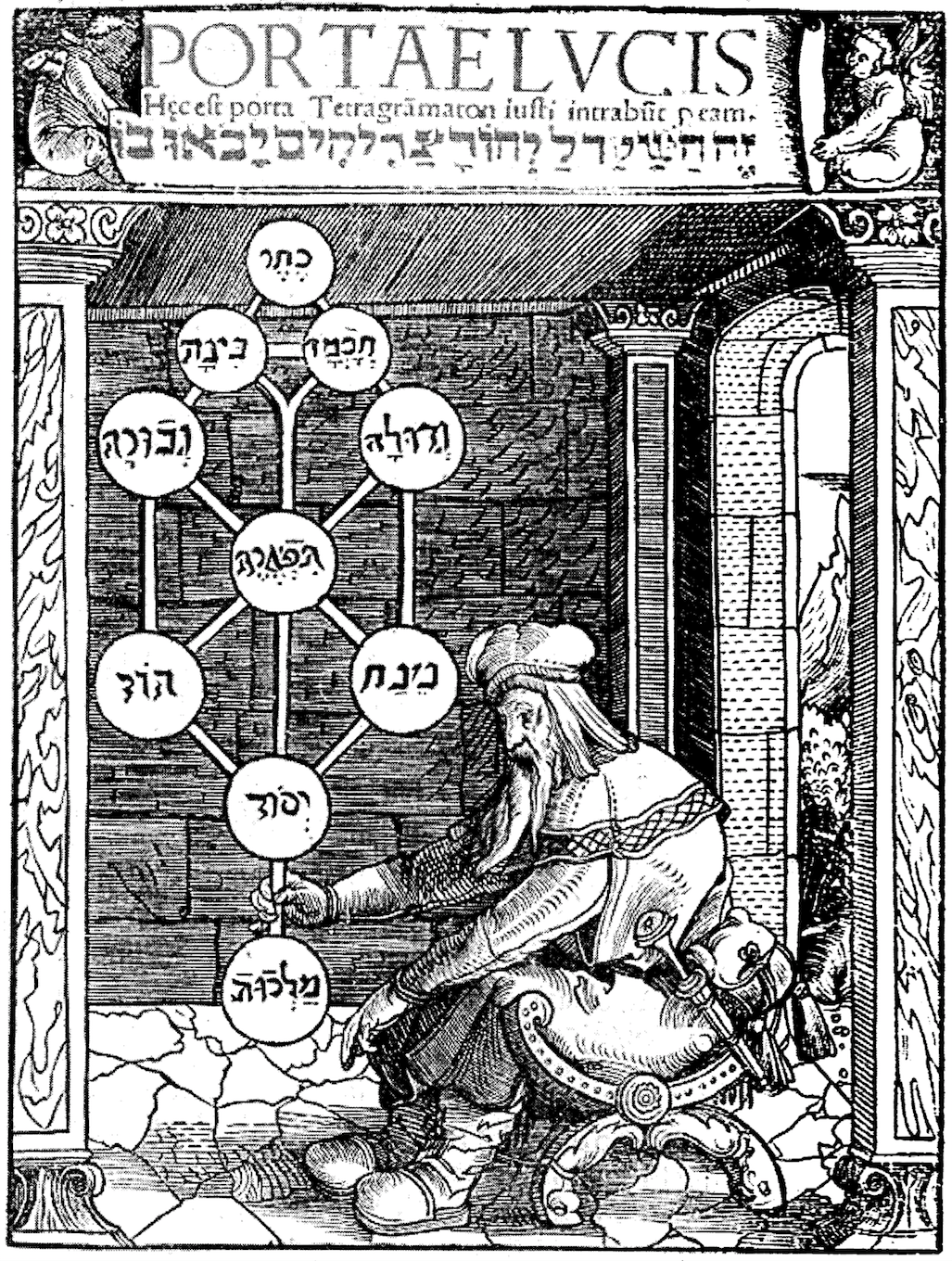
The roots of esoteric thought stretch back to the earliest human attempts to understand the cosmos and humanity's place within it, predating formalized religions and scientific inquiry. Ancient civilizations like Egypt, Mesopotamia, and India developed complex cosmologies, mythologies, and ritual practices that contained hidden layers of meaning. Gnosticism, a diverse set of religious ideas prevalent in the early Christian era, posited a divine spark trapped within a material world created by a lesser deity, seeking liberation through secret knowledge. Later, Neoplatonism, particularly through figures like Plotinus, offered a philosophical framework for mystical ascent. The medieval period saw the continuation of these traditions through alchemy, Kabbalah, and various Christian mystical orders, often operating in secrecy to avoid persecution by dominant religious authorities like the Roman Catholic Church. The Renaissance witnessed a revival of interest in Hermeticism and Neoplatonism, notably through the work of Marsilio Ficino and the Platonic Academy of Florence, laying groundwork for later esoteric movements.
⚙️ How It Works
Esoteric thought operates on the principle that certain truths are not accessible through ordinary sensory experience or rational deduction alone, but require a deeper, intuitive, or divinely inspired understanding. This often involves a structured system of symbols, allegories, and correspondences that map the macrocosm (universe) onto the microcosm (human being). Practices such as meditation, ritual, divination, and the study of sacred texts are employed to facilitate inner transformation and gain insight into these hidden principles. Many esoteric traditions emphasize a hierarchical structure of knowledge, with different levels of understanding revealed to initiates as they progress. This intricate web of interconnectedness is central to many esoteric disciplines, from astrology to alchemy.
📊 Key Facts & Numbers
The global esoteric market is difficult to quantify precisely due to its decentralized and often private nature, but estimates suggest it is a multi-billion dollar industry.
👥 Key People & Organizations
Numerous individuals and organizations have shaped the landscape of esoteric thought. Paracelsus, a 16th-century alchemist and physician, integrated mystical and empirical approaches. In the 19th century, Eliphas Lévi and Helena Blavatsky (founder of the Theosophical Society) were instrumental in reviving and popularizing occult traditions. Albert Pike, a prominent Freemason and author of "Morals and Dogma," codified much of Freemasonry's esoteric philosophy. Contemporary figures like Rupert Sheldrake explore concepts like morphic resonance, bridging esoteric ideas with scientific inquiry. Organizations such as the Hermetic Order of the Golden Dawn, Ordo Templi Orientis (OTO), and various Wiccan covens and Pagan groups continue to preserve and evolve these traditions.
🌍 Cultural Impact & Influence
Esoteric thought has exerted a pervasive, albeit often subtle, influence on Western culture. Its symbolism and concepts have permeated art, literature, and music, from the Renaissance paintings of Sandro Botticelli to the poetry of William Yeats and the music of David Bowie. The Symbolist movement in art and literature drew heavily on esoteric imagery. The development of psychology, particularly the work of Carl Jung on archetypes and the collective unconscious, shows clear parallels with esoteric concepts of universal symbols and inner spiritual realities. Even scientific fields like quantum physics have seen some thinkers draw speculative parallels with esoteric notions of interconnectedness and consciousness. The enduring fascination with secret societies and hidden knowledge continues to fuel popular culture, from novels like Dan Brown's "The Da Vinci Code" to numerous documentaries and online forums.
⚡ Current State & Latest Developments
In the 21st century, esoteric thought is experiencing a resurgence, amplified by the internet and social media. Online communities and platforms like YouTube and Reddit have become hubs for the dissemination of esoteric knowledge, connecting practitioners and seekers globally. This digital accessibility has democratized access to information previously confined to secret societies or rare texts. There's a growing interest in integrating esoteric practices with modern wellness trends, leading to phenomena like "spiritual but not religious" identities, crystal healing, and the popularization of astrology apps like Co-Star and The Pattern. Simultaneously, academic study of Western esotericism has gained traction, with university courses and research centers dedicated to the field, moving it from the fringes to scholarly discourse. The influence of Chaos Magic, a postmodern approach to magic that emphasizes belief as a tool, continues to evolve, demonstrating the adaptability of esoteric principles in contemporary contexts.
🤔 Controversies & Debates
The primary controversy surrounding esoteric thought lies in its demarcation from established science and religion. Critics often label esoteric practices as pseudoscience, citing a lack of empirical evidence and testable hypotheses for claims related to magic, divination, or paranormal phenomena. The secrecy inherent in many esoteric traditions fuels suspicion, leading to accusations of manipulation, charlatanism, and cult-like behavior, particularly concerning groups that demand significant financial or personal commitment from members. Debates also arise within esoteric communities themselves regarding authenticity, interpretation of texts, and the ethical use of occult powers. The historical association of some esoteric traditions with fringe political ideologies, such as Nazism's appropriation of occult symbols, further complicates public perception. Furthermore, the commercialization of esoteric practices, particularly in the wellness industry, raises concerns about exploitation and the dilution of genuine spiritual traditions for profit.
🔮 Future Outlook & Predictions
The future of esoteric thought appears to be one of increasing integration and hybrid
Key Facts
- Category
- philosophy
- Type
- topic