
Contents
Overview
The quest to reverse aging's toll on the face is ancient, with historical accounts suggesting early attempts at skin tightening and rejuvenation. Early techniques were rudimentary, often involving simple skin excision with limited attention to deeper facial structures. By the 1920s and 1930s, surgeons like Charles Conrad in the United States began refining these methods, introducing more sophisticated approaches to address sagging jowls and necklines. The advent of anesthesia and improved surgical instruments, particularly after World War II, allowed for more extensive and safer procedures, laying the groundwork for the complex techniques employed today by organizations like the American Society of Plastic Surgeons.
⚙️ How It Works
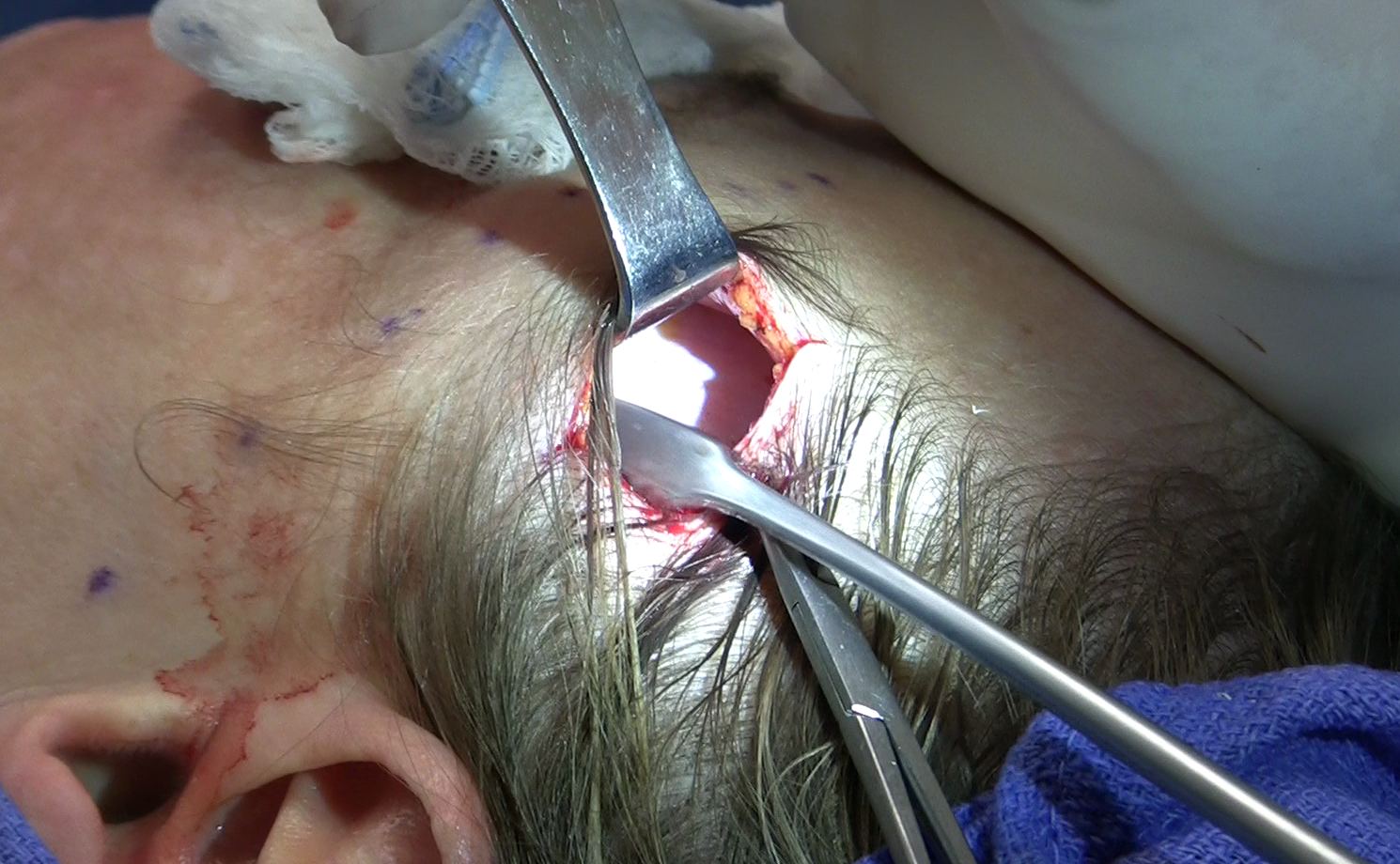
A contemporary facelift is a sophisticated surgical intervention that goes beyond mere skin excision. The procedure typically involves incisions made discreetly around the ears and hairline, allowing the surgeon to lift and reposition the skin. Crucially, modern techniques address not just the skin but also the underlying superficial musculoaponeurotic system (SMAS), a fibrous layer that supports facial structures. By manipulating the SMAS, surgeons can achieve more dramatic and natural-looking results, lifting sagging cheeks and redefining the jawline. Excess skin is then trimmed, and the remaining skin is redraped and sutured. While often performed under general anesthesia, some variations may utilize local anesthesia with sedation, as administered by anesthesiologists from groups like the American Society of Anesthesiologists.
📊 Key Facts & Numbers
Globally, facelifts represent a significant segment of the cosmetic surgery market. Facelifts consistently rank among the top surgical interventions in the United States. Full results of a facelift are typically visible after six months to a year.
👥 Key People & Organizations
Pioneering surgeons have shaped the facelift's evolution. In the mid-20th century, surgeons like Milo M. Peck and Robert M. Goldwyn made significant contributions to understanding facial anatomy and refining surgical techniques. Professional bodies such as the International Society of Aesthetic Plastic Surgery (ISAPS) play a crucial role in setting standards and disseminating knowledge among practitioners worldwide.
🌍 Cultural Impact & Influence
The facelift is deeply embedded in cultural narratives surrounding beauty, youth, and aging. It has been a recurring theme in media, from classic films depicting characters seeking eternal youth to modern reality television shows showcasing the dramatic transformations. Celebrities like Jane Fonda or Cher have openly discussed their facelift procedures, which have both destigmatized and, at times, amplified the societal pressure to maintain a youthful appearance. The prevalence of facelifts has also fueled a broader aesthetic industry, influencing trends in skincare, makeup, and non-surgical rejuvenation techniques offered by clinics like Skin Laundry and Ultherapy. The cultural ideal of a 'timeless' appearance, often exemplified by those who undergo facelifts, continues to shape perceptions of beauty and aging.
⚡ Current State & Latest Developments
The current landscape of facelifts is marked by increasing sophistication and a growing emphasis on natural-looking results. Minimally invasive techniques, such as thread lifts and advanced dermal filler injections, are gaining popularity as alternatives or adjuncts to traditional surgery, offering shorter recovery times and lower risks. However, the demand for surgical facelifts remains robust, with a focus on techniques that address not just skin laxity but also volume loss and muscle tone. Surgeons are increasingly using 3D imaging and AI-driven planning tools to customize procedures. The rise of 'lunchtime facelifts' and 'mini-facelifts' also caters to a demographic seeking quicker, less invasive rejuvenation, often performed by practitioners at clinics like Dr. Schmidt Plastics or Beverly Hills Plastics.
🤔 Controversies & Debates
Facelifts are not without their critics and controversies. A primary debate centers on the ethical implications of pursuing an often unattainable ideal of eternal youth, with some arguing it perpetuates ageism and societal pressure on women. The potential for unnatural results, such as the 'wind-tunnel' look or distorted features, remains a concern, particularly with older, less refined techniques. Furthermore, the significant cost can create a divide, making youthful appearance a privilege of the wealthy. Debates also arise regarding the efficacy and safety of less regulated practitioners and clinics, as highlighted by reports from organizations like the FDA. The long-term psychological impact on patients, including body dysmorphia and unrealistic expectations, is another area of ongoing discussion within the psychology community.
🔮 Future Outlook & Predictions
The future of facelifts is likely to be defined by further integration of technology and a move towards even less invasive, more personalized approaches. Expect advancements in regenerative medicine, potentially utilizing stem cells or advanced growth factors to stimulate natural skin repair and collagen production, reducing the need for extensive surgery. Robotic surgery may offer enhanced precision for complex procedures. Non-surgical alternatives will continue to evolve, potentially blurring the lines between surgical and non-surgical rejuvenation. The focus will increasingly shift from simply 'lifting' to a more holistic approach that addresses facial aging in its entirety, including bone structure, fat distribution, and skin quality, as explored by research institutions like the National Institutes of Health.
💡 Practical Applications
The primary application of a facelift is aesthetic: to reduce visible signs of aging such as wrinkles, sagging skin, and jowls, thereby creating a more youthful and refreshed appearance. Beyond purely cosmetic reasons, facelifts can sometimes be performed to correct facial deformities resulting from trauma or congenital conditions, though this is less common. They are often combined with other procedures like eyelid surgery, rhinoplasty, or brow lifts to achieve comprehensive facial rejuvenation. For individuals seeking to enhance their professional image or boost self-confidence, a facelift can be a powerful tool, as discussed in business and lifestyle publications like Forbes and Vogue.
Key Facts
- Category
- aesthetics
- Type
- topic